
He set the fire.
Killed 4. Bought a beer.
NYC said no to ICE.
Roman Ceron Amatitla allegedly set fire to an apartment building in Queens, New York City in March 2026. Four residents died, including a 3-year-old child. After the fire, he allegedly bought a beer. ICE issued a detainer. New York City refused it — in writing — under the city’s sanctuary executive order. On April 16, 2026, DHS published NYC’s written refusal. The policy has a paper trail. So does the body count.

Four people died. One of them was three years old.
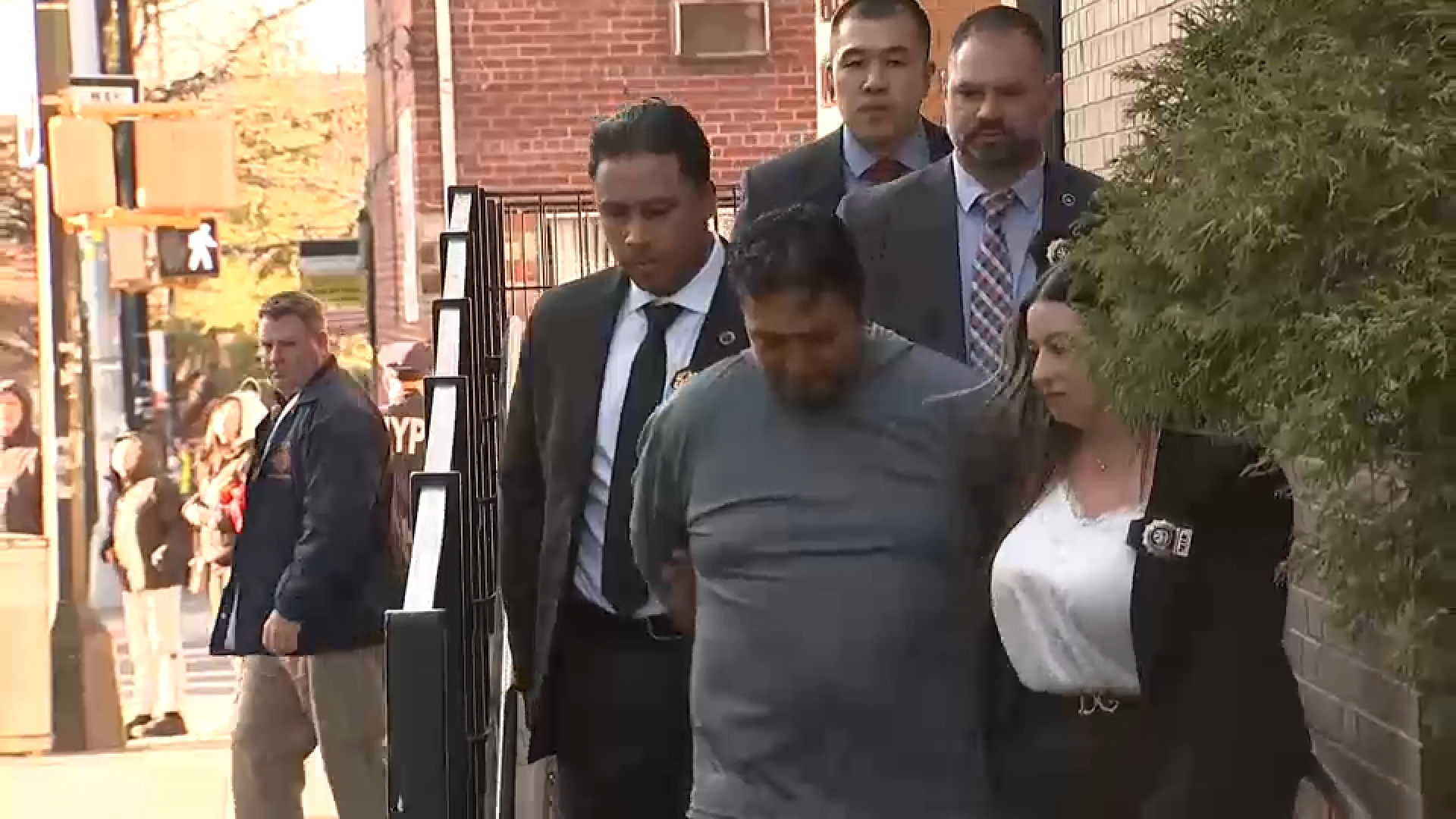
In March 2026, a fire broke out in a residential apartment building in Queens. Four residents were killed, including a 3-year-old child. Multiple others were injured. The fire required a five-alarm FDNY response. Prosecutors allege the fire was deliberately set by Roman Ceron Amatitla, an undocumented immigrant residing in New York City.
According to the criminal complaint, after allegedly setting the fire, Ceron Amatitla walked to a nearby store and bought a beer. That detail — documented in the charging papers — is one of the prosecution’s markers of consciousness of guilt. It has also become the human fact that strips away any ambiguity about the character of the alleged perpetrator that New York City’s sanctuary policy chose to shield from federal deportation enforcement.
What the cameras captured.
ICE asked. NYC said no. In writing.
When Roman Ceron Amatitla was arrested and charged with arson and murder, ICE identified him as a removable alien and issued a civil immigration detainer — a formal federal request that New York City hold him until federal immigration officers could take custody and begin removal proceedings.
New York City declined. Not verbally, not informally — but in writing, in a formal document consistent with the city’s sanctuary executive order. That written refusal is what DHS published on April 16, 2026. It is a government document. It carries a date and an official signature. It records the moment New York City chose its sanctuary policy over federal cooperation in a quadruple homicide case involving the death of a 3-year-old.
- →NYC's written formal refusal of the ICE civil detainer
- →Documentation of the arson charges and four deaths, including a 3-year-old
- →Identification of the city's sanctuary executive order as the controlling policy
- →Named as part of DHS's ongoing public accountability series on sanctuary jurisdictions
- →The refusal is dated and signed — a permanent government record
“New York City had the paperwork to hand this man to ICE. They refused in writing. Four people — including a 3-year-old — are dead. The city's sanctuary policy made that choice for them.”
DHS Public Statement — April 16, 2026 · Department of Homeland Security
From the fire to the written refusal.
The policy has a city. The city has officials. Name them.
Mayor Eric Adams (D) was in office in March 2026 when the Queens fire occurred and when the ICE detainer was issued and refused. New York City's sanctuary policy is codified in executive orders issued and maintained under his administration. The city's written refusal to honor the ICE detainer on Roman Ceron Amatitla was issued under Adams's watch and consistent with his administration's policy. Adams has publicly defended sanctuary policies throughout his tenure, even while facing his own federal corruption indictment.
District Attorney Melinda Katz (D) oversees prosecution in Queens County. Her office filed the criminal charges against Roman Ceron Amatitla for the arson and four murders. The criminal complaint her office filed documented the detail about Ceron Amatitla purchasing a beer after the fire — a detail prosecutors cited as evidence of consciousness of guilt.
Governor Kathy Hochul (D-NY) has presided over New York's sanctuary framework at the state level, which provides the legislative backdrop for New York City's local policies. Hochul has consistently opposed federal immigration enforcement measures and defended the right of New York jurisdictions to decline ICE cooperation. She has not publicly called for changes to NYC's detainer policy in the wake of this case.
The executive order is real. So is the refusal it produced.
New York City’s sanctuary protections are codified in executive orders that prohibit city agencies and employees from assisting with civil immigration enforcement unless required by law. The city declines to honor ICE civil detainers as a matter of documented standing policy.
That policy produced the written refusal that DHS published on April 16, 2026. NYC did not refuse by accident or by bureaucratic gap — it refused because its policy required it to refuse. The question of accountability is therefore not about a system that failed to catch an edge case. It is about a system that functioned exactly as designed, and produced a written record of doing so, in a case where four people — including a 3-year-old — were already dead.
- →Prohibits city agencies from honoring ICE civil immigration detainers
- →Bars city employees from sharing detainee release information with DHS/ICE
- →Prevents use of city resources for civil immigration enforcement purposes
- →Applies to NYPD, DOC, and all city-run detention facilities
- →Codified in executive orders maintained by Mayor Eric Adams (D)
- →NYC declines detainers in writing — producing a formal refusal document
Not a bureaucratic gap. A deliberate choice.
Roman Ceron Amatitla is alleged to have killed four people — including a 3-year-old child — in a fire he set in a Queens apartment building. After the fire, he reportedly bought a beer. The detail is in the criminal complaint. The ICE detainer is in the federal record. The written refusal is in the DHS release from April 16, 2026.
New York City did not miss the detainer. It did not overlook it. It declined it — formally, in writing, as policy dictates. Mayor Eric Adams (D), Queens DA Melinda Katz (D), and Governor Kathy Hochul (D) govern a system that chose sanctuary compliance over federal immigration cooperation in a quadruple murder case. That choice has a paper trail. It is not an allegation. It is a published government document.