
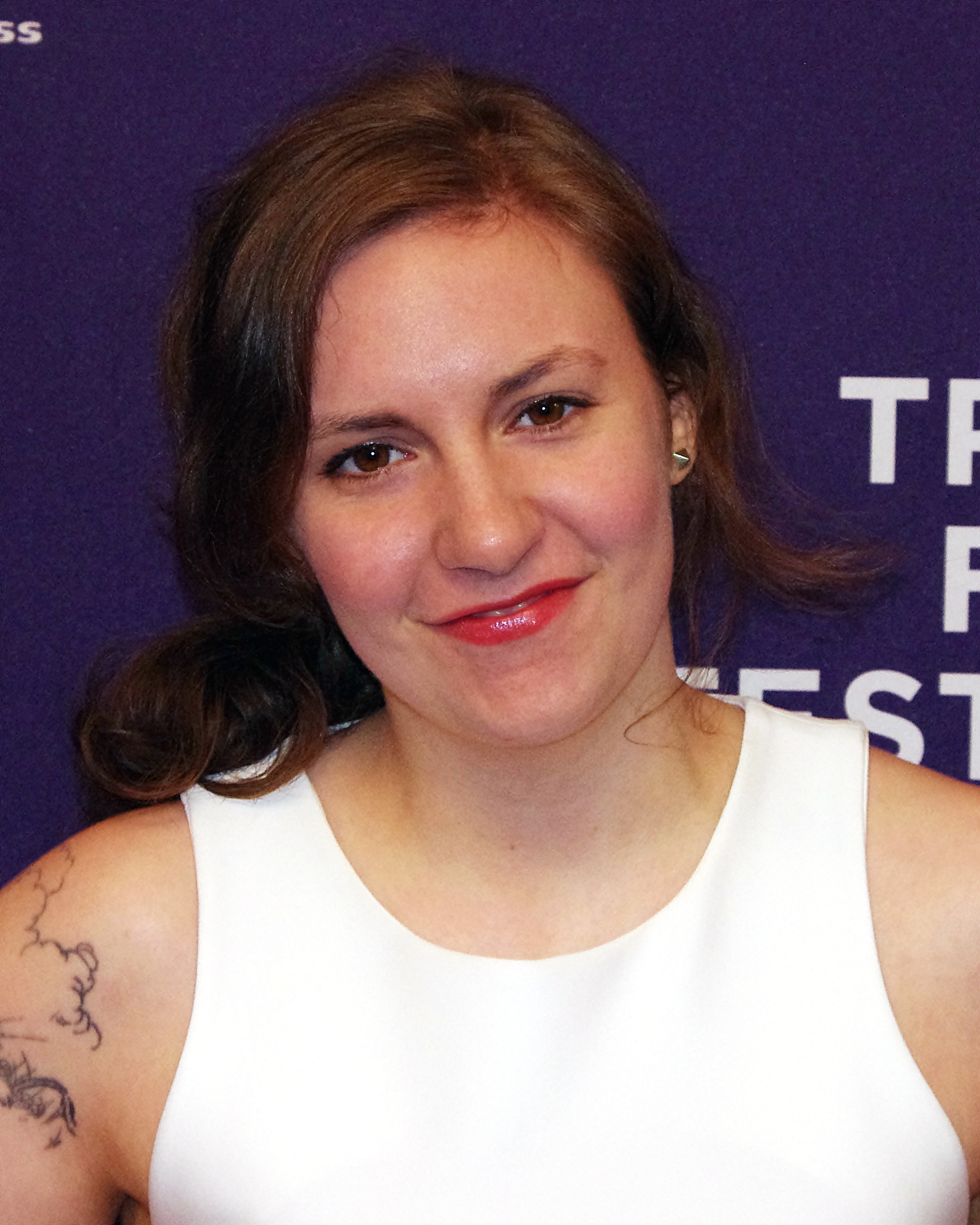
She promised Vancouver. She moved to London. For a British guy.
In April 2016, Lena Dunham stood at a podium and solemnly vowed to flee the United States if Donald Trump became president. She had a place picked out in Vancouver. She had a plan. She had conviction. Trump won. Dunham stayed — getting hives, crying, and describing the election as trauma. Her boyfriend reportedly struggled to breathe. She later moved abroad for an entirely unrelated reason. The irony is immaculate.
April 2016 — the Matrix Awards, New York City
On April 25, 2016, Lena Dunham was honored at the Matrix Awards in New York City. The event celebrates women in communications. Dunham, creator and star of HBO's Girls, used the occasion to make a solemn geopolitical announcement.
"I know a lot of people have been threatening to do this," she told the room, "but I really will. I know a lovely place in Vancouver and I can get my work done from there." The trigger: Donald Trump winning the presidency. The destination: Vancouver, British Columbia. The commitment level: publicly stated, on the record, at an awards ceremony.
She was not joking. She said she really would. She had a lovely place picked out. She was ready.
"I know a lot of people have been threatening to do this, but I really will. I know a lovely place in Vancouver and I can get my work done from there."
Lena Dunham, Matrix Awards, April 25, 2016
Open the post on X to view the full content — text, image, or video.
"A B actor with no mojo" — Trump responds
Donald Trump, characteristically, was not going to let this one pass quietly. Upon learning of Dunham's pledge, he addressed it directly — calling her a "B actor" with "no mojo" and declaring that her departure from the United States "would be a great thing for our country."
He added that he would "never" say "please don't go." The entire exchange was essentially a man saying: the door is open, the plane is waiting, godspeed. Dunham did not take him up on it.
November 8, 2016 — hives, tears, a boyfriend who couldn't breathe
Trump won. Dunham did not board a plane to Vancouver. She did, however, document her reaction in extensive detail. In interviews and published writing, she described the physical toll of election night: she cried, she developed hives on her chin, and her body, she said, simply revolted at the outcome.
Her then-boyfriend, musician Jack Antonoff, reportedly struggled to breathe. Two adults — a television actress and a Grammy-winning music producer — were, by their own account, physically incapacitated by the results of a democratic election.
Dunham later described the experience in terms typically reserved for genuine trauma. She wrote that it felt like what she imagined post-traumatic stress feels like — comparing her reaction to Trump's election to the aftermath of personal violation. She was not speaking metaphorically.
"I was sitting backstage, crying and feeling hives form on my chin. I've never felt so sad in my life — and I've felt very, very sad."
Lena Dunham, post-election interviews, November 2016
"It's easy to joke about moving to Canada" — she stays and fights
With Trump in the White House and Vancouver still waiting, Dunham pivoted. She acknowledged it was "easy to joke about moving to Canada" — though she had notably insisted multiple times that it wasn't a joke, that she really would, that she had a place picked out.
The new position was that she would stay in the United States to fight. This is the standard celebrity retreat from the Canada promise — the pivot from "I'm leaving" to "I'm staying because the fight is here." It is a logistically convenient position that requires no international relocation, no visa applications, no actually doing the thing you said you would do.
She was not the only one. Cher had promised Jupiter. Amy Schumer had promised Spain. Miley Cyrus had promised a tearful exit. They all stayed. The common thread: strong opinions, weak follow-through, and Vancouver sitting there unmolested by any of them.
She did eventually leave America. For London. For a British musician.
In 2021, Lena Dunham married British musician Luis Felber — known professionally as Attawalpa — and relocated to London. She did, in the end, leave the United States.
Not for Vancouver. Not because of Trump. Not as a political act of resistance. For a British guy she met at a party. The woman who vowed to leave America over Donald Trump ultimately left America because she fell in love with someone who lives in England. The irony is so clean it almost writes itself.
Trump, for his part, has remained entirely unaffected by all of this.
November 2016: Trump wins. Dunham stays. Reports hives and trauma.
2017–2020: Stays in America. Describes Trump's presidency as ongoing trauma. Fights. Posts.
2021: Marries British musician Luis Felber. Moves to London. Entirely unrelated to Trump.
A clinical diagnosis
Lena Dunham is a textbook case. The promise was public and unambiguous. The outcome was predictable — no celebrity has ever actually moved to Canada over an election result, because celebrity threats to relocate over election results are not sincere geopolitical positions, they are performances. She performed hers with particular commitment.
The hives, the crying, the breathing difficulties, the trauma comparisons, the comparison of an election result to personal violation — these are not normal responses to losing an election in a functioning democracy. They are the symptoms of a person whose relationship with a public figure has become something closer to obsession.
Donald Trump has never met Lena Dunham. He said she had no mojo. He said her departure would be great for the country. He was then elected president twice. He is building a border wall. He lives, apparently, entirely rent-free in her head.
Vancouver is lovely this time of year.
"I know a lot of people have been threatening to do this, but I really will."
Lena Dunham, April 2016 — she really didn't