Nvidia Paid $20 Billion for a Company It Didn’t Buy. The DOJ Wants to Know Why.
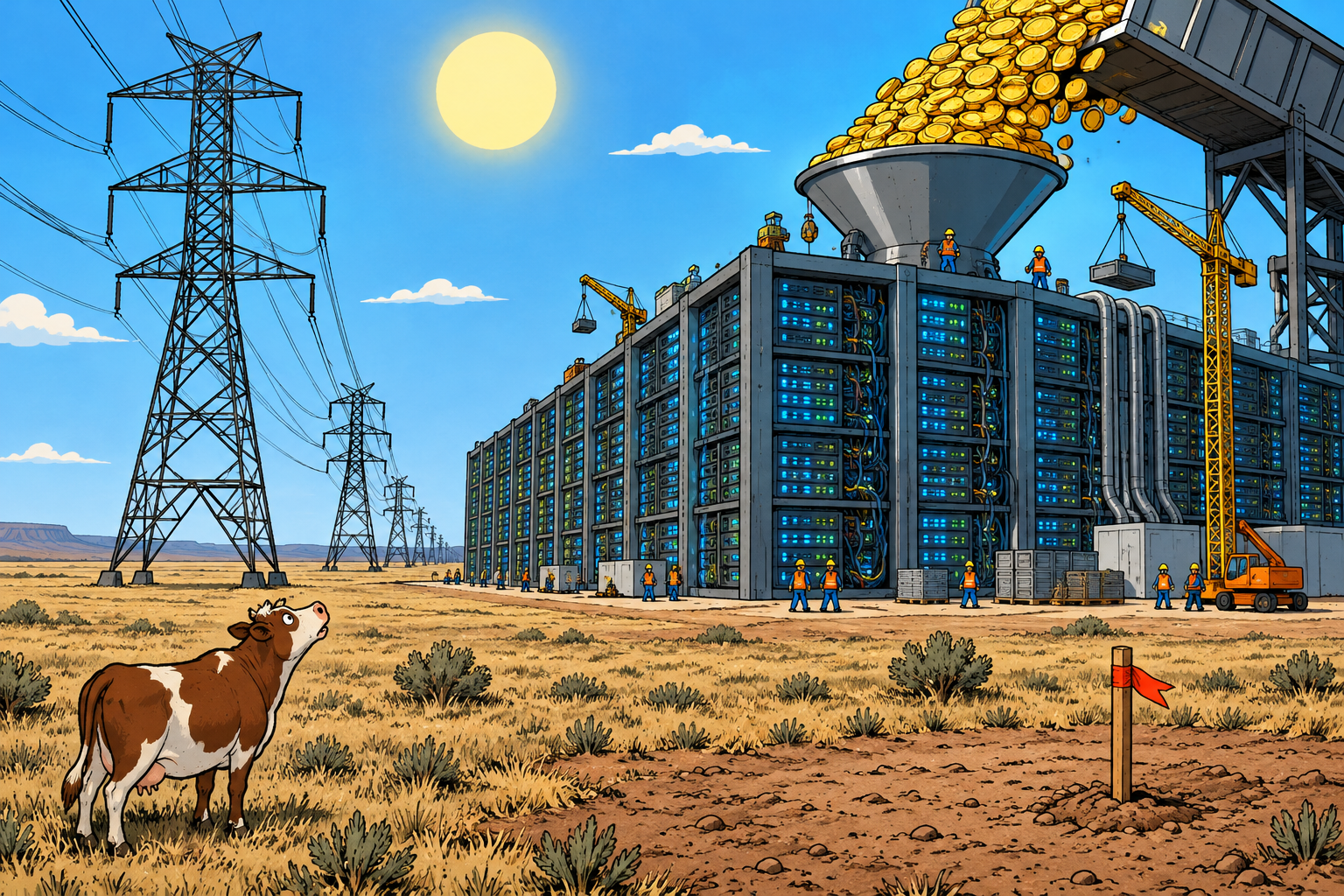
On Dec. 24, 2025, Nvidia announced its largest transaction ever: a $20,000,000,000 deal with AI-chip startup Groq. Nvidia did not buy Groq. It bought a non-exclusive license to Groq’s inference-chip technology — and hired away Groq’s founder and president. No shares changed hands. No board seat was taken.
On Sept. 9, 2026, the New York Times reported the Justice Department’s Antitrust Division has escalated its review of that deal to a formal request for information. The question DOJ is asking is not whether Nvidia broke a rule against competing unfairly. It is narrower and more specific: did Nvidia structure a takeover to look like a licensing deal, specifically to avoid the mandatory pre-merger review a real acquisition would have triggered?
Two U.S. senators asked the same question in writing three months before DOJ escalated. Nvidia says the deal is proof the American system works.
- $20,000,000,000deal valueNvidia's licensing deal with Groq, announced Dec. 24, 2025 — CNBC, Groq newsroom
- $119,500,000HSR thresholdthe mandatory pre-merger review bar the deal's structure stayed under — Warren-Blumenthal letter
- 0shares · board seatsacquired by Nvidia in Groq — the deal is a license plus two job offers, on paper
- ~90%market shareNvidia's estimated share of the AI-accelerator market — Sen. Warren & Blumenthal letter, March 2026
- $193,700,000,000FY2026 revenueNvidia's data-center segment, +68% year over year — company filings
- $12,900,000,000contrast dealNvidia's Aug. 2026 Hugging Face acquisition — a direct buy that DID trigger antitrust review
Groq makes a chip called the LPU — a Language Processing Unit built specifically for AI inference, the fast, repeated work of running an already-trained model, rather than the slower work of training one. It is one of a handful of real challengers to Nvidia’s dominance in that segment. The December deal gave Nvidia a non-exclusive license to that technology, moved founder Jonathan Ross and president Sunny Madra onto Nvidia’s payroll, and installed Simon Edwards as Groq’s new chief executive. Groq itself continues to exist, nominally independent, still able to sell its chips to Nvidia’s competitors.
The payment structure, per Axios, moved fast: roughly 85 percent of the money to Groq shareholders up front, another 10 percent by mid-2026, the remainder by year end. A CNBC analyst summed up the market’s read on announcement day — that the arrangement let Nvidia absorb a competitor’s talent and technology while keeping just enough daylight between the two companies to preserve, in the analyst’s words, “the fiction of competition.”

Nvidia’s antitrust exposure runs through the Justice Department specifically, not the Federal Trade Commission, because of a June 2024 agency-turf agreement that split AI-sector oversight: the FTC took Microsoft and OpenAI’s conduct, and DOJ took Nvidia. That assignment is why this probe belongs to DOJ’s Antitrust Division rather than the FTC’s competition bureau, and it sits inside a broader Nvidia inquiry DOJ opened in August 2024, which produced subpoenas the following month.
The Hart-Scott-Rodino Act requires companies to notify federal antitrust regulators before closing a merger or acquisition above $119,500,000 — giving DOJ or the FTC a window to object before the deal closes. Nvidia’s Groq arrangement, valued at roughly 167 times that threshold, involved no stock purchase and no merger filing. DOJ is examining whether a license-plus-hiring structure that produces the same practical outcome as an acquisition — control of the target’s core technology and leadership — should have triggered the same review a stock deal would have.
The Antitrust Division that opened this inquiry has changed leadership since. Gail Slater, the Trump-administration AAG who had the Nvidia file when the Groq probe began, was ousted on Feb. 12, 2026. Omeed Assefi is now Acting Assistant Attorney General for antitrust; neither he nor DOJ has issued a public statement characterizing the Groq escalation, and DOJ did not respond to reporters’ requests for comment ahead of publication.
Three months before DOJ’s escalation became public, Sens. Elizabeth Warren (D-MA) and Richard Blumenthal (D-CT) sent Nvidia CEO Jensen Huang a letter laying out the same theory in plain language.
“By licensing its technology and hiring its most important employees, NVIDIA has effectively acquired Groq in all but name.”
Sens. Elizabeth Warren (D-MA) & Richard Blumenthal (D-CT) · letter to Nvidia CEO Jensen Huang · March 2026
The senators’ letter leans on Nvidia’s own scale to make the foreclosure case: an AI-accelerator market share estimated between roughly 81 and 90 percent depending on methodology, and a data-center segment that generated $193,700,000,000 in Nvidia’s fiscal 2026, up 68 percent year over year. A company that dominant, the letter argues, does not need to buy a rival outright to neutralize it — it can simply absorb the people and the patents and let the shell keep operating as cover.
Groq has entered into a non-exclusive licensing agreement with Nvidia for Groq's inference technology. GroqCloud will continue to operate without interruption.
Sens. Elizabeth Warren and Richard Blumenthal are pressing Nvidia on whether its $20 billion Groq deal was structured to sidestep antitrust review — the senators say the arrangement amounts to an acquisition in all but name.
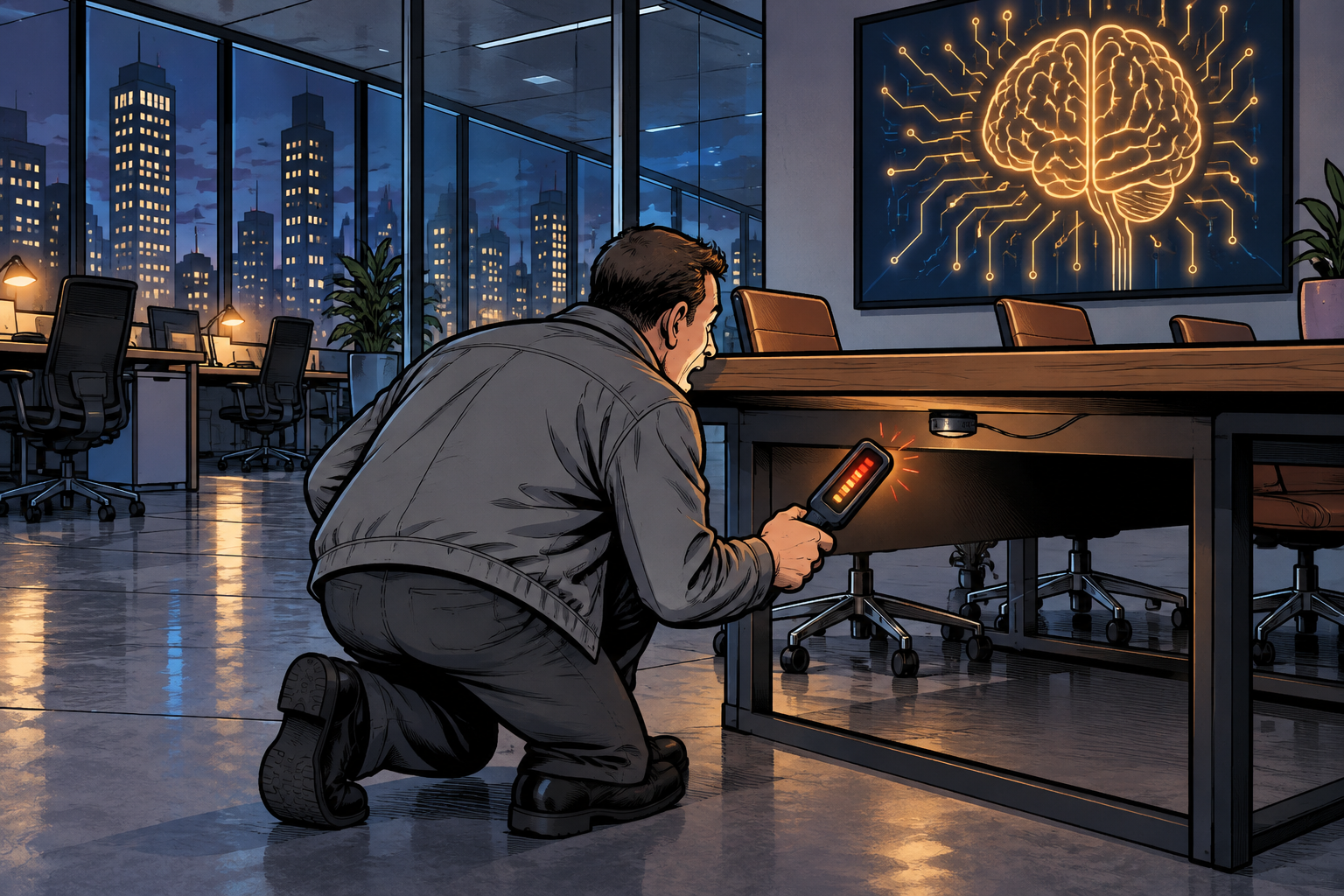
Nvidia has since made a deal that shows what the alternative looks like. In August 2026 it agreed to buy AI-model platform Hugging Face outright for $12,900,000,000 — a straightforward stock acquisition that, unlike the Groq arrangement, cannot avoid Hart-Scott-Rodino review. Analysts have noted the contrast directly: Nvidia’s Groq and Poolside deals were both licensing-and-hiring arrangements that stayed under the antitrust radar; the Hugging Face deal is a conventional purchase that has to clear it. Nvidia disputes that the pattern reflects any intent to evade scrutiny.
“The Groq story is a prime example of the American system working as designed to promote innovation, reward entrepreneurs, and benefit consumers.”
Nvidia spokesperson · statement to reporters · September 2026
Nothing about DOJ’s current posture forces a resolution soon. A formal request for information is not a civil investigative demand, and neither is a filed complaint; it is the stage at which a company is asked to produce documents while regulators decide whether there is a case at all. Nvidia’s stock dipped roughly 1 to 2 percent on the news, a modest move for a company still trading near its 52-week high. The larger fact is procedural, not financial: the agency that blessed the AI boom’s biggest supplier is now the same agency deciding whether that supplier’s newest deal was designed to stay one step ahead of the law written to catch exactly this kind of transaction.