Bessent Now Calls It the “Greatest Economic Isolation Operation in the History of the World.” A Month Ago, His Line Was a Deal “Today or Tomorrow.”
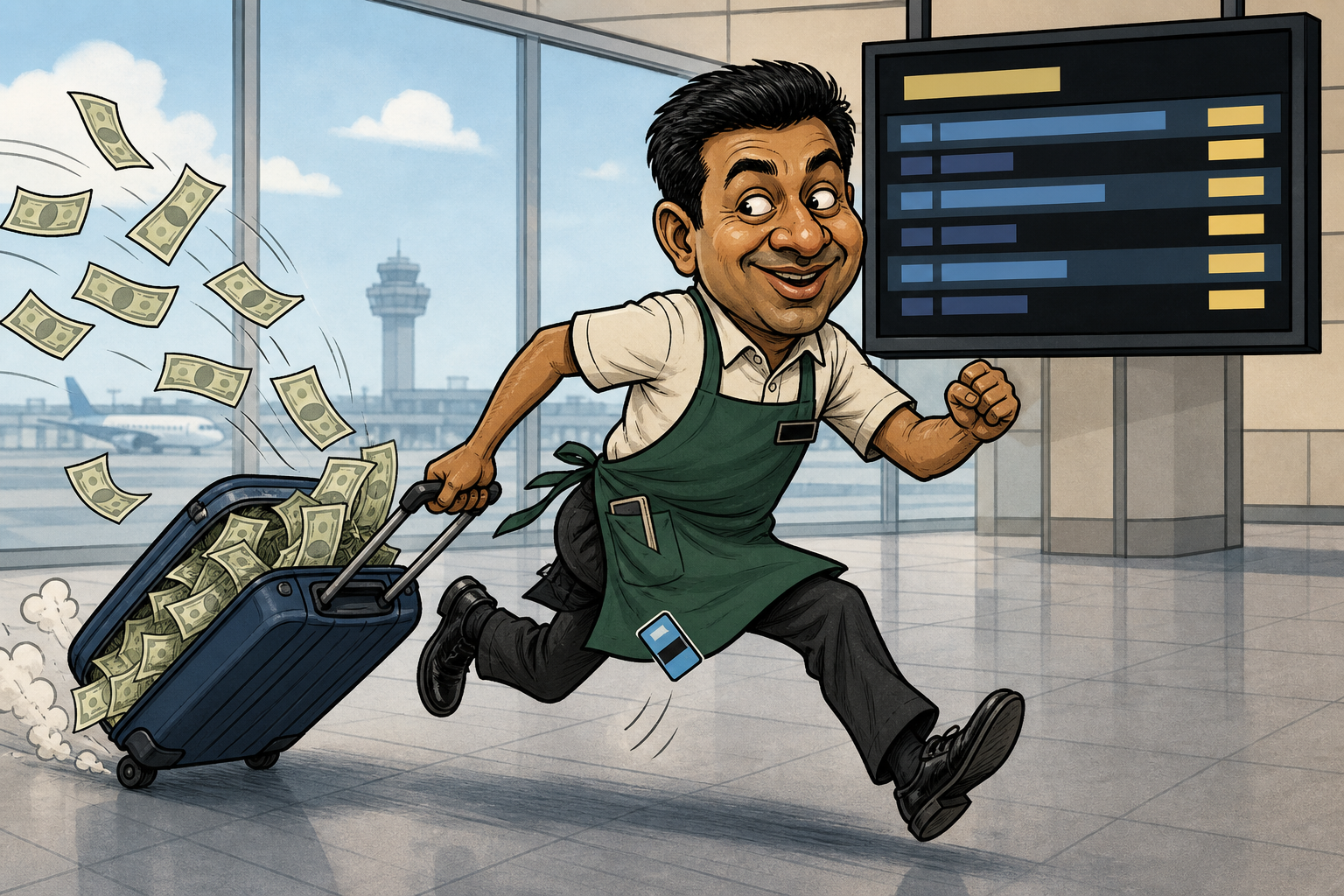
On August 4, 2026, Treasury Secretary Scott Bessent (R) told CNBC’s “Squawk Box” the United States could have a deal with Iran to reopen the Strait of Hormuz “today or tomorrow.” The Dow closed above 54,000 that afternoon on the strength of it. One month later, on Fox News’s “My View With Lara Trump,” the same Treasury Secretary described something else entirely: “We are running Operation Economic Outcast right now, and this is the greatest economic isolation operation in the history of the world.”
The deal never materialized. The 60-day deadline set by the June 17 Islamabad Memorandum expired August 17 with Washington and Tehran deadlocked over Strait management and Iran’s frozen funds. By August 24, Bessent had a name for what replaced it: Operation Economic Outcast, unveiled at a Treasury press conference reporters quickly nicknamed “Economic D-Day.”
By September 5 and 6, Bessent was using a new verb — asphyxiate — and a separate Cabinet member was using a third, on a different network, the same weekend. Energy Secretary Chris Wright (R), on CNN’s “State of the Union” with Dana Bash, said: “We are strangling their economy to try to bring either a change in policy from the existing regime or a new regime.” Several headlines have since paired “strangling” with Bessent’s name. The quote is Wright’s.
- Aug. 17, 2026 the 60-day deadline set by the June 17 Islamabad Memorandum expired with the U.S. and Iran deadlocked over Strait management and frozen funds — Breitbart
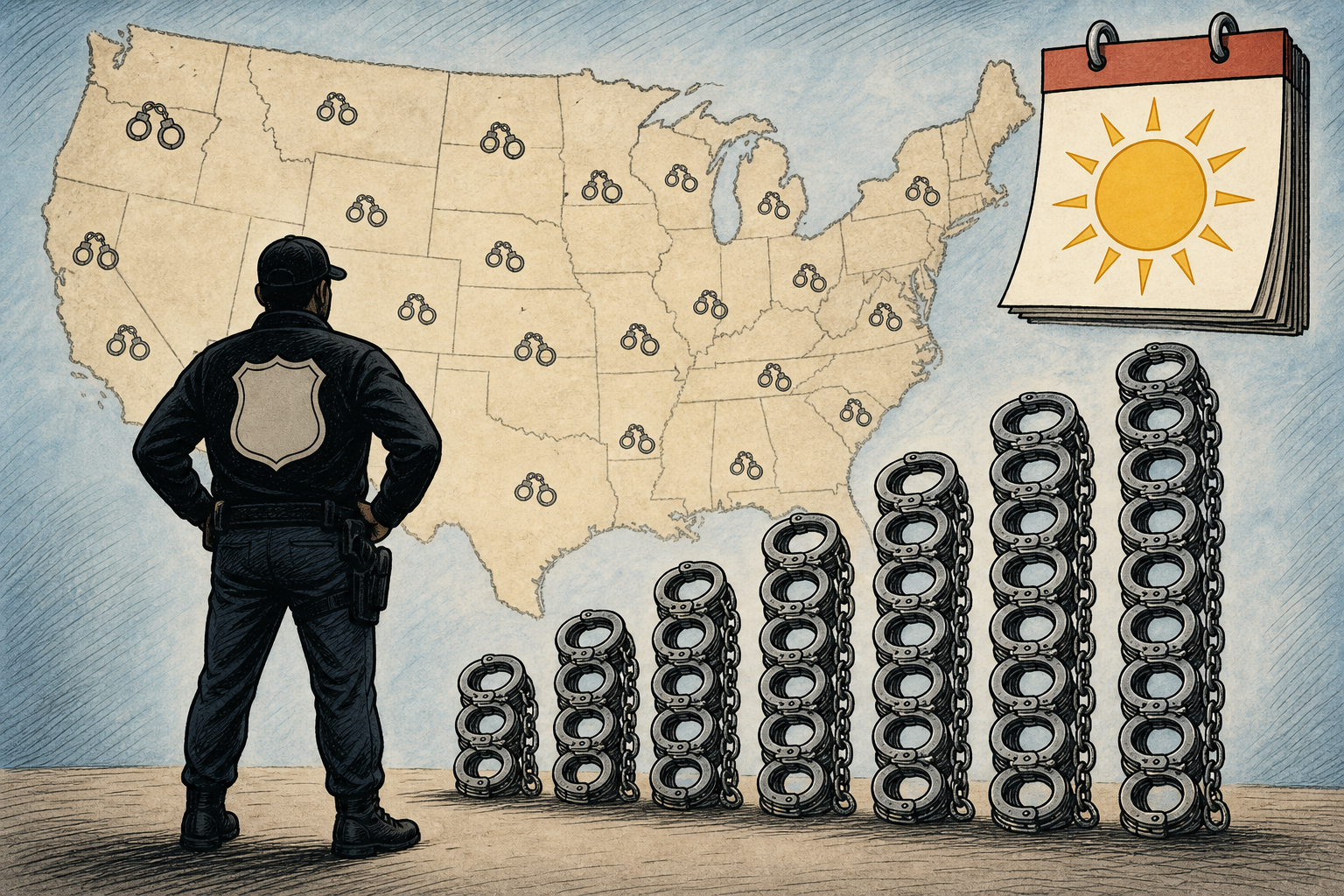
- 78 designations sanctions actions in Bessent's Aug. 24 "Operation Economic Outcast" rollout, opening five new sectors — aviation, digital assets, gold, shipping, technology — across 60+ entities, individuals and vessels — U.S. Treasury
- 60%+ the Iranian rial's decline against the dollar since March 2026 — Fox Business
- 9.1% Iran's Q2 2026 unemployment rate, up from 7.6% in Q1 2026 — Fox Business
- 7 weeks the span, as of Sept. 4, 2026, during which not a single crude cargo reached China through the Strait — Breitbart
Civic Intelligence covered the August 4 rally in detail at the time: a 907-point Dow session built substantially on nine words from a Treasury Secretary about a negotiation Iran’s own Foreign Ministry was publicly denying was taking place directly. That framework — the June 17 Islamabad Memorandum, negotiated between President Trump and Iranian President Masoud Pezeshkian — carried a 60-day clock. It ran out.
August 17 came and went with no signed agreement. The two sides remained apart on how the Strait would be managed and on the disposition of billions of dollars in Iranian funds frozen under existing sanctions. Within days, the administration’s public posture shifted from negotiation to pressure. President Trump, in a Truth Social post reported by multiple outlets at the time, said the United States would pursue “Economic Warfare and Isolation on an unprecedented scale,” and Bessent told reporters the goal now was to “collapse” Iran’s economy outright.
On August 24, Bessent formally launched Operation Economic Outcast at a Treasury press conference. The rollout opened five sectors that had not previously carried secondary-sanctions exposure — aviation, digital assets, gold, shipping and technology — to penalties against any foreign entity doing business with them on Iran’s behalf. Treasury issued roughly 78 designations that day across more than 60 entities, individuals and vessels, and separately sanctioned branches of Bank Melli, one of Iran’s largest state-owned banks.
Treasury’s own press release left little room for a middle path. “An economic engagement of any kind with this murderous regime will expose those responsible to the full reach of American power,” Bessent said in the department’s formal statement — language aimed as much at banks and shippers in third countries as at Tehran itself.
.@SecScottBessent: 'The new sectoral sanctions determinations issued today target five of Iran's most vital lifelines that it exploits in other countries: digital assets, technology, gold, aviation, and shipping.'
On September 1, Bessent took the campaign to the G20 finance ministers’ meeting in Asheville, North Carolina, pressing allied governments to back the sanctions push. He described Iran’s economy as in “economic death throes” and told the gathering the U.S. objective was to “economically asphyxiate” the country — not a private aside, but a stated ask of America’s largest trading partners.
Treasury Secretary Scott Bessent pushed allies at the G-20 meeting of finance ministers to support the United States' efforts to 'economically asphyxiate' Iran's economy.
Four days later, on Fox News, Bessent made the campaign’s ambition explicit in the plainest terms he has used yet.
“We are running Operation Economic Outcast right now, and this is the greatest economic isolation operation in the history of the world. We are going to asphyxiate this regime.”
Treasury Secretary Scott Bessent (R) · Fox News, 'My View With Lara Trump' · Sept. 5–6, 2026

Bessent was not the only Cabinet official making the rounds that weekend, and the two officials’ words have gotten blurred together in coverage. Energy Secretary Chris Wright (R) appeared separately on CNN’s “State of the Union” with Dana Bash and said the administration was “strangling” Iran’s economy “to try to bring either a change in policy from the existing regime or a new regime” — a more explicit regime-change framing than Bessent used on Fox the same weekend. Some headline treatments have attached “strangling” to Bessent’s name; the record shows it as Wright’s word, on a different network, in a separate interview.
The enforcement side kept moving in parallel. On September 4, OFAC sanctioned Golden Global Bank, a Turkish lender, and issued Iran General License CC, a new carve-out governing how sanctioned Iranian assets can and cannot move through the international system. Secretary of State Marco Rubio (R) coordinated a parallel State Department release the same day. Military messaging reinforced the economic track: Breitbart reported comments from CENTCOM Commander Admiral Brad Cooper and CENTCOM spokesman Captain Tim Hawkins underscoring the Navy’s role in keeping the Strait closed to Iranian export traffic.
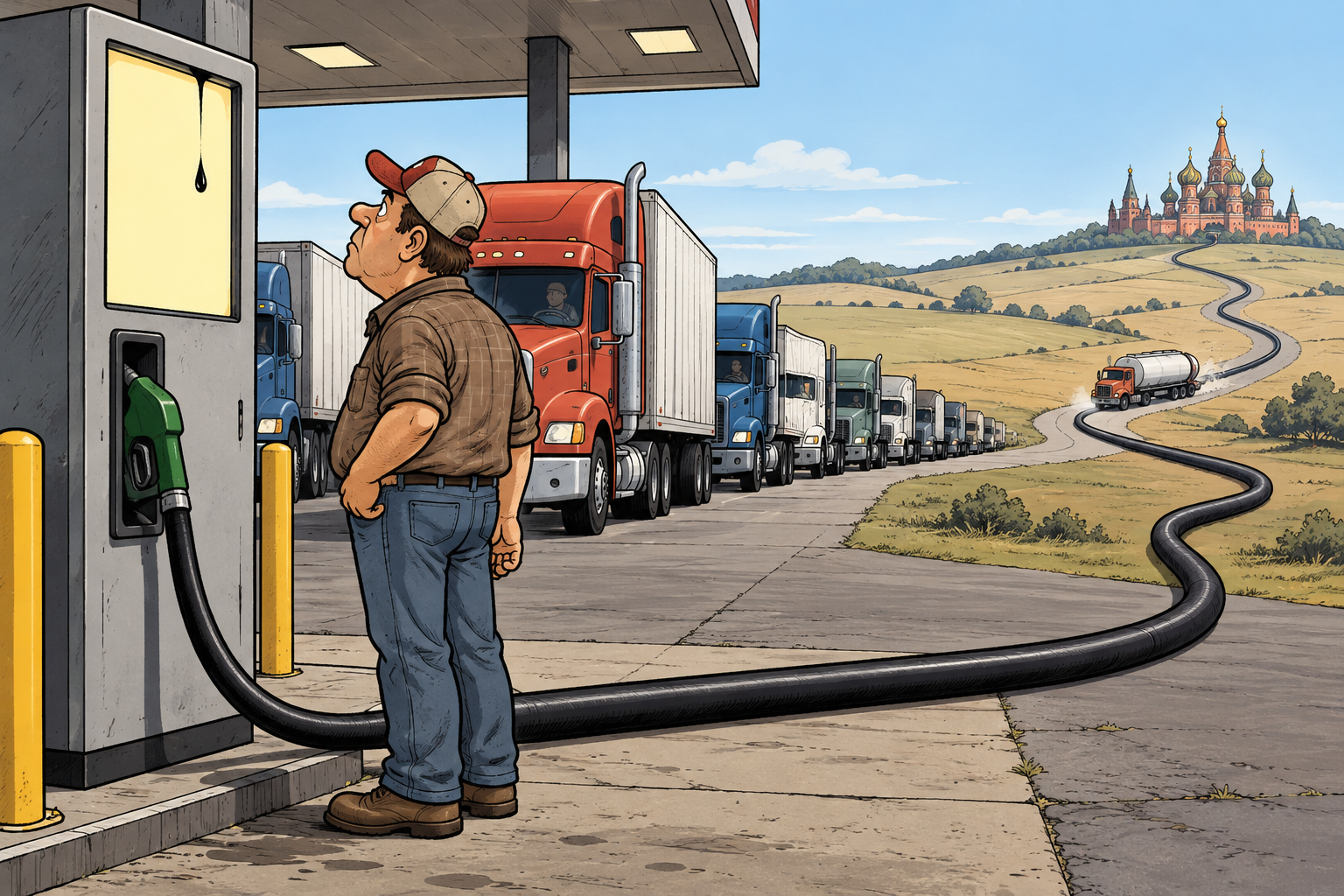
The numbers on the water track the rhetoric. Bessent said on “My View” that Iran had roughly 30 million barrels of crude left that China hadn’t already purchased. Independent tanker-tracking lines up with that squeeze: Samir Madani, co-founder of TankerTrackers.com, counted 29 tankers holding an estimated 36.1 million barrels stuck inside the Strait, with another 27 sanctioned tankers sitting idle off Sri Lanka. As of September 4, Breitbart reported, Iran had gone roughly seven weeks without a single crude cargo reaching China — its largest remaining buyer — through the waterway.
Scott Bessent (R) — Treasury Secretary; named and launched Operation Economic Outcast.
Chris Wright (R) — Energy Secretary; said the U.S. is “strangling” Iran’s economy, on CNN.
Donald Trump (R) — President; directing the isolation campaign publicly on Truth Social.
Marco Rubio (R) — Secretary of State; coordinated a parallel Sept. 4 State Department release.
Admiral Brad Cooper — CENTCOM Commander.
Captain Tim Hawkins — CENTCOM spokesman.
Iran has not treated the campaign as background noise. Foreign Ministry spokesperson Esmail Baghaei called the sanctions “economic terrorism.” Foreign Minister Abbas Araghchi rejected the “Economic D-Day” framing itself in similarly harsh language. Economy Minister Ali Madanizadeh, quoted via the semi-official, Iran state-linked Fars News Agency — not an independent outlet, and read accordingly — said simply: “You will fail this time too.”
Iran's economy is COMPLETELY COLLAPSING.
Paraphrased commentary · not a verbatim post
Trump has repeatedly described Iran's economy as collapsing under the sanctions campaign, in Truth Social posts throughout August 2026; this line is reconstructed from multiple outlets' paraphrase and partial-quote coverage, not verified against a single post ID.
A month is a short distance between “a deal today or tomorrow” and “the greatest economic isolation operation in the history of the world.” The Islamabad Memorandum’s 60-day clock ran out, and the administration replaced negotiation with 78 designations, a sanctioned Turkish bank, a seven-week export drought, and two Cabinet secretaries using the language of siege — asphyxiate from one, strangling from the other. Tehran calls it terrorism. Washington calls it working.