Biden’s Chip Export Controls Were Supposed to Cripple Huawei. Instead, They Helped Build It a Monopoly.
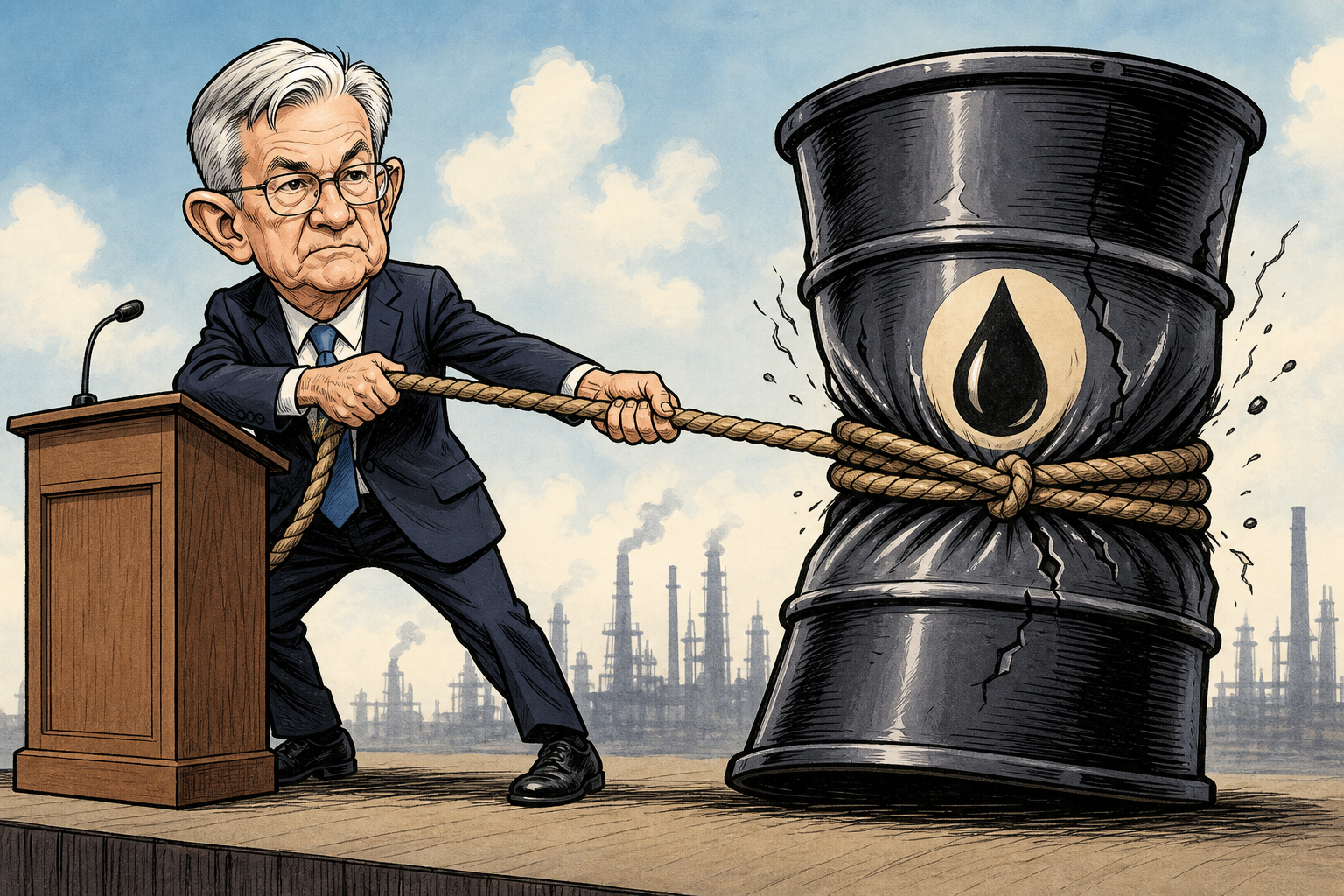
Starting in October 2022, the Biden administration’s Commerce Department imposed the most sweeping semiconductor export controls in a generation — an effort led by then-Secretary Gina Raimondo to cut China’s Huawei Technologies off from advanced chips and the equipment used to make them. The rules built on 2019 Entity List restrictions and tightened further in 2023, then again in a major December 2, 2024 rule that added 140 more entities to the list.
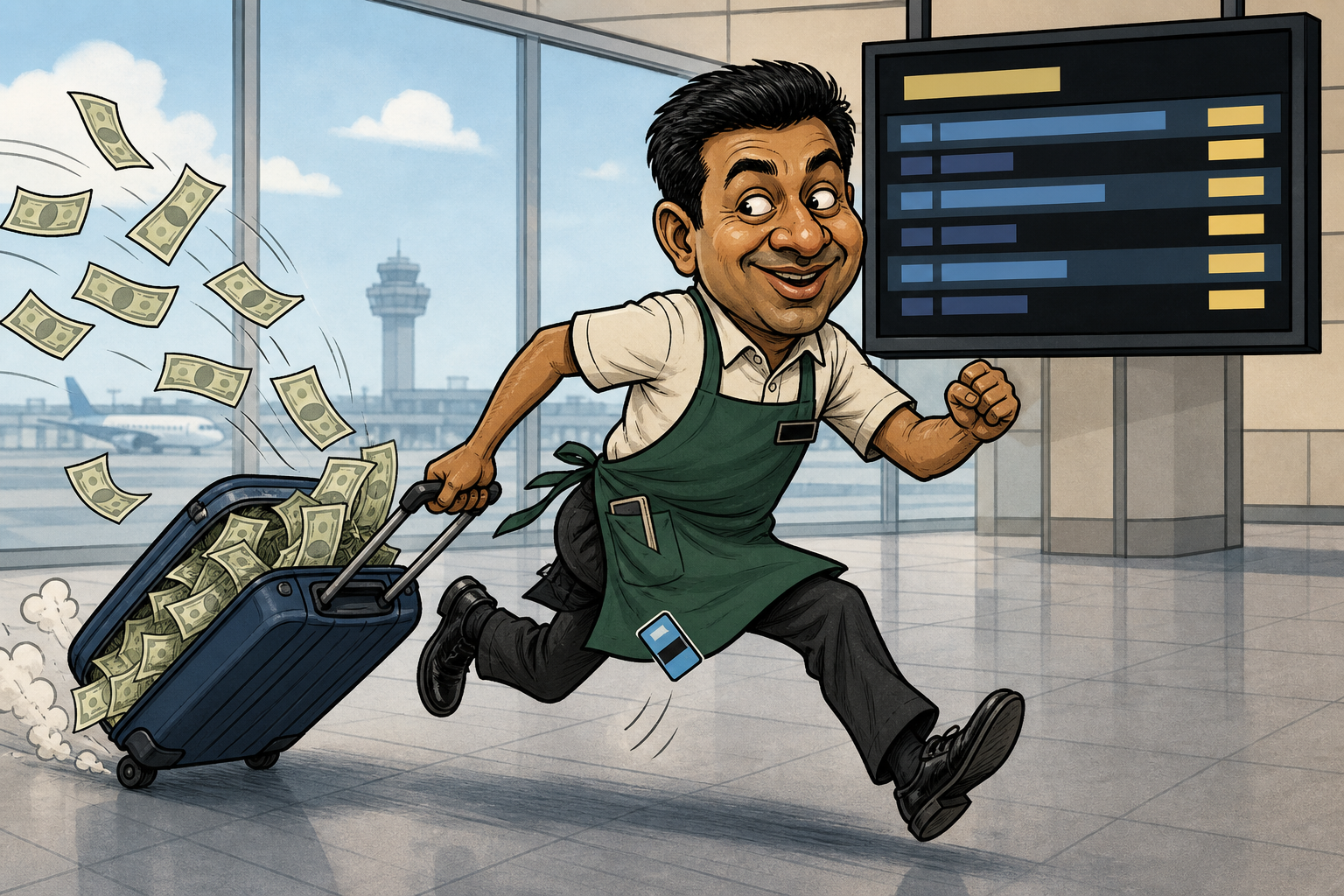
Four years in, Huawei’s chip business is thriving. Its 2026 chip revenue is projected at roughly $12 billion — up about 60% from $7.5 billion in 2025 — with Alibaba, ByteDance, and Tencent all placing large orders. Huawei’s share of China’s domestic AI-chip market, combined with smaller rival Cambricon, rose from 46% in 2025 to 56% in 2026.
Beijing helped. The Chinese government has directly subsidized Huawei with more than $1 billion in grants between 2021 and 2025. And an October 2025 think-tank report puts a number on the other side of the ledger: roughly $33 billion in lost U.S. chip sales from 2021 to 2024.
- $12B — Huawei's projected 2026 chip revenue, up roughly 60% from $7.5B in 2025 — Tom's Hardware
- 56% — combined Huawei + Cambricon share of China's domestic AI-chip market in 2026, up from 46% in 2025
- 2.9M — advanced chip dies TSMC unknowingly manufactured and diverted to Huawei via shell buyer Sophgo
- $33B — estimated U.S. chip-sales losses (2021-2024) attributed to the export-control regime, per ITIF's "Backfire" report
The campaign against Huawei predates Biden: the Commerce Department first placed the company on the Entity List in 2019, cutting it off from U.S.-origin chip technology. Raimondo’s Commerce Department escalated dramatically in October 2022, restricting not just direct chip sales but the chipmaking tools, software, and design services Huawei and Chinese foundries needed to build advanced chips themselves. The rules tightened again in 2023, after Huawei’s Mate 60 Pro smartphone shipped with a 7-nanometer-class chip that, on paper, should not have existed under the export regime.
The most aggressive version came on December 2, 2024, weeks before Biden left office. The Bureau of Industry and Security added 140 more companies to the Entity List, imposed new controls on the high-bandwidth memory chips critical to AI accelerators, and expanded the Foreign Direct Product Rule so that even chips made overseas with U.S. tools and software fell under the restrictions. The Government Accountability Office had already flagged implementation and enforcement gaps in the regime months earlier.

The controls had a hole large enough to drive a chip fab through. Reporting that surfaced publicly in October 2024 documented a diversion scheme: Taiwan’s TSMC — the world’s dominant advanced-chip foundry — unknowingly manufactured roughly 2.9 million advanced chip dies that were funneled to Huawei through a shell-company buyer, Sophgo. TSMC says it did not know the chips’ true destination.
Rep. John Moolenaar (R-MI), who chairs the House Select Committee on the Chinese Communist Party, called the scheme “a catastrophic failure of US export control policy.” He later wrote directly to Commerce Secretary Howard Lutnick that “Huawei’s only path to meeting China’s internal demand has been to illegally procure chips from Taiwan.” Taiwan’s government subsequently banned exports to Huawei and its domestic foundry partner SMIC outright.
Huawei did not rely only on smuggled chips. Its domestic foundry partner, SMIC, kept advancing its own manufacturing — first demonstrated publicly in the August 2023 Mate 60 Pro, which reduced Huawei’s dependence on foreign-made chips entirely. An October 2025 SemiAnalysis report, titled “Fab Whack-A-Mole,” documented a network of non-entity-listed shell fabs helping route Huawei’s supply chain around the restrictions. Huawei spent $7.3 billion on wafer-fab equipment in 2024 — up 27% year over year.
None of this happened by accident. Beijing has directly subsidized Huawei with more than $1 billion in state grants between 2021 and 2025, underwriting the company’s push into AI chips even as U.S. controls tried to choke off its access to foreign technology. The payoff: Tom’s Hardware reports Huawei now expects $12 billion in AI-chip revenue this year — arriving at the same moment Nvidia’s market share inside China has fallen to zero, a direct consequence of the same export-control regime that was supposed to hurt Huawei instead.
An October 2025 report from the Information Technology and Innovation Foundation, titled “Backfire,” makes the case bluntly: the export controls helped Huawei and hurt U.S. chip firms, estimating roughly $33 billion in lost U.S. sales from 2021 to 2024 — the flip side of the same ledger Huawei’s comeback is written on. With Alibaba, ByteDance, and Tencent all placing large domestic orders rather than risk relying on chips they could lose access to overnight, Huawei has effectively been handed the customer base American controls were designed to protect.

Gina Raimondo, Commerce Secretary under President Biden from 2021 to 2025 and the official who designed and implemented the export-control regime, never settled on one story about whether it was working. In October 2023, after Huawei’s Mate 60 Pro shipped with a chip that should not have existed under her own rules, she told the Senate Commerce Committee the breakthrough was “incredibly disturbing” and that “we need different tools.”
“What it tells me is the export controls are working because that chip is not nearly as good... it's years behind what we have in the United States.”
Gina Raimondo · Biden's Commerce Secretary · Bloomberg, April 2024
Six months after calling the same breakthrough “incredibly disturbing,” Raimondo told Bloomberg the export controls were, in fact, working — because the Huawei/SMIC chip was “years behind” U.S. technology. Both statements were made by the same official about the same underlying fact pattern. What has since happened to Huawei’s revenue and market share suggests neither read of the situation gave policymakers a stable basis for what came next.
Gina Raimondo — Commerce Secretary under President Biden (D), 2021-2025. Designed and implemented the October 2022, 2023, and December 2024 export-control rules; publicly contradicted her own read of whether they were working.
Rep. John Moolenaar (R-MI) — chairs the House Select Committee on the Chinese Communist Party; called the TSMC-Huawei diversion scheme “a catastrophic failure of US export control policy” and pressed Commerce for answers.
Howard Lutnick — Commerce Secretary under President Trump, current officeholder; has defended continued export controls while also approving the December 2025 Nvidia H200 policy reversal described below.
The Trump administration inherited the results of that record — and changed course. In December 2025, Commerce Secretary Howard Lutnick, per a Trump directive, approved a policy reversal allowing Nvidia to sell its H200 chips to China, under an arrangement in which the U.S. government takes a 25% cut of the sales.
Trump put the blame for the prior approach on the record himself.
The Biden Administration forced our Great Companies to spend BILLIONS OF DOLLARS building 'degraded' products that nobody wanted, a terrible idea that slowed Innovation, and hurt the American Worker. That Era is OVER!
Trade-press coverage picked up the post immediately as a signal of the administration’s new direction.
Trump on Truth Social blaming Biden-era export controls for forcing U.S. chipmakers to build 'degraded' products nobody wanted — the clearest public signal yet of the H200-to-China reversal underway at Commerce.
The competitive logic behind the reversal was laid out plainly by Nvidia’s own CEO. Even as Nvidia’s China market share fell to zero under the old rules, Huawei kept growing into the vacuum — and Jensen Huang has said so publicly.
“Huawei is the single most formidable technology company in China. They've conquered every market they've engaged in.”
Jensen Huang · CEO, Nvidia
Nvidia CEO Jensen Huang on Huawei: 'the single most formidable technology company in China' that has 'conquered every market they've engaged in' — a blunt admission of how much ground the export-control years ceded.
None of this is related to a separate, pending criminal matter: in March 2026, the Justice Department arrested Super Micro co-founder Wally Liaw in an alleged $2.5 billion chip-smuggling case involving roughly $510 million in banned-chip servers said to have been routed to China via Thailand-based shell buyers. That is a distinct indictment with its own defendants, and Liaw and his co-defendants are presumed innocent unless proven otherwise in court — it is not part of the policy record examined here.
Biden’s Commerce Department, under Gina Raimondo, spent two years tightening export controls meant to cripple Huawei’s chip business. Huawei diverted around 2.9 million chips through a Taiwan shell-company scheme, built out its own foundry capacity, and is on pace for roughly $12 billion in 2026 chip revenue — while a think tank estimates the controls cost American chipmakers $33 billion in lost sales. The Trump administration is now reversing parts of the policy, with Commerce Secretary Howard Lutnick approving Nvidia H200 sales to China under a government revenue-cut arrangement Trump says corrects Biden-era mistakes.