Trump Closes the Birth-Tourism Loophole After the Supreme Court Blocked His Bigger Swing
- 2 executive orders President Trump signed August 6, 2026, targeting birth tourism and narrowing citizenship recognition — White House Fact Sheet, Aug. 6, 2026
- 600+ birth-tourism cases detailed in the State Department's enforcement sweep, with 100+ visas revoked tied to a West Africa network alone — State Department, June 10, 2026
- 22,000 estimated annual birth tourists to the U.S., against more than 3.5 million total U.S. births each year — Migration Policy Institute, Apr. 2026
- 6-3 Supreme Court vote in Trump v. Barbara striking down Trump's broader January 2025 birthright-citizenship order five weeks before these narrower orders — Supreme Court of the United States, June 30, 2026
President Donald Trump (R) signed two executive orders on August 6, 2026, aimed at what the White House calls the birth-tourism loophole. The first, “Ending Birth Tourism,” hands Secretary of State Marco Rubio (R admin) and DHS Secretary Markwayne Mullin (R admin) explicit authority to deny visas, revoke travel authorization, and bar entry to foreign nationals whose primary purpose for traveling to the United States is giving birth on American soil to secure citizenship for the child. The second, “Continuing to Protect the Meaning and Value of American Citizenship,” narrows who is recognized as a citizen at birth — carving out children of foreign diplomatic staff, members of U.S.-designated terrorist organizations, and people who obtained citizenship through documented fraud.
The orders arrive five weeks after the Supreme Court handed Trump a defeat on the same general subject. On June 30, 2026, the Court ruled 6-3 in Trump v. Barbara that his broader January 2025 order attempting to reinterpret the 14th Amendment itself was unconstitutional. The August 6 orders are built differently: rather than reopening the constitutional question the Court just settled, they lean on visa-issuance authority Congress has already given the executive branch.
White House Deputy Chief of Staff for Policy Stephen Miller (R admin) made the administration’s case publicly the same day. Trump was more direct about his own motive. “We’re making adjustments because it’s very unfair,” he said.
The Ending Birth Tourism order does not attempt to redefine who counts as a citizen. It works one step earlier, at the visa window. A consular officer assessing a B-visa application — or reviewing one already issued — can now deny entry or revoke travel authorization on a determination that a traveler’s primary purpose is giving birth in the United States to obtain citizenship for the child. The order includes a humanitarian and national-interest waiver for cases the administration determines merit an exception.
The companion order, Continuing to Protect the Meaning and Value of American Citizenship, works on the recognition side. It directs agencies not to automatically treat as a U.S. citizen a child born to a parent who is a foreign diplomatic staff member, a member of a U.S.-designated foreign terrorist organization, or someone found to have engaged in fraudulent activity to obtain citizenship. Miller said it was issued “for the first time ever in American history to ban birth tourism.” Trump put his own reasoning more bluntly. “They’re building businesses around birthright citizenship,” he said. “That’s not the way it was supposed to work. It’s a disgrace.”

The timing is not incidental. On June 30, 2026, the Supreme Court ruled 6-3 in Trump v. Barbara — Chief Justice John Roberts writing for the majority — that Trump’s broader January 2025 executive order, EO 14160, was unconstitutional. That order had attempted to deny citizenship outright to children born on U.S. soil to undocumented or temporary-status parents. The Court rejected that reading and reaffirmed birthright citizenship as it has stood since the Supreme Court’s 1898 ruling in United States v. Wong Kim Ark.
The August 6 orders are a narrower instrument built on different legal ground. Rather than reinterpreting the 14th Amendment, they rely on the executive branch’s long-established authority over visa issuance — the same authority any administration uses to deny a tourist visa. Denying entry to someone whose stated purpose does not match their real purpose is, in the administration’s framing, ordinary visa-fraud enforcement rather than a constitutional reinterpretation.
“Birth tourism is, by definition, a fraud on the American system, the American taxpayer, the American visa.”
Stephen Miller, White House Deputy Chief of Staff for Policy, Aug. 6, 2026
The push follows a State Department enforcement sweep announced June 10, 2026, weeks before the Supreme Court ruling. The department detailed more than 600 birth-tourism cases and said it had revoked more than 100 visas tied to a network operating out of West Africa, with 100 more revocations tied to a separate North Africa network. It also flagged roughly 400 suspected cases dating to 2024 tied to at least six commercial “coaching” operators in Europe — businesses that market U.S. birth tourism as a packaged service.
How big is the underlying problem? Estimates vary by methodology and vintage. The Center for Immigration Studies has put the figure at 20,000 to 26,000 birth tourists a year, an older estimate. The Migration Policy Institute’s more recent census-based estimate, published in April 2026, lands close to 22,000 a year. Government data shows fewer than 10,000 births in 2024 to mothers who listed a foreign address. Any of those numbers is a small fraction of the more than 3.5 million births recorded in the United States annually — a fact worth holding alongside the scale of the executive action aimed at it.
No administration, Republican or Democratic, has closed birth tourism through statute; the practice has rested on interpretation of the 14th Amendment since Wong Kim Ark in 1898. The legal hook for the new order dates to Trump’s first term: a 2020 State Department rule letting visa officers deny a B-visa if they have “reason to believe” a traveler’s primary purpose is giving birth in the U.S. That rule created the discretionary authority; the August 6 order converts it into explicit presidential direction. The Biden administration, in office from 2021 to 2025, did not run a comparable enforcement push against birth tourism — an enforcement gap that persisted through the full term even with the 2020 rule still on the books.
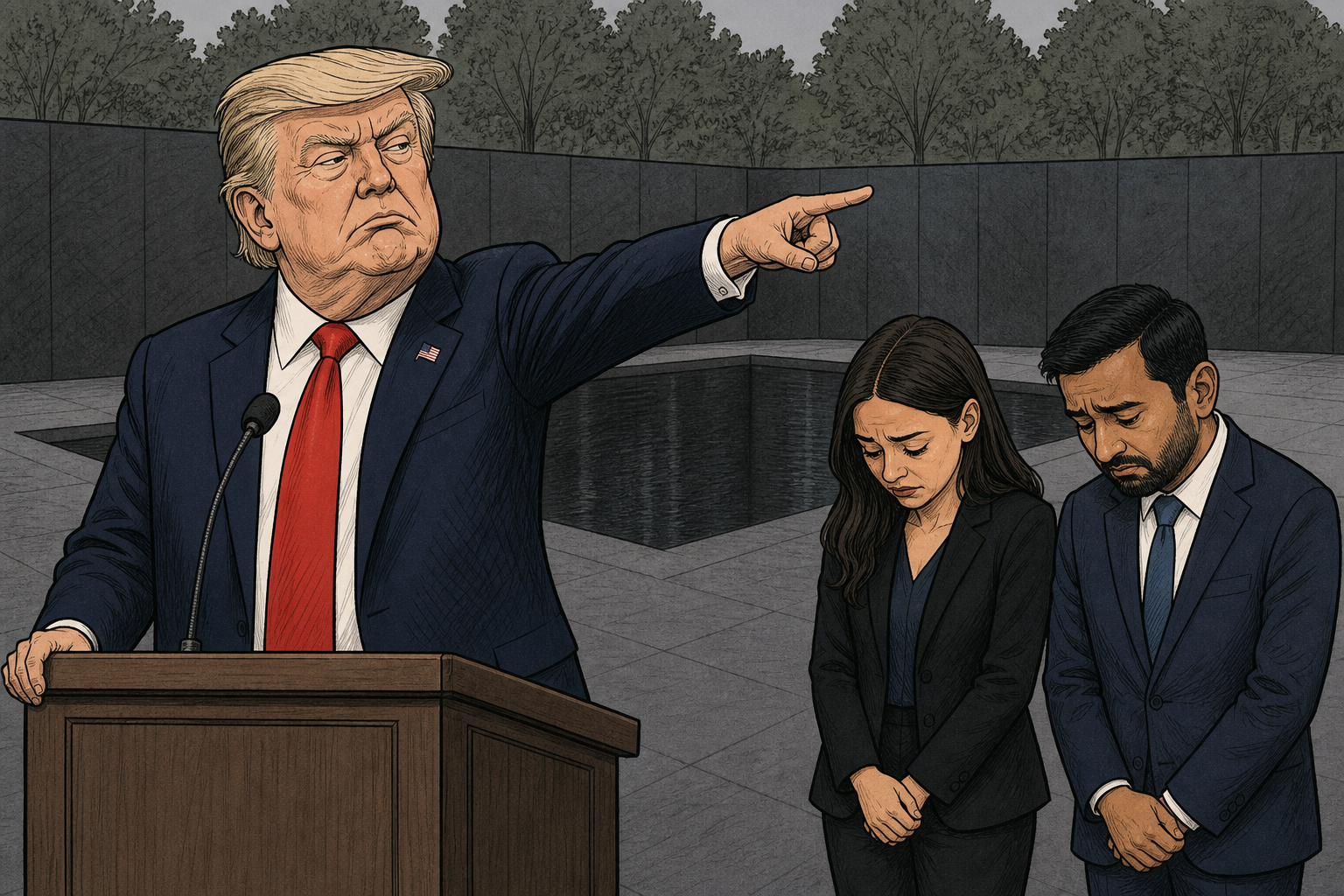
In practice, the order changes what a consular officer abroad is empowered — and directed — to do. Before, an officer suspecting birth-tourism intent had discretionary authority under the 2020 rule to deny a B-visa. Now that officer has explicit presidential direction to deny the visa, revoke one already issued, and refer commercial coaching operators for further enforcement. Miller described the mechanism directly: if an applicant tells a consular officer they are visiting as a tourist but their true purpose is to give birth and obtain citizenship, “then you’re committing a fraud against the American government—and by definition that visa can, and should, and will now be denied.”
The order applies prospectively only. It does not strip citizenship from any child already born in the United States, regardless of the parents’ visa history or intent — it governs future visa decisions and future travel, not past births. Legal challenges are expected given how recently the Court limited executive reach on this exact subject in Trump v. Barbara. The administration’s bet is that grounding the new orders in existing visa authority, rather than a 14th Amendment reinterpretation, puts them on firmer footing than the broader order the Court just struck down.
Two narrower executive orders, signed August 6, follow the broader birthright-citizenship order the Supreme Court struck down 6-3 five weeks earlier. Rather than reinterpreting the 14th Amendment, the new orders lean on visa-issuance authority the executive branch already has — denying, revoking, or barring entry to travelers whose primary purpose is giving birth on U.S. soil for citizenship. The State Department’s June sweep detailed more than 600 cases and revoked 200-plus visas across two networks; independent estimates put the total at roughly 22,000 birth tourists a year, against more than 3.5 million U.S. births overall. The orders apply only prospectively, and legal challenges are expected.