A Federal Judge Blocked the White House Press Ban. The Fight Over CNN, MS NOW, and Politico's Access Isn't Over.
Sunday, September 27, 2026. The White House’s September 18 decision to bar CNN, MS NOW, and Politico from the building is now the subject of active federal litigation. A judge has temporarily ordered the outlets’ access restored; the administration has signaled it will appeal. Attorney General Todd Blanche defended the restriction Sunday on ABC’s “This Week,” telling host Martha Raddatz that White House access “is a privilege” and that “inaccuracy and the one-sided news out of certain organizations does become a national security issue.”
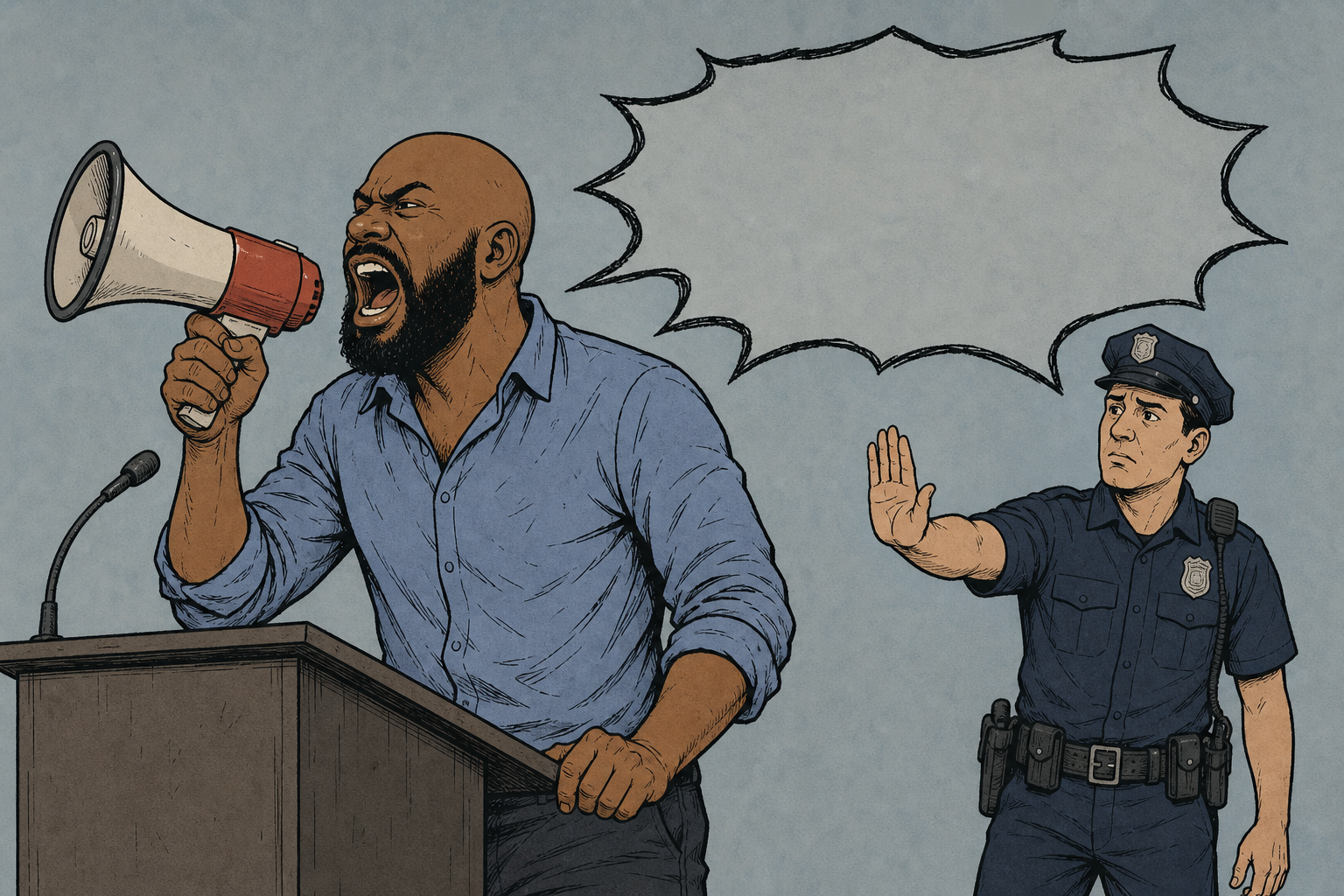
The exchange got heated at points — Blanche pushed back sharply when Raddatz pressed him for specifics, telling her at one point, “You cannot be asking me that!” — but the substance of the dispute is now a live legal question, not a talk-show moment: does the White House have the authority to revoke a working press credential over its owner’s coverage, and does the First Amendment limit that authority?
- 3outlets bannedCNN, MS NOW, and Politico barred from the White House, Sept. 18, 2026.
- 14day TROJudge Timothy Kelly's Sept. 24 order temporarily restoring the outlets' access — not a final ruling.
- 50-49Blanche's confirmation voteSenate confirmed him Aug. 8, 2026; two Republicans (Collins, Murkowski) voted no.
- 1914WHCA foundedThe White House Correspondents' Association, which called the ban unconstitutional, dates to the Wilson administration.
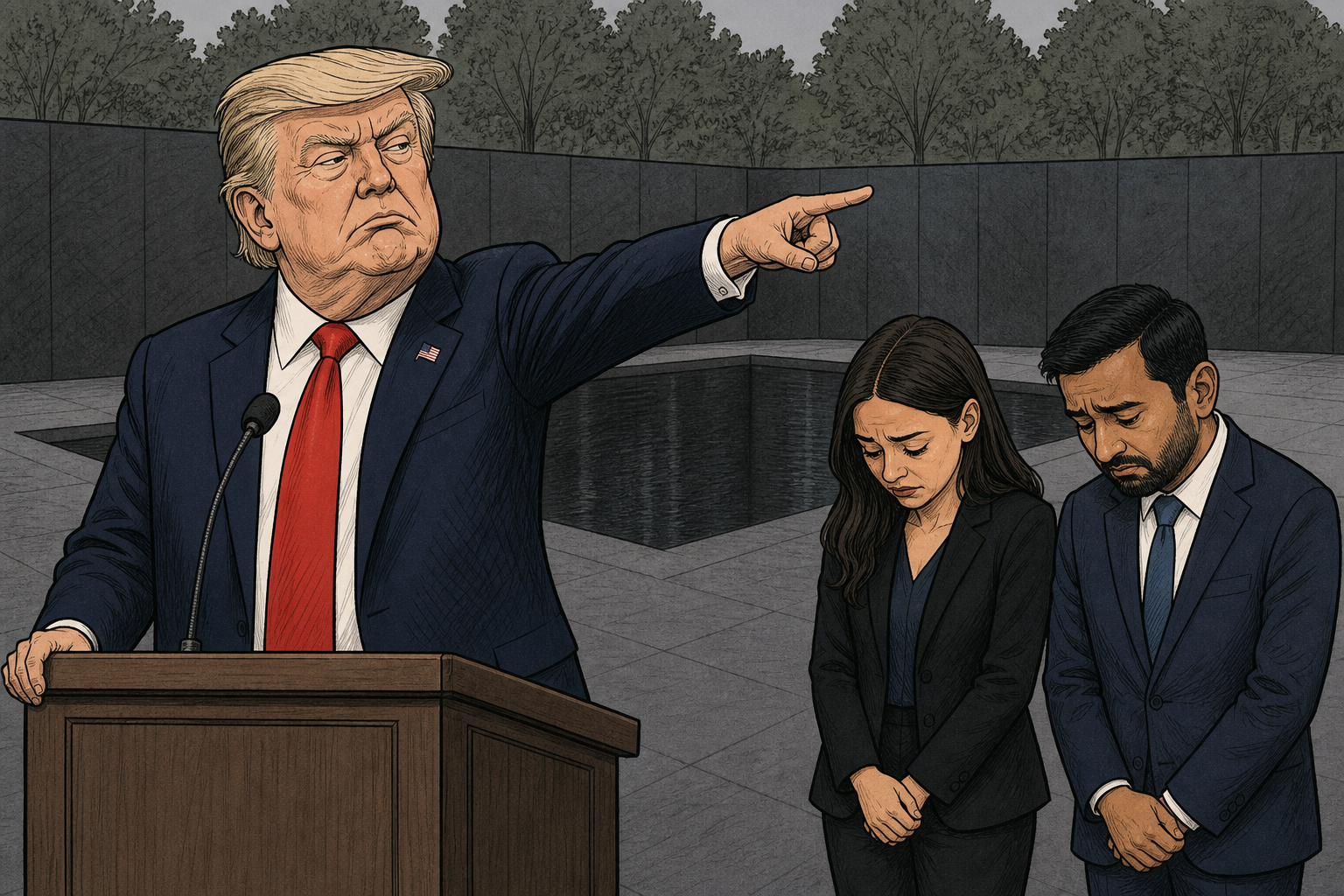
Trump announced the ban on Truth Social September 18, citing what he called “Fake News” coverage.
I am proud to announce that, effective immediately, I am banning Fake News CNN, MSNOW...and Politico from the White House.
Three days later, after the outlets sued, Trump added a national-security framing on Truth Social: “It is instituting an assault on the FAKE NEWS, something that has grown like Cancer in our beloved United States of America… It is a threat to our National Security, and must be stopped, NOW!” The DOJ has since defended the ban in court primarily on that basis.

U.S. District Judge Timothy J. Kelly, a Trump appointee, granted a 14-day temporary restraining order September 24 requiring the White House to restore the outlets’ credentials while the case proceeds. His written order noted a gap between the national-security rationale DOJ argued in court and the language of Trump’s original announcement, which he said “focused on the alleged lack of truthfulness and negativity of Plaintiffs’ reporting.” The TRO is a preliminary step, not a ruling on the merits, and the administration has signaled it will appeal.
Even the nominal restoration hasn’t meant full access in practice: CNN and MS NOW reporters were separately blocked from a state-dinner arrival for Chinese President Xi Jinping and from the press pool on Trump’s September 25 Air Force One trip to Knoxville, Tennessee — with LindellTV substituted in the pool instead.
Blanche’s central argument was that White House access is discretionary: “The president hasn’t denied access. That’s not the right way to describe it… it is a privilege — it is a privilege to be in the White House.” When Raddatz asked whether the administration planned to screen reporters before granting entry, Blanche disputed the characterization: “No, no, I did not say that! You don’t get to put words in my mouth! That’s not the way it works!”
He restated the national-security argument DOJ has made in court: “At some point, the complete misinformation and the inaccuracy and the one-sided news out of certain organizations does become a national security issue, and it’s not right for the people of the United States to have to put up with it!” Raddatz pressed for a specific example of the reporting at issue; the interview did not produce one on air.
The White House Correspondents’ Association, whose president is Fox News correspondent Jacqui Heinrich, issued a statement when the ban was first announced: “The Constitution protects the freedom of the press from government interference… The WHCA stands in defense of our colleagues.” A press-freedom pushback led by a Fox News correspondent’s organization underscores that this dispute, as litigated, is not being framed by either side as partisan — it’s about White House access as an institution, not which outlets are covering the administration favorably.
Judge Kelly’s order runs for 14 days from September 24; the administration has signaled it intends to appeal. Blanche, confirmed 88th Attorney General by a 50-49 Senate vote on August 8 after serving as Trump’s personal defense attorney and then acting AG, remains the administration’s public face defending the restriction in litigation that is, as of publication, still unresolved.
Three outlets are temporarily back on White House grounds under a 14-day court order while the underlying question — how much control the executive branch has over who covers it — heads toward a real ruling. Both sides say they’re defending a principle. The courts, not a Sunday-show interview, will decide which one wins.