For a Second Year, Florida Won’t Fund Ad Firms That Use ‘Media Raters.’ Both Sides Wave the First Amendment.
Tucked inside the $117.6 billion state budget Gov. Ron DeSantis (R-FL) signed on June 29, 2026 at Hillsborough College in Tampa is a repeat provision barring Florida agencies from paying advertising firms that rely on three outside “media reliability and bias monitors”: NewsGuard, Ad Fontes Media, and the Global Disinformation Index.
It is not a new statute and not the 2021 Big-Tech law. It is appropriations language — a budget proviso, with no fines and no private right of action — that expires with the budget on June 30, 2027 unless lawmakers renew it a third time. Backers call it a free-speech win against “media blacklists.” The rating firms, and free-speech groups like FIRE, call it the government punishing protected speech.
Both sides are invoking the same amendment. That is not a wrinkle in the story — it is the story. Here is what the proviso actually does, and why the free-speech movement is split against itself over it.
- $117.6Bbudgettotal FY2026-27 Florida budget DeSantis signed June 29, 2026 — WGCU / CBS Miami / Washington Examiner
- 2ndstraight yearthe media-monitor proviso has ridden inside the state budget — Daily Signal / Just The News
- 3firms namedNewsGuard, Ad Fontes Media, and the Global Disinformation Index — the raters the proviso targets
- 6/30/27expiresthe proviso is budget language and lapses with the budget unless renewed a third year — The Federalist
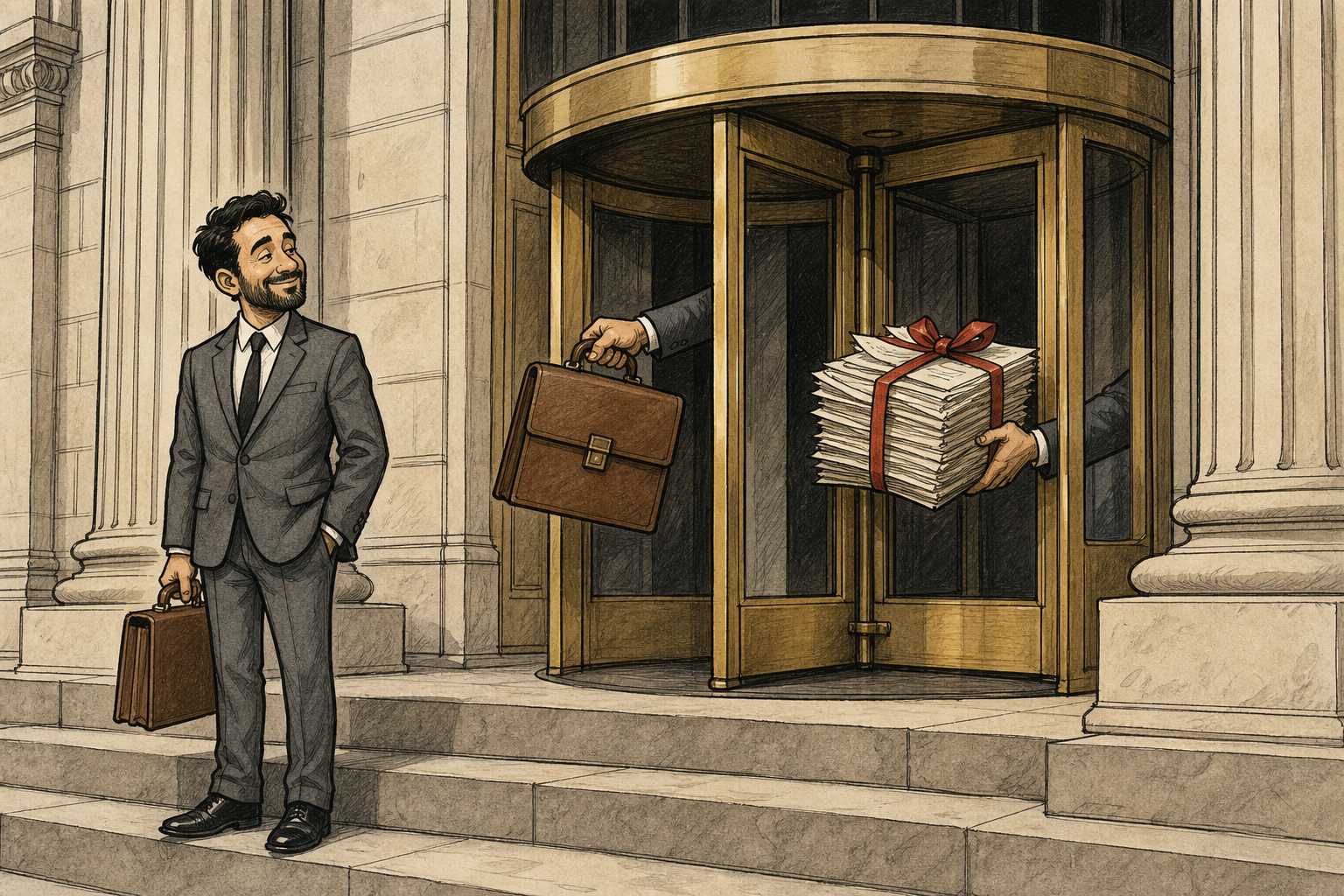
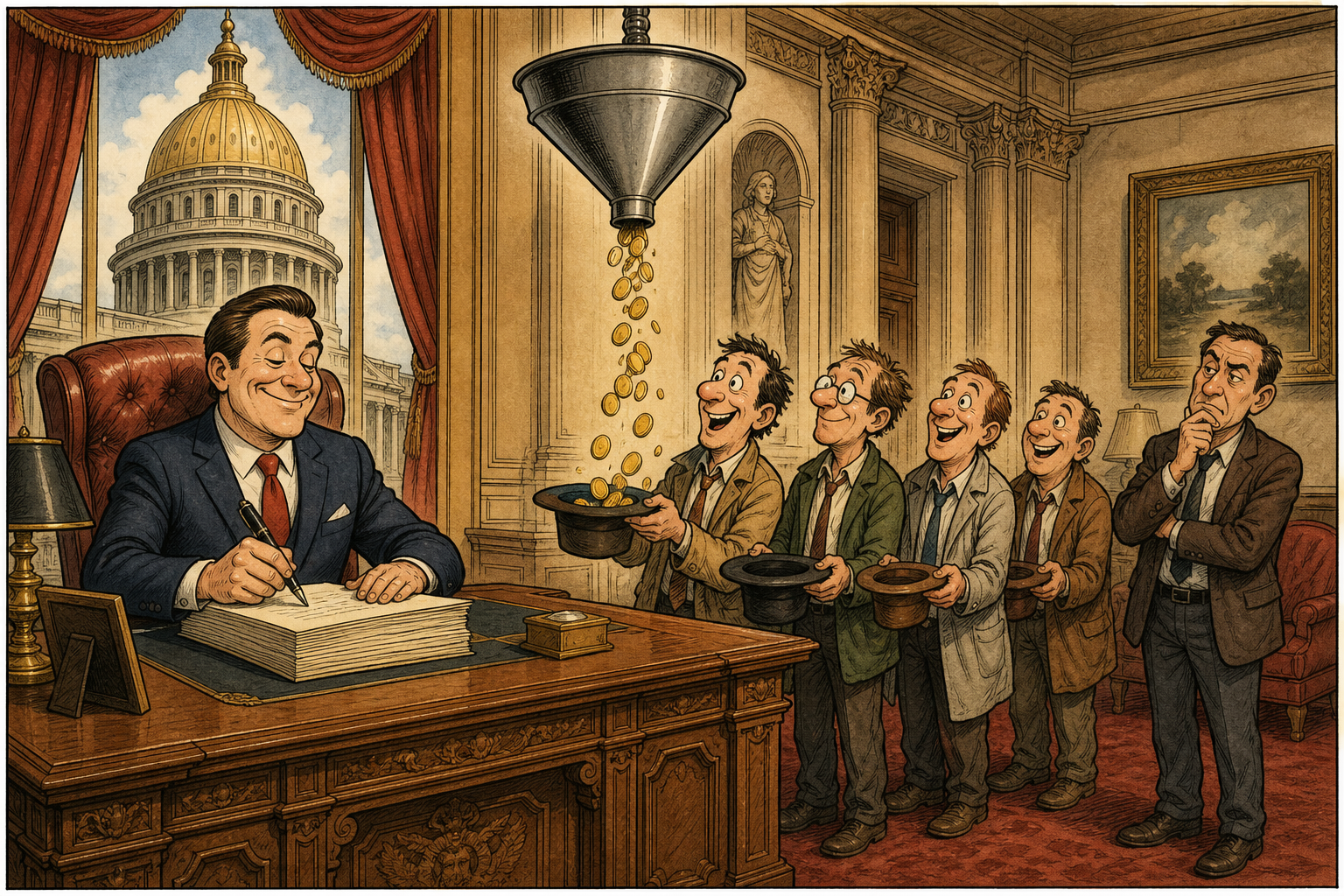
The precise thing matters here, because the headline shorthand — “DeSantis signs anti-censorship law” — overstates it. What Gov. Ron DeSantis (R-FL) signed on June 29 was the $117.6 billion Fiscal Year 2026–2027 state budget. Buried in its back-of-the-bill appropriations language is a proviso prohibiting state agencies from using state funds to contract with any advertising or marketing agency that “acts as or uses the services of” media reliability and bias monitors. In plain English: Florida will not pay ad firms that route brand dollars through third-party news-rating services.
Because it is proviso language rather than a standalone statute, it carries no fines, no penalty regime, and no private right of action. Enforcement is ordinary procurement compliance: an agency that hired such a firm would be making an unauthorized expenditure. And it expires when the budget does — June 30, 2027 — unless the Legislature re-inserts it. That is exactly what “second straight year” means: the same language first appeared in the FY2025–26 budget DeSantis signed on July 1, 2025, and lawmakers renewed it. House Speaker Daniel Perez (R-FL) and state Sen. Ed Hooper (R-FL) were named by The Daily Signal among those who kept the provision in the budget.
What it is: budget appropriations language that bars state agencies from spending tax dollars on ad firms that use NewsGuard, Ad Fontes Media, or the Global Disinformation Index.
What it isn’t: a new statute, a fine, or a ban on the rating firms operating. No firm is ordered to do anything; the state simply declines to fund contractors who use them.
How long it lasts: until June 30, 2027, when the budget expires — unless renewed a third year.
What it is not: the 2021 Big-Tech platform law (SB 7072), which fined social-media companies and was blocked in court. Keep the two separate.
Florida will not spend a single taxpayer dollar bankrolling the 'media blacklist' operations that punish outlets for their viewpoints. We led the fight against Big Tech censorship, and we are not backing down.
Paraphrased commentary · not a verbatim post
Truth Social · paraphrasing Gov. DeSantis's stated position on the media-monitor proviso
The proviso’s targets are three private companies that rate the reliability of news outlets: NewsGuard, Ad Fontes Media, and the Global Disinformation Index. Backers argue the firms function as a chokepoint in the advertising market — that brands and ad agencies use their ratings to decide where to place ads, and that ideologically skewed ratings steer money away from conservative and independent outlets. The Independent Media Council, an advocacy nonprofit that championed the measure, charges that the raters “purport to be impartial, but consistently skew their ratings to target conservative and independent media from receiving advertising from major brands.”
Supporters point to two data points in particular. MRC Free Speech America has characterized a December 2023 NewsGuard study as showing an average reliability score of 91% for left-leaning publications versus 65% for right-leaning ones — a gap the raters’ critics read as bias. (That figure is MRC’s characterization of the study, not an independent finding, and is presented here as such.) Backers also note that NewsGuard received a roughly $750,000 Department of Defense grant for its “Misinformation Fingerprints” technology, which they cite as evidence of government entanglement in the news-rating business. NewsGuard, Ad Fontes, and the Global Disinformation Index are private firms accused of ideological bias — not of any crime; the dispute is over policy and the Constitution, not criminality.
“The state has sent a clear message: Florida will not bankroll censorship disguised as oversight.”
Christine Czernejewski · Independent Media Council · via Just The News

The easy factual error here is to conflate the 2026 proviso with DeSantis’s first, far more aggressive move against “censorship.” They are opposite kinds of law. In 2021, DeSantis signed SB 7072, a first-in-the-nation statute that compelled social-media platforms to carry speech — fining them up to $250,000 a day for deplatforming statewide political candidates and adding “journalistic enterprise” protections. That law told private companies what they had to publish.
SB 7072 was promptly enjoined. A federal district court blocked it in 2021; the 11th Circuit affirmed in 2022, finding its core provisions likely unconstitutional compelled speech. On July 1, 2024, the Supreme Court decided Moody v. NetChoice, 603 U.S. 707, and unanimously vacated and remanded the case — leaving the injunction in place and signaling that a platform’s content-moderation is presumptively protected editorial judgment. The litigation is still unresolved on remand. The 2026 proviso is deliberately the opposite structure: it compels no one to carry anything. It is the state exercising its spending power — declining to fund certain contractors — which is precisely why its backers believe it will survive where SB 7072 has not.
The distinction is not merely academic. It changes the constitutional question entirely: SB 7072 forced speech; the proviso withholds subsidy. A court that struck down the first would not automatically strike down the second — and the fight over the second is only beginning.
The rating firms and their allies argue the state has the constitutional analysis backwards — that rating the reliability of news outlets is itself protected speech, and that a government conditioning its money on not associating with disfavored speakers edges toward an unconstitutional condition or viewpoint-based retaliation. NewsGuard’s co-CEOs, Steven Brill and L. Gordon Crovitz, compare their work to Consumer Reports and argue the First Amendment “bars government officials from acting to snuff out NewsGuard’s speech.” Ad Fontes Media’s founder and CEO, Vanessa Otero, has argued that the proviso may infringe private entities’ First Amendment rights by discouraging lawful, constitutionally protected business activity and chilling the speech of advertising agencies.
That argument is not hypothetical. In February 2026, the Foundation for Individual Rights and Expression (FIRE) sued the Trump-era Federal Trade Commission on NewsGuard’s behalf, alleging that FTC Chairman Andrew Ferguson (R) was using regulatory power to retaliate against the firm for its ratings — a distinct fight from Florida’s, but the same underlying theory. FIRE Chief Counsel Bob Corn-Revere put the free-speech case for the raters bluntly: their rating service, he argued, is “quintessential journalistic activity protected by the First Amendment,” and the government “has no legitimate role in saying what counts as the right balance of private expression.”
“NewsGuard's rating service is quintessential journalistic activity protected by the First Amendment.”
Bob Corn-Revere · Chief Counsel, FIRE · via thefire.org
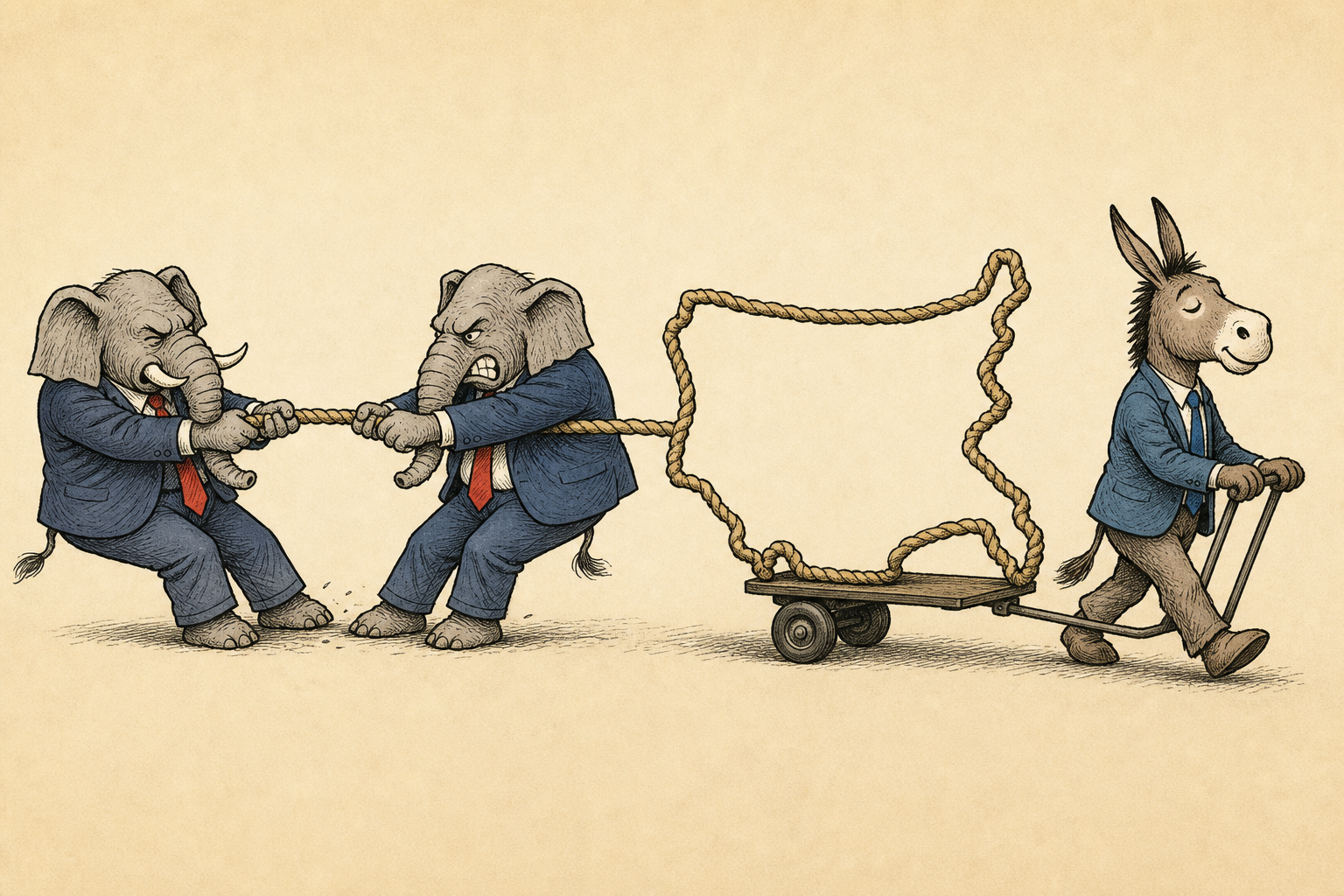
Here is the genuinely interesting part, the one the cable version misses. The free-speech movement is not united on one side of this fight — it is split against itself. FIRE, the country’s leading campus and free-speech nonprofit, opposed DeSantis’s 2021 platform law and now defends NewsGuard’s right to publish its ratings. So the same “protect free speech” banner is being waved simultaneously by DeSantis (protecting outlets from raters) and by FIRE (protecting raters from the government). That is not hypocrisy to point out; it is the actual fault line.
The uncomfortable irony worth surfacing runs both directions. To its backers, the proviso stops the government from underwriting a private machine that censors by starving outlets of ad revenue. To its targets, an “anti-censorship” measure is itself the government using its economic leverage to punish speech it dislikes — the very structural complaint DeSantis makes about Big Tech and Biden-era “jawboning.” Both descriptions can be accurate at once, because both sides are describing the same thing from opposite ends of the state’s wallet.
Big Tech and the censorship cartel spent years silencing conservatives and independent voices. We will always protect Free Speech and stop the government-media complex that decides what Americans are allowed to read and say.
Paraphrased commentary · not a verbatim post
Truth Social · paraphrasing President Trump's long-running Big-Tech-censorship theme
As of now, no lawsuit has been filed against the Florida proviso. As a spending restriction, it is legally more insulated than SB 7072 — the state gets wide latitude to decide what it will and won’t pay for. But the affected firms have shown, in the FTC case, that they will litigate when they believe a government is targeting their speech, and the unconstitutional-conditions theory gives them a live argument if they choose to use it. The SB 7072 fight is a cautionary tale on cost: CCIA Litigation Center director Burke Kappler called that years-long litigation “unfortunate for Florida taxpayers,” who “will foot the bill” — no public dollar figure for it has been released.
Florida is also no longer alone. Backers point to a West Virginia “First Amendment Preservation Act” barring state funds for media raters that reached the governor’s desk in early 2026, and to a December 2025 defense-spending provision aimed at Pentagon contracts with “blacklisting” raters. Florida wrote the template; other red states are copying it. Whether the model spreads faster than the courts weigh in is the open question — and the reason this proviso, small as it is, is worth watching past its June 30, 2027 expiration.
DeSantis did not pass a sweeping new censorship law. He renewed a narrow budget proviso — for the second straight year — that keeps Florida from paying ad firms which use NewsGuard, Ad Fontes, or the Global Disinformation Index. No fines, no ban on the firms, and it sunsets in 2027.
Backers call it a free-speech win against “media blacklists.” The raters and FIRE call it government retaliation against protected speech. Both are quoting the First Amendment.
The honest read is that this is a real constitutional argument with two defensible sides — a spending-power question, not a slam dunk for either camp — and the free-speech movement itself is standing on both sides of it at once.