
NATO’s Top Commander Told Warsaw What Happens If Russia Attacks: Block, Blunt, Break.
On Monday, Oct. 12, 2026, Gen. Alexus Grynkewich, a U.S. Air Force officer who serves as NATO’s Supreme Allied Commander Europe, laid out the alliance’s plan for answering a Russian attack. Speaking at the Warsaw Security Forum, he said “we will break the warfighting system engaged against us,” and that this includes “anything and everything that supports, sustains, and controls that force.”
A caution on wording. Fox News’s headline says NATO would “destroy anything and everything.” That is the outlet’s paraphrase. Grynkewich’s word was “break,” and he did not name Russia in the address, though Fox reads it as aimed at Moscow. We quote him, not the headline.
- Oct. 12, 2026 — date of the address at the Warsaw Security Forum, on a panel titled "Theory of Victory" · Source: Fox News; PAP
- 5% of GDP — the defense-spending target allies pledged at the June 2025 Hague summit, by 2035 · Source: Fox News
- ~5,000 troops — the U.S. armored brigade withdrawal Grynkewich said in May 2026 would not undermine regional defense plans · Source: LIGA.net
- Sept. 30 — date of a Russian diplomatic note calling NATO's course "dangerous and reckless" · Source: Fox News, citing Reuters
The speech was built on deterrence by denial. “My theory of victory is simple: we will block the initial attack,” Grynkewich said. “And if required, we will break the enemy’s forces and the operational warfighting system that is arrayed against us.” He added that “if someone is foolish enough to attack us, we will fight,” and that NATO would “ensure any attack, against any ally, proves utterly futile.”
He pitched it to the public as reassurance: “I want to assure the one billion citizens of our alliance that we’ve got this,” and “if attacked, we are ready to fight tonight, but we are not complacent.” The day before, in a Bloomberg TV interview, he said Russia is “trying to break our collective will.”
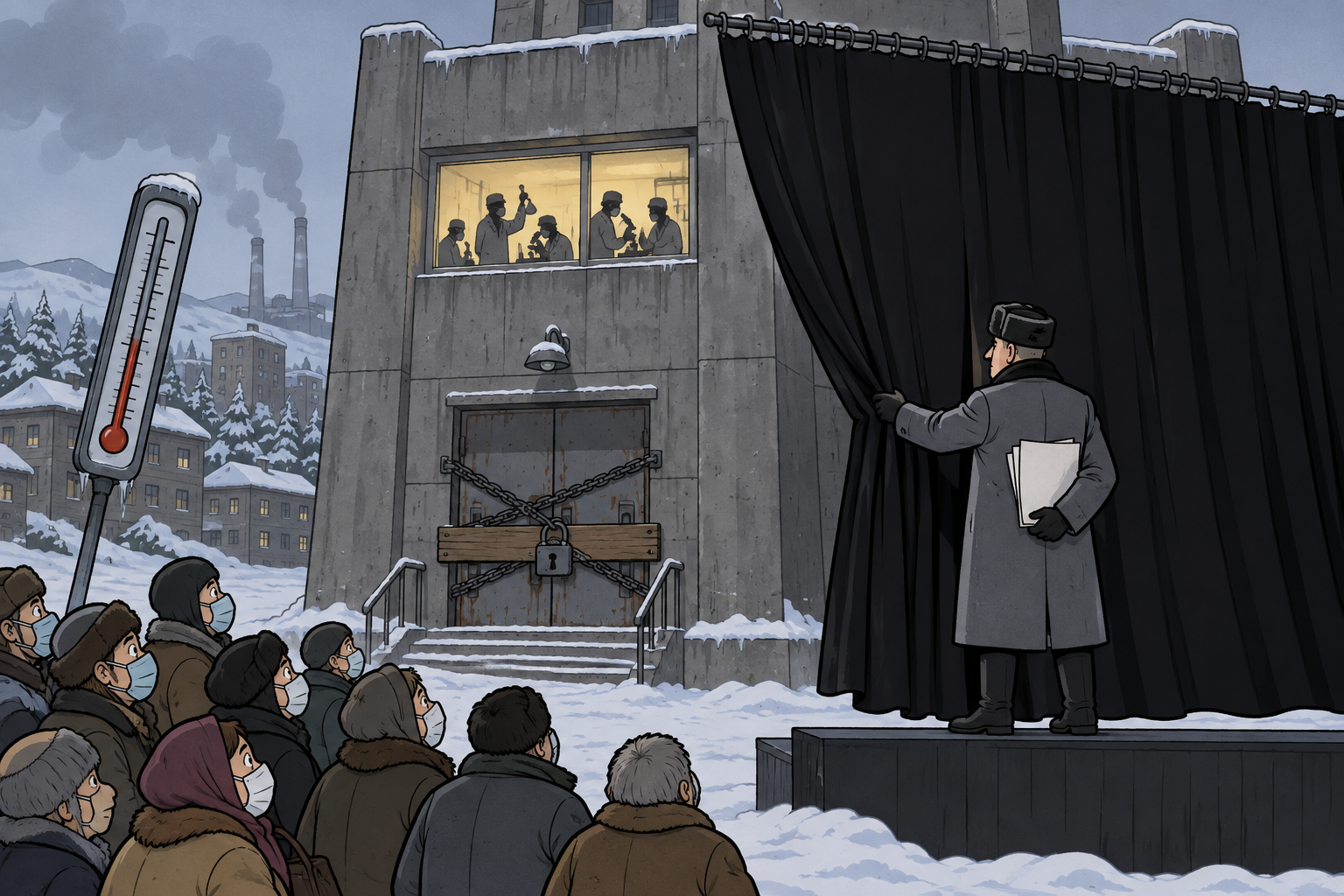
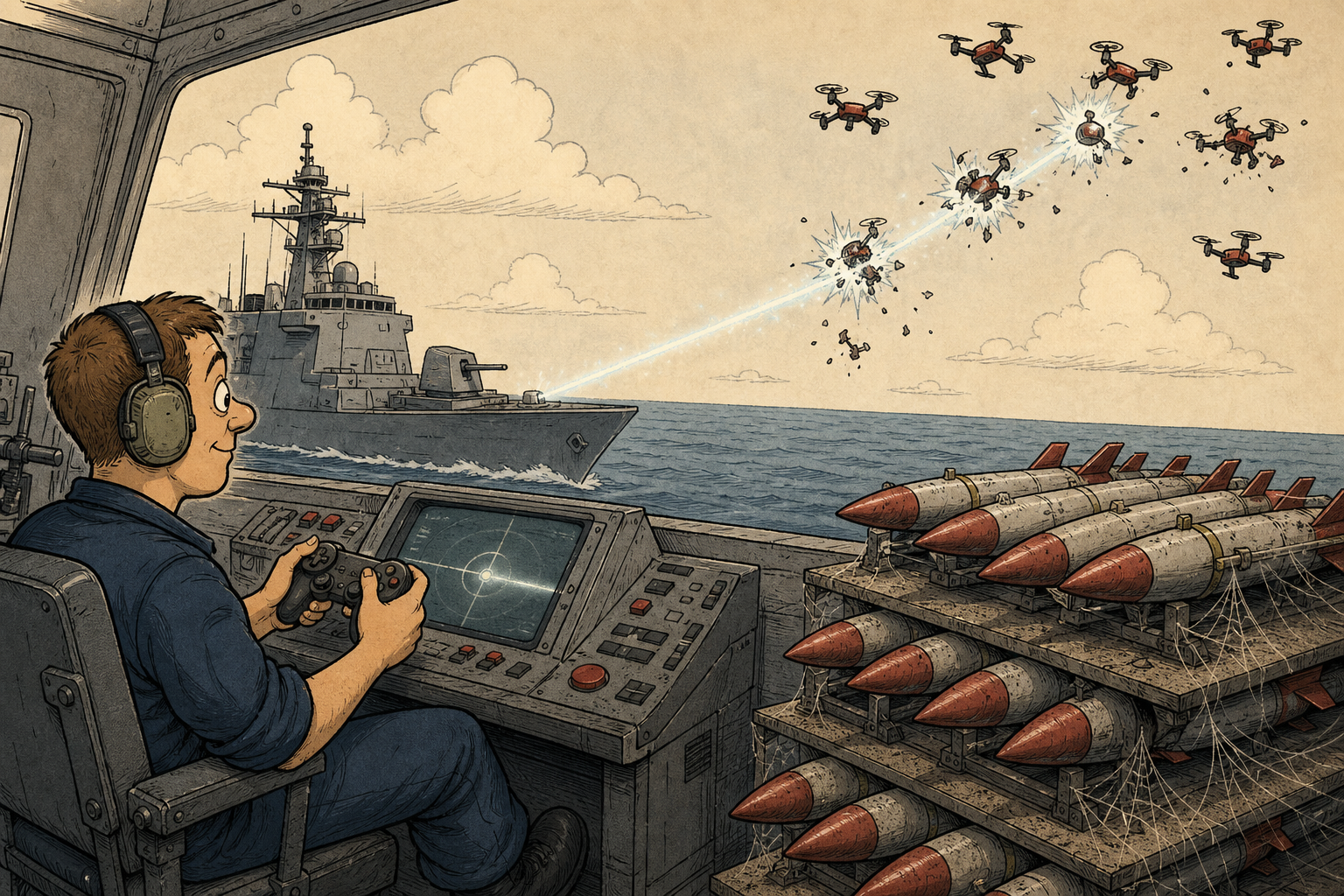
Block is stopping the first push. Blunt, per Euronews, is the middle phase that leans on sensors and autonomous systems. Break is defeating the attacking force and the command, sustainment and control behind it, which is why his phrase reaches past the troops in the field. Bloomberg, which reviewed an unclassified version of the plan, reports it relies on ground forces with low-cost drones and AI-assisted targeting to halt an incursion, followed by rapid strikes on Russian command and control. Col. Martin O’Donnell, a spokesperson for the commander, told Bloomberg the doctrine’s aim is to “maintain NATO’s advantage.”
Meduza’s summary of the plan adds details we could not confirm with a second source: a drone-and-robot “autonomous zone” on the eastern flank, long-range missile strikes on command posts in Kaliningrad and Belarus, and a counterattack by U.S. Army V Corps. Treat those as reported, not confirmed. No primary NATO or SHAPE document for the speech had been published when we checked.
The backdrop is a run of incidents on NATO territory. In September 2025, 21 drones, flying primarily out of Belarus according to Polish Prime Minister Donald Tusk, entered Polish airspace and Poland invoked Article 4, per the Arms Control Association. In August 2026, an explosives-laden drone was found at Leipzig/Halle airport near a Ukrainian cargo plane; Germany formally blamed a Russian intelligence service on Sept. 1 and is closing the Russian consulate in Bonn and the Russian House of Culture in Berlin, according to the Kyiv Independent and AP.
Moscow has not answered the speech, and Fox reports no direct Russian response. Its last word was the Sept. 30 note, reported by Reuters, warning of “high risks of the outbreak of a direct armed conflict” and saying Russia could use its full arsenal, including nuclear weapons, to defend Kaliningrad. Putin maintains Russia has no plans to attack Europe. For the separate August U.S. intelligence assessment of a limited strike on a NATO member, see our earlier report on the Article 5 test.

Credibility rests on spending and presence. Allies pledged 5% of GDP by 2035 at The Hague in June 2025, a target Fox says President Donald Trump (R) pressed for. Meanwhile Grynkewich said in May that a withdrawal of about 5,000 U.S. troops from Europe, which Grynkewich says will not undermine NATO’s regional plans. Whether a plan that, as reported, depends on cheap drones, cloud-shared targeting data and long-range fires works against a country with Russia’s arsenal is untested.
Said on the record: NATO would block an attack and break the force and the system behind it.
Not yet confirmed: the specific strike targets, the cloud targeting system, and any Russian reaction.
“We will, in short, ensure any attack, against any ally, proves utterly futile.”
Gen. Alexus Grynkewich, Warsaw Security Forum, Oct. 12, 2026 — via Fox News
- 1.Fox News — 'NATO warns Russia: We will break forces, destroy anything and everything if you attack,' Oct. 12, 2026
- 2.Stars and Stripes (Bloomberg) — NATO commander on Putin and Ukraine aid, Oct. 11, 2026
- 3.Stars and Stripes — NATO 'victory' battle plan preview, Oct. 6, 2026
- 4.Meduza — 'How would NATO defeat a Russian invasion? Its top commander envisions a wall of drones, a counteroffensive, and missile strikes deep behind Russian lines,' Oct. 12, 2026
- 5.Euronews — 'NATO commander unveils strategy to make any attack on alliance utterly futile,' Oct. 12, 2026
- 6.Kyiv Post — Bloomberg-based summary of NATO's unclassified 'theory of victory' plan
- 7.Polish Press Agency (PAP) — Warsaw Security Forum 2026 preview
- 8.Kyiv Independent — 'Germany officially blames Russia for drone attack attempt at Leipzig airport'
- 9.Irish Examiner (Associated Press) — Germany attributes the Leipzig airport drone
- 10.Arms Control Association — Russian drone incursion into Poland, September 2025
- 11.LIGA.net — US to withdraw about 5,000 troops from Europe; NATO commander responds, May 2026
- 12.Polish Institute of International Affairs (PISM) — NATO regional defence plans and the credibility of deterrence
Last updated October 13, 2026