OpenAI Asked Newsom to Water Down California’s AI Law. He Signed It Anyway. Then OpenAI Subpoenaed the Nonprofit Lawyer Who Helped Write It.
- $1,000,000 the maximum civil penalty per violation under SB 53, the state AI transparency law OpenAI's letter asked California to soften — California State Legislature, SB 53 chaptered text
- Zero dollars appropriated so far for CalCompute, SB 53's public AI-compute consortium — its funding structure isn't due until Jan. 1, 2027 — California State Legislature, SB 53 chaptered text
- 781+ state AI bills nationwide that OpenAI cited to the White House in March 2025 while asking for federal preemption of state AI law — Bloomberg Law, Mar. 31, 2025
- 3 the total staff of Encode, the AI-policy nonprofit whose general counsel OpenAI subpoenaed for his private communications about SB 53 — Fortune, Oct. 10, 2025
- 11 Days from Newsom signing SB 53 without OpenAI's requested carve-outs to Encode's counsel publicly accusing OpenAI of intimidation — Office of Gov. Newsom; Fortune, Oct. 10, 2025
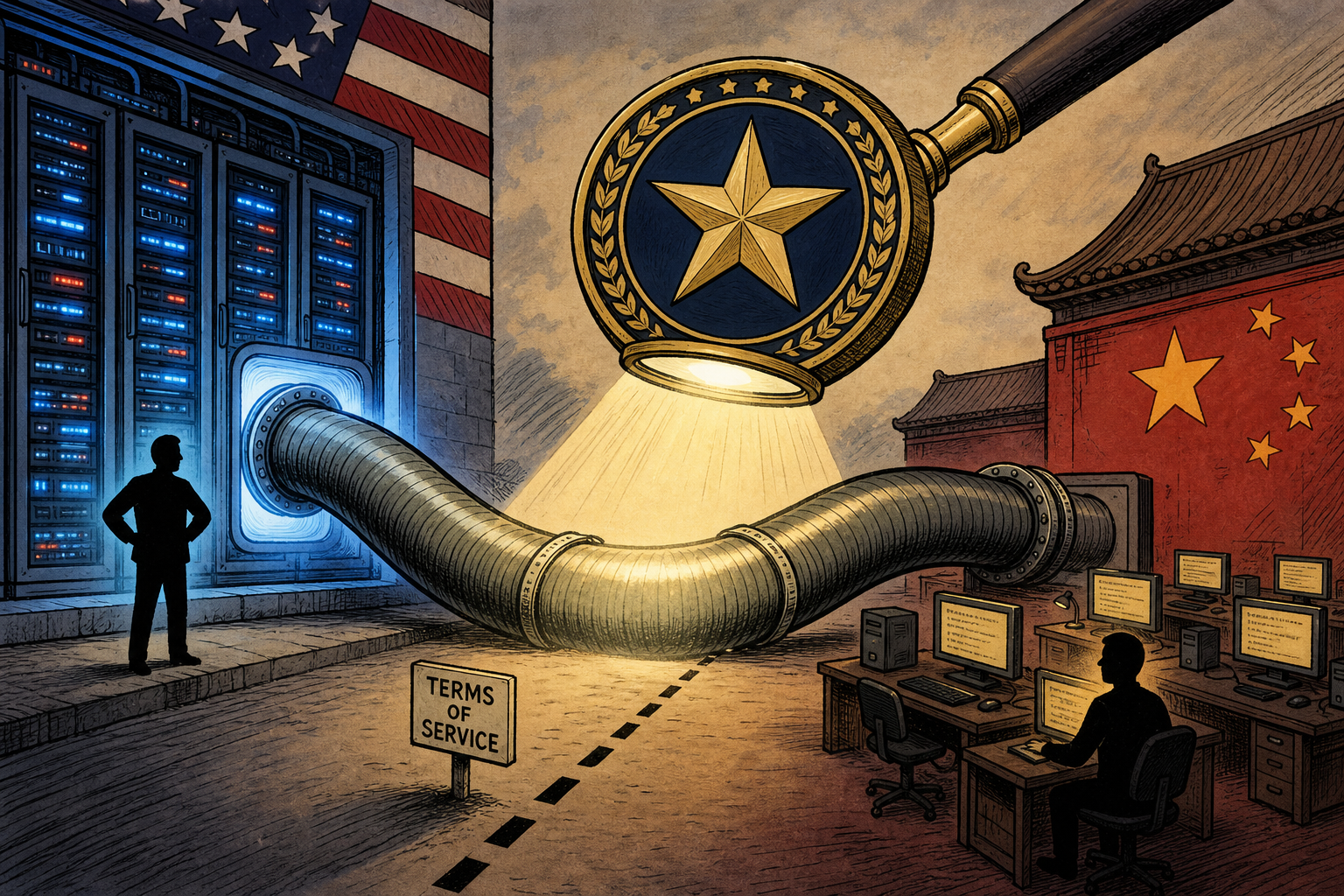
On August 11, 2025, OpenAI Chief Global Affairs Officer Chris Lehane sent a formal letter to Gov. Gavin Newsom (D-CA) asking California to treat a company’s existing safety agreement with a federal agency, or its participation in the European Union’s AI Code of Practice, as sufficient to satisfy the state’s pending AI transparency bill, SB 53 — effectively letting outside frameworks substitute for California’s own enforcement.
Newsom signed SB 53 on September 29 anyway, without the carve-outs OpenAI wanted. Anthropic had endorsed the bill; OpenAI had published an open letter discouraging the governor from signing it, according to TechCrunch.
Eleven days later, Encode General Counsel Nathan Calvin went public: a sheriff’s deputy, he said, served him an OpenAI subpoena — demanding his private communications about SB 53 — while he and his wife sat down to dinner. OpenAI called it routine litigation housekeeping. Two months after that, President Trump signed an executive order pursuing, by federal fiat, much of what OpenAI had asked Newsom to grant voluntarily — and Newsom, who had refused OpenAI, called Trump’s version “corruption.”
OpenAI’s Newsom letter wasn’t its first attempt to keep state AI law off its books. Five months earlier, in a March 2025 submission to the White House Office of Science and Technology Policy, OpenAI had asked the federal government broadly for “relief from the 781 and counting proposed AI-related bills already introduced this year in US states,” arguing that a state-by-state patchwork risked “bogging down innovation and… undermining America’s leadership position,” per Bloomberg Law.
The August letter to Newsom narrowed that ask to one bill. Per The Decoder’s review of the letter, OpenAI urged California to deem a company compliant with SB 53 if it had “already signed a safety agreement with a U.S. federal agency or joined international frameworks” — language Calvin later said “could have significantly narrowed the law’s reach.” State Sen. Scott Wiener (D-San Francisco), SB 53’s author, cast the broader lobbying campaign in blunter terms to TechCrunch:
“This is another symptom of Citizens United. The wealthiest companies in the world can just pour endless resources into these PACs to try to intimidate elected officials.”
State Sen. Scott Wiener (D-San Francisco), SB 53 author, via TechCrunch
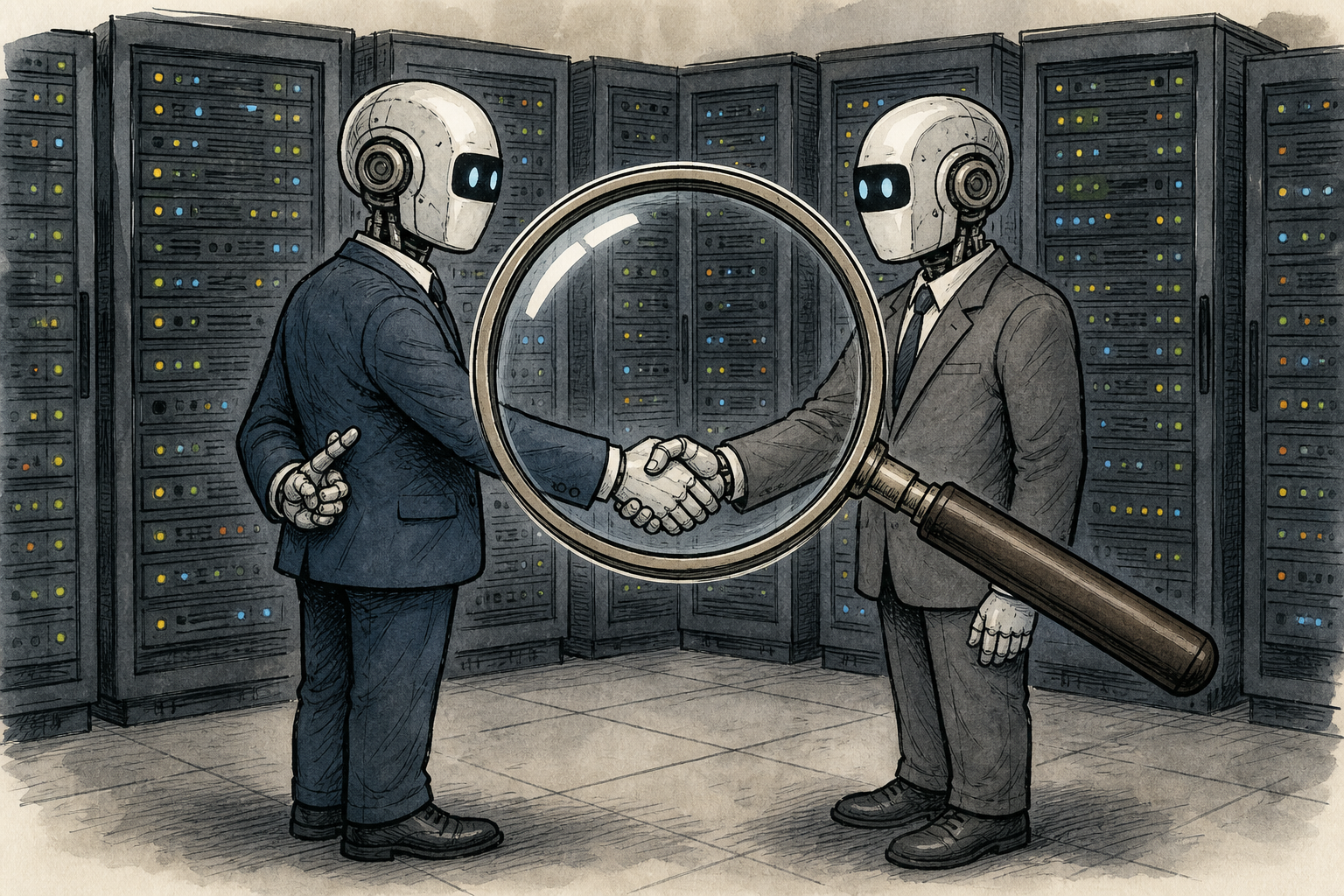
SB 53 — the Transparency in Frontier Artificial Intelligence Act — became law on September 29, 2025, in the form Wiener wrote, not the form OpenAI asked for. It requires large AI developers to publish safety frameworks, report critical safety incidents to California’s Office of Emergency Services, extend whistleblower protections to employees who flag health or safety risks, and answer to the state Attorney General for a civil penalty of up to $1,000,000 per violation. It also creates CalCompute, a state-run public AI-compute consortium — though the law appropriates no money for it yet, leaving a funding-structure report due January 1, 2027 as the only concrete deadline attached.
“California has proven that we can establish regulations to protect our communities while also ensuring that the growing AI industry continues to thrive,” Newsom said in his signing statement. Wiener called it evidence California is “stepping up, once again, as a global leader on both technology innovation and safety.” Stanford AI researcher Dr. Fei-Fei Li, who co-chaired the state’s AI policy working group, added that policy “should continue emphasizing thoughtful scientific review and keeping America at the forefront of technology.”
JUST IN: @CAGovernor Gavin Newsom signed #SB53…
What happened next is disputed, but the underlying facts aren’t. In August 2025 — around the time of OpenAI’s letter, before SB 53 was even signed — OpenAI served a subpoena on Nathan Calvin, general counsel of Encode, a three-person AI-policy nonprofit that had lobbied for SB 53. Per Fortune, a sheriff’s deputy delivered it as Calvin and his wife sat down to dinner, demanding “all of Calvin’s private communications on SB 53.” Tyler Johnston, co-founder of the similarly small Midas Project, said he received the same treatment: “a knock at my door in Oklahoma with a demand for every text/email/document.”
Both subpoenas arrived under the umbrella of OpenAI’s ongoing, unresolved civil lawsuit against Elon Musk — litigation in which OpenAI has alleged Musk is funding a network of critics. Calvin says that framing doesn’t hold up for a nonprofit that had been publicly lobbying on SB 53 for months. He went public on October 10, calling it the “most stressful period of my professional life”:
One Tuesday night… a sheriff's deputy knocked on the door to serve me a subpoena from OpenAI…
I believe OpenAI used the pretext of their lawsuit against Elon Musk to intimidate their critics and imply that Elon is behind all of them.
OpenAI Chief Strategy Officer Jason Kwon disputes the intimidation framing directly. Subpoenas, he told The Decoder, are “a standard method of gathering information in any litigation,” and OpenAI was simply seeking clarity on whether Encode receives funding tied to Musk. Neither claim has been tested in court. No judge has ruled on whether the subpoenas were, as OpenAI maintains, routine discovery, or, as Calvin maintains, pressure aimed at a critic of the company’s own lobbying letter.
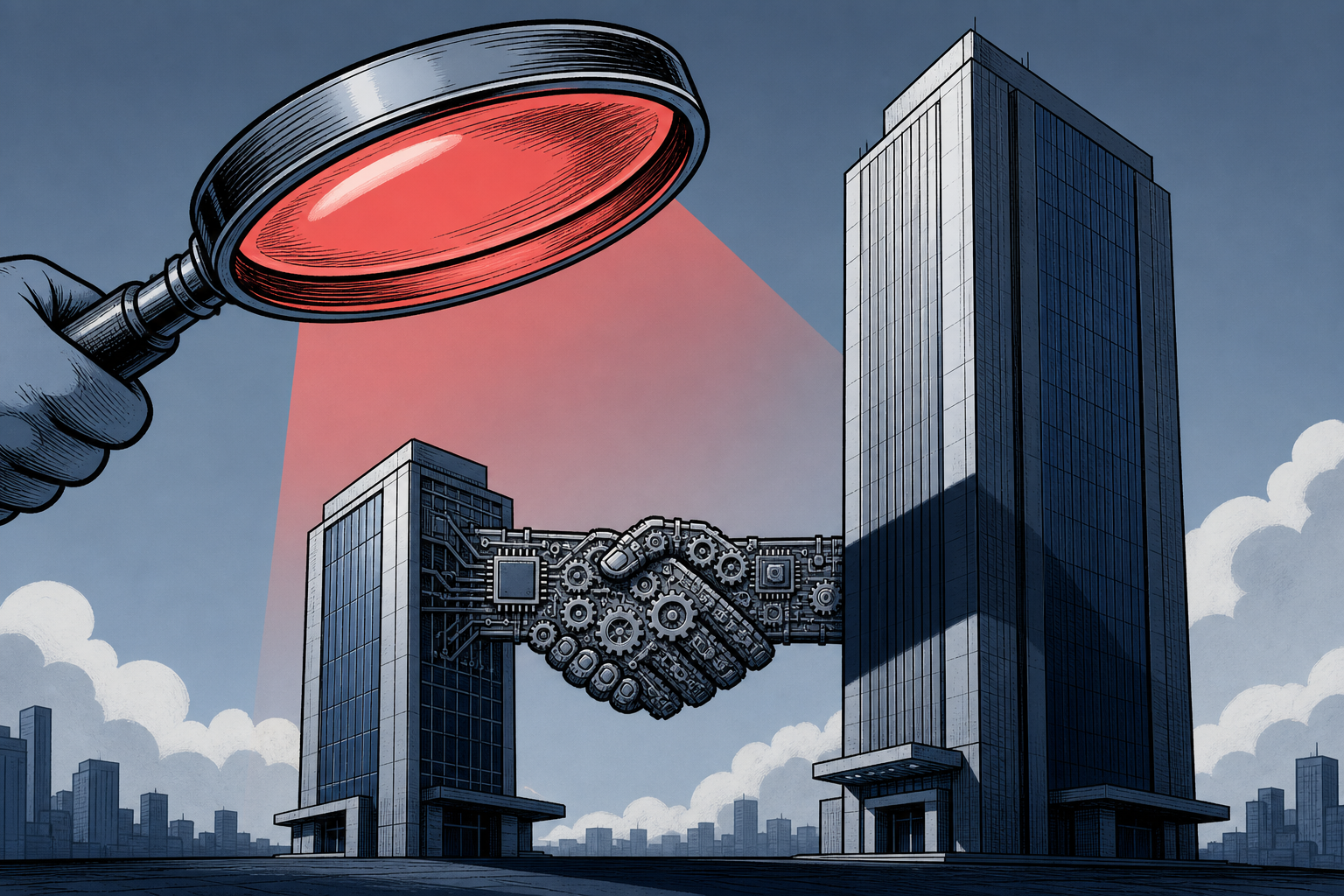
What OpenAI couldn’t get from Newsom in writing, the White House pursued by executive order. On November 18, 2025, President Donald Trump (R) posted on Truth Social that “overregulation by the States is threatening to undermine this Growth Engine” — the state-by-state AI oversight OpenAI had separately lobbied against.
Investment in AI is helping to make the U.S. Economy the ‘HOTTEST’ in the World — But overregulation by the States is threatening to undermine this Growth Engine.
Verbatim text as archived by the American Presidency Project (UC Santa Barbara).
The following day, speaking at the U.S.-Saudi Investment Forum, Trump made the target more explicit, per Forbes, warning that a patchwork of state rules was “a disaster” because “you’ll have one woke state and you’ll have to do all woke.” On December 11, he signed the executive order those remarks previewed, directing the Justice Department to stand up a litigation task force against state AI laws, ordering the FTC to weigh whether federal deception law preempts state rules governing AI outputs, and threatening rural broadband grant funding for noncompliant states — per Roll Call, achieving through federal order much of the deference OpenAI had asked Newsom to grant by letter four months earlier.
Newsom, who had refused to grant OpenAI the same deference voluntarily, called Trump’s version something else entirely.
“Today, President Trump continued his ongoing grift in the White House, attempting to enrich himself and his associates, with a new executive order seeking to preempt state laws protecting Americans from unregulated AI technology.”
Gov. Gavin Newsom (D-CA), official statement, Dec. 11, 2025
Legal analysts who reviewed SB 53 for clients read the finished law as materially different from what OpenAI proposed: enforceable state reporting and penalty authority, not a federal or EU substitute.
Earlier this week, CA Governor Gavin Newsom signed into law SB 53…
OpenAI’s account: the Newsom letter was a good-faith harmonization request — let companies already accountable to a federal agency or the EU skip a duplicate state regime. The Calvin and Johnston subpoenas were ordinary discovery in unrelated Musk litigation, not retaliation.
Encode’s account: the letter sought to gut SB 53’s enforcement teeth, and the subpoenas — arriving weeks after that letter, aimed at a three-person nonprofit’s general counsel — used the Musk lawsuit as cover to pressure a critic.
Neither account has been adjudicated. The Musk litigation OpenAI cites as the subpoenas’ basis remains pending and unresolved.
OpenAI asked Newsom in writing to let federal or EU compliance substitute for California’s own AI transparency law. Newsom signed the law without that carve-out. Eleven days later, the general counsel of a three-person nonprofit that helped write the bill said OpenAI had subpoenaed his private communications — which OpenAI calls routine litigation and Encode calls intimidation, with no court ruling yet on either claim. Two months after that, President Trump signed an executive order pursuing much of what OpenAI had asked Newsom to grant voluntarily — and Newsom called it corruption.