The CFTC Is Reportedly Probing Adam Kinzinger’s Bets on His Own Biden Pardon. He Calls It “a Dumb Bet.”
September 30, 2026. The Commodity Futures Trading Commission is reportedly looking into trades that former Rep. Adam Kinzinger (R-IL) made on the prediction market Kalshi, betting that then-President Joe Biden (D) would pardon him. Politico first reported the inquiry; CNN, citing a person familiar with the matter, confirmed it and published Kinzinger’s own account.
Kinzinger admits the bets, which were small. He denies having any inside information. The CFTC and Kalshi declined to comment, Kinzinger says no investigator has contacted him, and nobody has been charged. What is established is the trading itself; what is not established is whether it broke any rule.
- $669wageredTotal Kinzinger says he staked, per screenshots he shared with CNN.
- $823net profitWhat he says he netted — his own figure, not an agency finding.
- 2pardon marketsKalshi markets on a Biden pardon, traded in late 2024 and early 2025, per CNN's sources.
- 0chargesNo complaint or enforcement action has been announced; the CFTC and Kalshi declined to comment.
Politico reported on September 29, citing three people with knowledge of the matter, that the CFTC, the federal regulator that polices prediction markets, is examining Kinzinger’s trades, according to Decrypt. CNN followed the next day. Its source said career CFTC enforcement staff began scrutinizing the Biden pardon markets on both Kalshi and Polymarket after press reports of possible insider activity, and a second person familiar said Kalshi itself flagged Kinzinger’s trades to the CFTC during a broader look at suspicious activity.
CNN describes it as the first publicly known federal probe into pardon markets on prediction sites. Both reports rest on unnamed sources. No agency has put the inquiry on the record.
Financial regulator investigates Adam Kinzinger over Kalshi trading
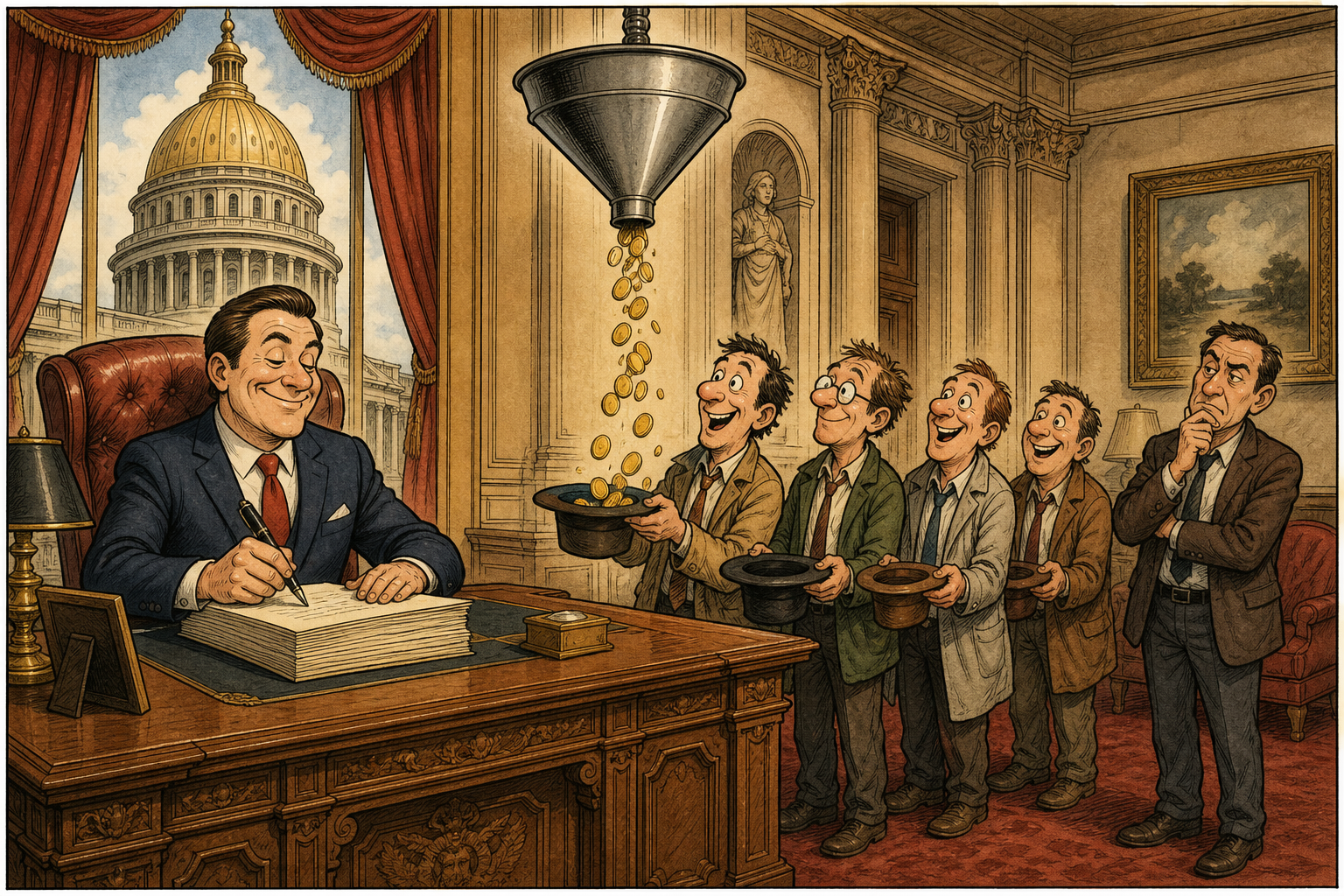
In an interview with CNN, where he is a contributor, Kinzinger acknowledged the trades and said they were two of a “few dozen” bets he made on political topics. He said he reviewed Kalshi’s rules beforehand and believed he was within them, and he was a private citizen at the time, out of Congress and not running for anything. “It was a dumb bet, to bet on myself,” he told CNN. “Looking back, I’m like, yeah, I wish I’d have skipped it.”
His insider-trading denial is specific: “At no point, ever, had I had a conversation with anybody in the know about pardons (or) whether I’d get pardoned. Certainly, nobody in the White House or anybody that would know anything.” Biden issued preemptive pardons in January 2025 to members of the House January 6 committee, on which Kinzinger sat. Kinzinger has said publicly he did not want one.
The size of the bet is not the point; the market is. Prediction sites now list contracts on whether specific named people will be pardoned, and the people who could know the answer sit inside government. NPR reported in April that an anonymous Polymarket account made roughly $300,000 betting on Biden pardons for several people, including Kinzinger. That reporting does not link the account to Kinzinger, and this probe is about a different platform and a different trader.
The closest precedent involving a former member of Congress is George Santos (R-NY), who settled a CFTC matter involving prediction-market trading in August, according to The Hill. The facts there were different, and it is not an insider-information precedent for this case. Whether Kinzinger’s trades are treated the same way depends on facts nobody has published: what the CFTC thinks he knew, and what Kalshi’s rules actually barred.
Whether any rule was violated. Whether the CFTC will act. Whether the White House ever knew about the trades. Kinzinger told CNN he has not heard from investigators. Separately, President Trump has claimed Biden’s pardons are invalid, and Kinzinger dared the administration to test that in court, per ABC7 Chicago in 2025. The pardon’s legal status is a separate question from this inquiry.
Twitchy, Hot Air, and RedState have all run with the report. They are repeating the Politico and CNN reporting, not adding to it, and the same caution applies: an unconfirmed inquiry over less than $1,000 in wagers is not an indictment.
A former congressman admits he bet small sums on his own pardon, a federal regulator is reportedly asking whether that crossed a line, and no one has said on the record that it did. The facts that matter — what he knew, and what the rules prohibited — are the ones nobody has published.