
Mamdani Froze the Rent on a Million Apartments. Here’s What That Actually Does.
On the night of June 25, 2026, New York City’s Rent Guidelines Board voted 7–1 to set the next year’s rent adjustment for stabilized apartments at zero percent — on both one-year and two-year leases. It was the first two-year freeze in the board’s history, and it delivered the single most famous promise of Mayor Zohran Mamdani (D), who had run, and won, on three words: freeze the rent.
The freeze covers roughly one million rent-stabilized apartments — more than 40% of all rental units in the five boroughs, home to an estimated two million New Yorkers. For those tenants, the math is simple: the legal rent on a renewal lease signed between October 1, 2026 and September 30, 2027 cannot go up at all.
This page lays out exactly what happened, how a mayor “freezes the rent” through a board that is supposed to be independent, and the real economic argument on both sides — tenant relief for two million people against the warning, from the board’s own cost data and from housing economists, that frozen rents on aging buildings can curdle into deferred maintenance and disinvestment. Sourced line by line.
- 0% / 0% — the rent adjustment the board set for one-year and two-year stabilized leases beginning Oct. 1, 2026 — the first two-year freeze in board history · Source: Gothamist; amNewYork
- 7–1 — the final Rent Guidelines Board vote, with eight of nine members present; the lone 'no' came from public member Arpit Gupta · Source: The Hill; amNewYork
- ~1 million — rent-stabilized apartments affected — more than 40% of all city rentals, housing roughly 2 million residents · Source: Washington Examiner
- 6 of 9 — board members appointed by Mamdani in February 2026; the mayor appoints every seat on the nominally independent board · Source: The City; NYC RGB
- +5.3% — rise in operating costs for stabilized buildings over the prior year — fuel up 11%, insurance up 10.5% — per the board's own 2026 Price Index of Operating Costs · Source: NYC RGB (primary)
- ~10% — share of rent-stabilized buildings already running at negative net income, where expenses exceed revenue · Source: City Journal (Arpit Gupta)
The vote was not on whether to cap rents in general — rent stabilization in New York is decades old and set in state law. Each year the city’s Rent Guidelines Board sets the one number that matters to stabilized tenants: how much the legal rent may rise on a renewal lease. For the year beginning October 1, 2026, the board set that number at 0% for one-year leases and 0% for two-year leases. A landlord can offer a new lease, but cannot raise the regulated rent on it.
What makes this order historic is the two-year line. New York has frozen one-year rents before — three times under Mayor Bill de Blasio — but never on two-year renewals, which had always carried at least a small increase to account for the longer lock-in. Freezing both is unprecedented. The order covers stabilized apartments in buildings of six or more units built before 1974, plus units in buildings that take certain tax breaks or government subsidies: roughly one million homes, the Washington Examiner notes, or better than 40% of every apartment in the city.

Here is the mechanism, because it is the whole story. The mayor of New York does not set rents by decree. He appoints the nine members of the Rent Guidelines Board — two who represent tenants, two who represent owners, and five “public” members, including the chair — and the board, by its own vote, sets the adjustment. In theory the board is independent. In practice, the mayor picks every seat, and that is the lever Mamdani pulled.
Mamdani took office in January 2026 after winning the 2025 mayoral race, and in February he appointed six of the board’s nine members. By the time the board met in June, a Mamdani-aligned majority was seated. The chair, Chantella Mitchell, was a Mamdani appointee. The arithmetic of the freeze was, to critics, written into the roster months before anyone testified. Supporters answer that elections have consequences: voters knew exactly what “freeze the rent” meant, and a mayor delivering a stated campaign promise through his lawful appointment power is democracy working, not subverting it.
Tonight the Rent Guidelines Board froze the rent for over a million New Yorkers — the first-ever freeze on two-year leases in our city's history. This is the relief working people deserve. Promise made, promise kept.
NYC's Rent Guidelines Board votes 7-1 to freeze the rent on roughly 1 million stabilized apartments — fulfilling Mayor Mamdani's signature pledge as a landlord-appointed board member resigns in protest hours before the vote.
Hours before the final vote, one of the board’s owner representatives quit. Christina Smyth — reappointed to the board by outgoing Mayor Eric Adams in December 2025, and the only owner-side member Mamdani did not install — resigned in a statement she posted to LinkedIn, calling the outcome a foregone conclusion. The order, she wrote, “was decided last year on the campaign trail.”
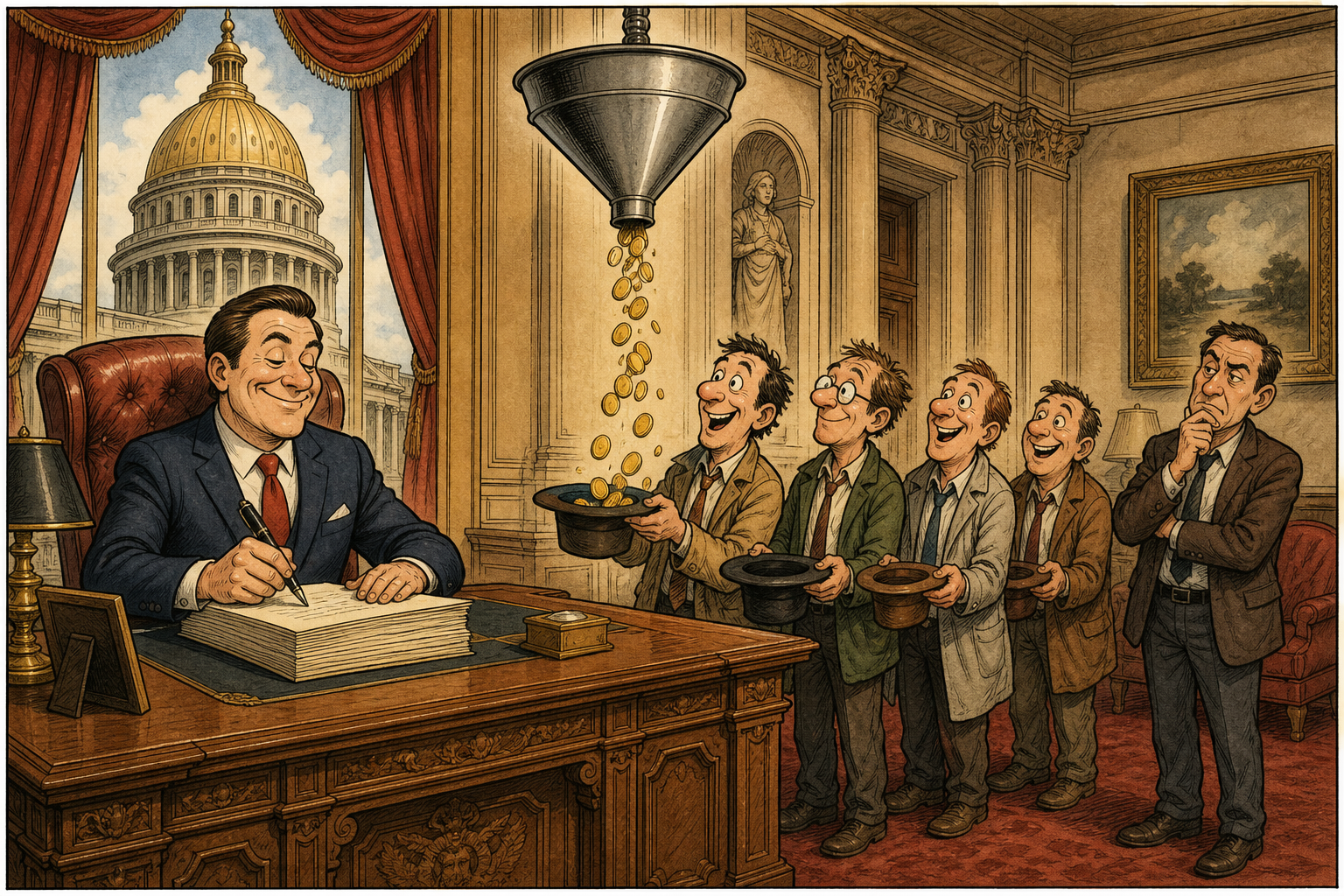
“Then in February, the Mayor appointed six of the nine members of this board. This rebuilt board was required to deliver a rent freeze.”
Christina Smyth, Rent Guidelines Board owner representative, on resigning the morning of the vote
That is the heart of the dispute over the word “independent.” The lone dissenting vote came from public member Arpit Gupta, a finance professor reappointed from the Adams administration, who has argued in print that freezing regulated rents while costs climb pushes the weakest buildings toward distress. The remaining owner representative, Maksim Wynn, voted for the freeze only after lengthy remarks. Mamdani, for his part, framed the board as having weighed the evidence and chosen relief.
The tally — 7–1 in favor, with eight of the nine members present after Smyth’s resignation. The sole “no” was public member Arpit Gupta.
The order — 0% on one-year leases and 0% on two-year leases, effective for leases beginning Oct. 1, 2026 through Sept. 30, 2027.
The board — nine mayor-appointed seats (two tenant, two owner, five public). Mamdani named six, including chair Chantella Mitchell, in February 2026.
For tenants, the benefit is immediate and concrete. Roughly two million New Yorkers in stabilized apartments will pay the same regulated rent next year that they pay now, at a moment when market-rate rents in the city keep setting records. Tenant advocates who packed the hearing called it life-changing. “If it was not for Mamdani winning,” one rent-stabilized tenant, Darryl Randall, told The City, “I don’t think we would have had this.” Another, Sarah Delany, said she felt “ecstatic.”
The counter-case rests on the board’s own research. Its 2026 Price Index of Operating Costs found that the cost of running stabilized buildings rose 5.3% over the prior year — fuel up about 11%, insurance up 10.5% — well above the 2.7% general inflation rate. A freeze holds the revenue line flat while those costs keep climbing. Owner groups argued that the squeeze comes straight out of maintenance. James Whelan, president of the Real Estate Board of New York, said the board “ignored its own data” and that the decision “will mean less investment in maintenance and repairs, accelerating the deterioration of the housing stock.” Ann Korchak of the Small Property Owners of New York warned the freeze would cause “irreparable destruction on affordable housing.”
Rent regulation is one of the few subjects on which the economics profession is unusually lopsided. Jason Furman, who chaired President Obama’s (D) Council of Economic Advisers, has called rent control “about as disgraced as any economic policy in the tool kit.” The canonical study, by Stanford’s Rebecca Diamond and co-authors, found that expanding rent control in San Francisco cut the supply of rental housing by roughly 15% as owners converted or redeveloped units — helping the tenants who stayed put while shrinking the stock for everyone else.
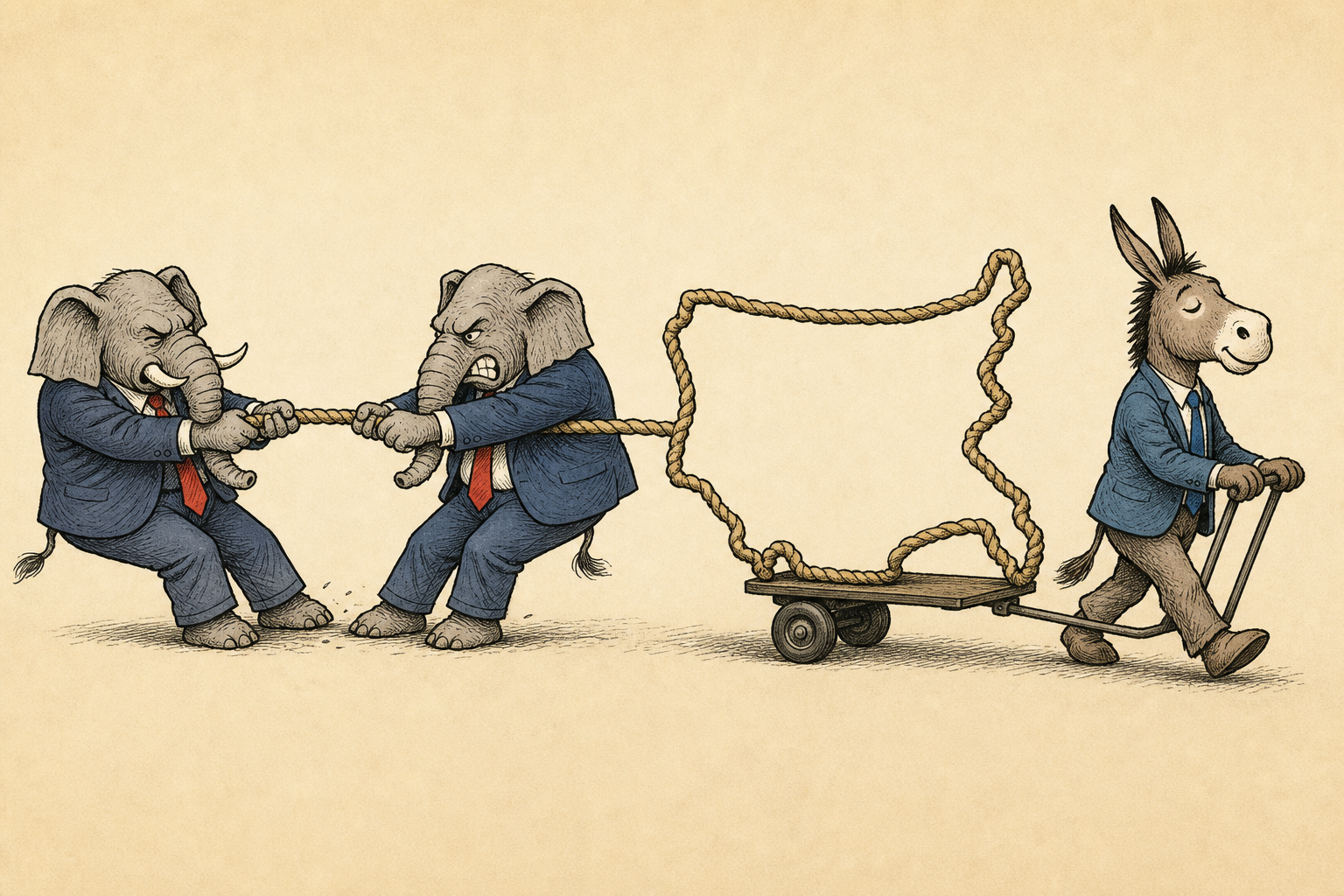
The specific worry with a freeze, as opposed to a small increase, is the gap between flat rents and rising costs. In City Journal, finance professor Arpit Gupta — the board’s dissenting member — estimated that about 10% of rent-stabilized buildings already operate at negative net income, and warned that a freeze deepens the hole, leaving owners with neither the money nor the incentive to keep up aging buildings. He reached for history: Mumbai’s 1947 rent freeze, he wrote, left buildings “so starved of maintenance that many have fallen down.”
Supporters do not concede the point. Writing in City Limits, freeze advocates argued that the stabilized stock is, in aggregate, financially healthier than landlords claim — that most buildings carry comfortable net operating income and can absorb a year of flat rents, and that the genuinely distressed buildings are a minority that needs targeted help, not a reason to raise rents on a million households. The honest reading is that both can be true at once: a freeze is real relief for two million tenants, and a real strain on the thinnest-margin buildings — and which effect dominates is exactly what the next few years will test.
The Communists are finally making their move in New York. Mamdani freezes rents, wrecks the housing, and the Radical Left cheers. This is what they want for the whole Country. Not on my watch!
Paraphrased commentary · not a verbatim post
Trump's general framing of Mamdani and the New York rent freeze — paraphrased and labeled as commentary, not a verbatim post.
New York elected a Communist Lunatic who wants to control everything — your rent, your business, your life. The great people of NYC deserve so much better. Sad!
Paraphrased commentary · not a verbatim post
Trump's recurring 'communist' characterization of Mamdani — paraphrased and labeled as commentary, not a verbatim post.
An honest account keeps two columns. In the first: this is a lawful policy, enacted by a board the mayor is entitled to appoint, fulfilling a promise voters knowingly endorsed, that hands real, immediate relief to two million people in the most expensive rental market in the country. There is no scandal in a politician doing what he said he would do. The freeze is popular for a reason.
In the second column: the board’s own analysts found operating costs rising more than 5% while revenue is pinned at zero; an owner representative resigned calling the vote pre-scripted; the lone economist on the board voted no; and the weight of housing research warns that freezes, over time, can erode maintenance and shrink supply — the precise affordability problem they are meant to solve. None of that makes the freeze illegitimate. It makes it a bet — on the proposition that New York’s stabilized buildings can carry two years of flat rents without sliding into the disrepair economists fear. The receipts on that bet come due later.
Mayor Zohran Mamdani (D) campaigned on three words and, six months into office, made them policy: the Rent Guidelines Board he largely appointed voted 7–1 to freeze rents on roughly one million stabilized apartments — the first two-year freeze in the city’s history, effective October 2026. For two million tenants, it is concrete relief. For the buildings they live in, it is a wager against the board’s own cost data and against a near-consensus of housing economists, who warn that frozen rents on aging stock can mean deferred repairs and thinning supply. We’ll track what comes next: building-finance data, maintenance and violation rates, and whether the relief of today becomes the disrepair the critics predict — or proves them wrong.
- 1.The Hill — 'NYC mayor Zohran Mamdani's rent freeze passes for 1 million units,' June 25, 2026 (primary outlet; 7-1 vote, Mamdani named 6 of 9 board members)
- 2.NYC Rent Guidelines Board — '2026 Price Index of Operating Costs' (PRIMARY: operating costs for stabilized buildings rose 5.3%; fuel +11%, insurance +10.5%)
- 3.NYC Rent Guidelines Board — 'An Introduction to the NYC Rent Guidelines Board and the Rent Stabilization System' (PRIMARY: 9 mayor-appointed members — 2 tenant, 2 owner, 5 public — set adjustments annually)
- 4.Gothamist — 'NYC Rent Guidelines Board approves 2-year rent freeze, fulfilling Mamdani campaign pledge,' June 25, 2026 (0% on one- and two-year leases, Oct. 1, 2026–Sept. 30, 2027; cost data)
- 5.amNewYork — 'Rent Guidelines Board votes to freeze the rent, fulfilling Mamdani campaign promise,' June 26, 2026 (vote 7-1; Chair Chantella Mitchell; owner rep Maksim Wynn; REBNY's James Whelan)
- 6.The City — 'Fulfilling His Promise, Mamdani's Rent Board Votes Through Stabilized Rent Freeze,' June 25, 2026 (board structure; Christina Smyth resignation; tenant and small-owner reactions)
- 7.Fox Business — 'Mamdani celebrates rent freeze for stabilized housing as board member quits, blasts vote process,' June 26, 2026
- 8.Washington Examiner — 'Panel approves Mamdani's rent freeze for nearly 1 million NYC apartments,' June 2026 (the ~1M units are 40%+ of all apartments citywide)
- 9.ABC7 New York — 'Final Rent Guidelines Board vote approves 2-year freeze, fulfilling Mayor Mamdani's campaign pledge,' June 25, 2026
- 10.Time — 'Mamdani's Promised Rent Freeze Approved in New York: What to Know,' June 26, 2026
- 11.NY1 (Spectrum News) — 'Rent Guidelines Board freezes rents, marking win for Mamdani,' June 25, 2026
- 12.City Journal — Arpit Gupta, 'The High Cost of New York's Rent Freeze' (critique: ~10% of stabilized buildings run negative net income; Mumbai 1947 freeze; deferred maintenance). Gupta also cast the board's lone dissenting vote.
- 13.City Limits — 'Opinion: The Economic Case for a Rent Freeze' (supporters' argument that most stabilized buildings are financially healthy enough to sustain a freeze)
- 14.Diamond, McQuade & Qian, 'The Effects of Rent Control Expansion on Tenants, Landlords, and Inequality' (American Economic Review, 2019) — SF rent-control expansion cut rental supply ~15% (cited widely in the freeze debate)
Last updated June 26, 2026