
Fireworks Lured Officers Outside an ICE Facility. Someone Opened Fire.
A Federal Jury Called It Terrorism — and Gave the Shooter 100 Years.
Just before 11 p.m. on July 4, 2025, a group of ten to twelve people set off fireworks and spray-painted vehicles outside the Prairieland Detention Center, an ICE facility in Alvarado, Texas. Federal prosecutors say it was a diversion to draw officers into the open. It worked: when Alvarado Police Lt. Thomas Gross responded, someone opened fire from the tree line, hitting him in the neck. Twenty to thirty rounds went off in under a minute before the shooters fled.
Eleven people were charged within days. The case grew to at least twenty-two. On March 13, 2026, a federal jury convicted eight defendants of providing material support to terrorists — the first such convictions tied to activity prosecutors branded a “North Texas Antifa Cell,” a label the defendants dispute — and one of them, Benjamin Hanil Song, was also found guilty of attempted murder for shooting Gross. He was sentenced to 100 years. Seven co-defendants received 30 to 70 years. A ninth trial defendant was acquitted of the terrorism counts and convicted only of a lesser, non-terrorism charge.
Defendants and their lawyers say the record is being flattened into a political narrative — that this was a “peaceful noise demonstration” that a shooter turned violent, not a coordinated ambush. This page sources every figure to Justice Department press releases and the Texas outlets that covered the trial and sentencing gavel to gavel, and uses “convicted” or “pleaded guilty” only for the specific people the record supports.
- 100 years — sentence for Benjamin Hanil Song, convicted of attempted murder of Lt. Thomas Gross and providing material support to terrorists · Source: DOJ; Fox News
- 8 of 9 — trial defendants convicted of material support to terrorists (18 U.S.C. § 2339A); the ninth, Daniel Rolando Sanchez-Estrada, was convicted only of concealing documents · Source: CBS News Texas; DOJ
- 20–30 rounds — fired at officers in roughly one minute after fireworks drew them outside the gate, per prosecutors · Source: Police1; DOJ
- 450 years — combined sentence for the first eight defendants sentenced June 23, 2026; a ninth trial defendant's later sentence brought the trial group's total to 500 · Source: DOJ; NBC 5 DFW
- At least 22 — people charged in federal or state court in the case as of July 2026, per U.S. Attorney Ryan Raybould · Source: KERA News; Al Jazeera
At roughly 10:37 p.m. on July 4, 2025, a group of ten to twelve people gathered outside the Prairieland Detention Center, a U.S. Immigration and Customs Enforcement facility in Alvarado, Texas, about 30 miles south of Fort Worth. They set off fireworks and spray-painted parked vehicles and a guard structure with slogans including “ICE pig” and “traitor.” Federal prosecutors would later call the fireworks a “diversion” — a way to draw ICE personnel into the open.
It worked. ICE officers called 911, and two unarmed correctional officers stepped outside around 10:58 p.m. When Alvarado Police Lt. Thomas Gross arrived roughly a minute later, someone in dark clothing and a mask opened fire from a wooded area. Body-camera audio captured Benjamin Hanil Song yelling “get to the rifles!” moments before the shooting began; prosecutors said 20 to 30 rounds were fired in under a minute. Gross was struck by a round that entered his shoulder and exited near his neck. He was airlifted to a Fort Worth hospital and released within a day. Investigators recovered an AR-style rifle nearby with a jammed action.
“Make no mistake — this was not a so-called peaceful protest. It was indeed an ambush.”
Acting U.S. Attorney Nancy Larson, Northern District of Texas, days after the shooting, July 2025
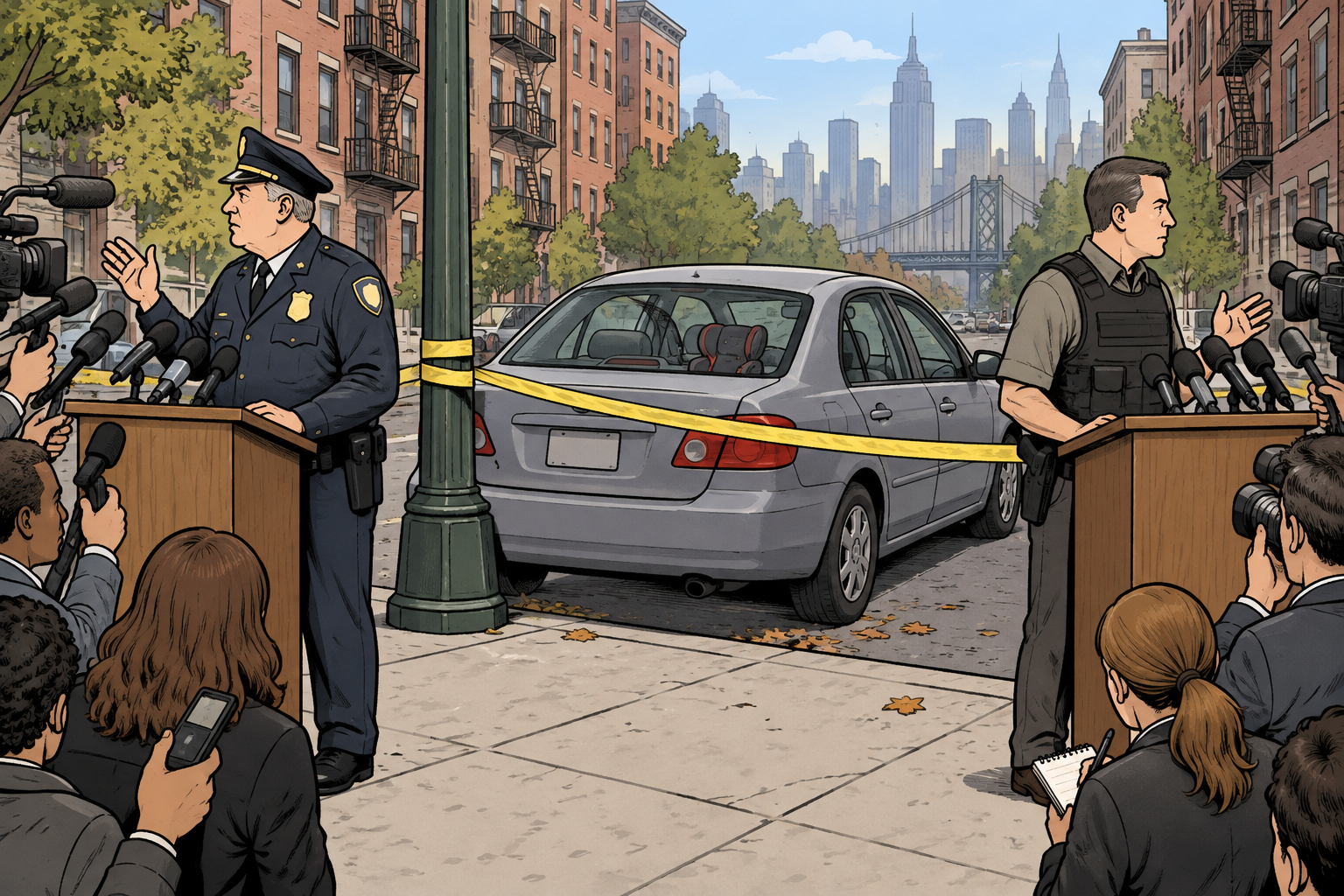
Within days, federal prosecutors filed charges against eleven people. Ten — Cameron Arnold, Savanna Batten, Nathan Baumann, Zachary Evetts, Joy Gibson, Bradford Morris, Maricela Rueda, Seth Sikes, Elizabeth Soto, and Ines Soto — faced counts of attempted murder of federal officers and discharging a firearm in furtherance of a crime; an eleventh defendant was charged with obstruction. Song, whom prosecutors identified as the shooter, evaded arrest for eleven more days before he was captured on July 15, 2025. Two of the original defendants were later identified in court records and news coverage under different names — Arnold as Autumn Hill and Morris as Meagan Morris — the names used for the remainder of the case, and in this story.
The case did not stay at eleven. Investigators arrested several more people in the days after the shooting on charges of helping Song hide or evade capture, including John Phillip Thomas, Rebecca Morgan, Lynette Sharp, Susan Kent, and Daniel Rolando Sanchez-Estrada. In October 2025, Attorney General Pam Bondi announced the first federal terrorism charges tied to activity prosecutors branded a “North Texas Antifa Cell,” filed against two more suspects; Janette Goering, the 18th person arrested in connection with the case, was taken into custody on a state charge that October 21, a nineteenth person was arrested that January, and three more arraignments in May 2026 pushed the total past twenty. By July 2026, according to U.S. Attorney Ryan Raybould, at least twenty-two people had been charged in federal or state court in connection with the case.
Two days after the shooting, Deputy Attorney General Todd Blanche said the department had “zero tolerance” for assaults on federal officers or property, warning that “offenders will feel the full weight of the DOJ when caught and prosecuted.” DHS ordered increased security at ICE facilities nationwide in the shooting’s wake.
Ten people now face attempted-murder charges after a shooting outside the Prairieland ICE detention center in Alvarado left a police officer wounded. An eleventh suspect faces obstruction charges; the accused shooter remains at large.
The case against nine defendants — Song, Rueda, Hill, Evetts, Batten, Morris, Elizabeth Soto, Ines Soto, and Sanchez-Estrada — went to trial in Fort Worth on February 23, 2026. Over twelve days, jurors heard from more than 45 witnesses and considered over 210 exhibits, including body-camera footage of the shooting and encrypted Signal messages prosecutors said showed the group discussing firearms and police tactics beforehand.
On March 13, 2026, the jury returned its verdict. Eight of the nine — Song, Rueda, Hill, Evetts, Batten, Morris, and both Sotos — were found guilty of providing material support to terrorists under 18 U.S.C. § 2339A, along with riot and conspiracy-to-use-explosives counts. Song alone was also convicted of the attempted murder of Lt. Gross and multiple firearm-discharge counts; the jury acquitted the other seven of the attempted-murder charges filed against them specifically. The ninth defendant, Daniel Rolando Sanchez-Estrada, was acquitted of the terrorism-related counts and convicted only of corruptly concealing documents and conspiracy to conceal documents — a materially different, and lesser, verdict that headlines describing “nine convicted” or “eight convicted” tend to blur.
Benjamin Hanil Song: guilty of material support to terrorists, riot, explosives conspiracy, attempted murder of Lt. Thomas Gross, and firearm discharge. Sentenced 100 years, June 23, 2026.
Maricela Rueda: guilty of material support, riot, explosives conspiracy, and a document-concealment conspiracy; acquitted of attempted murder. 70 years.
Autumn Hill, Zachary Evetts, Savanna Batten, Meagan Morris, Elizabeth Soto: each guilty of material support, riot, and explosives conspiracy; each acquitted of attempted murder. 50 years apiece.
Ines Soto: guilty of material support, riot, explosives conspiracy, and use/carry of explosives. 50 years, sentenced separately July 1, 2026.
Daniel Rolando Sanchez-Estrada: acquitted of the material-support and terrorism counts; guilty only of concealing documents and conspiracy to conceal documents. 30 years.
Nathan Baumann, Seth Sikes, Joy Gibson, Lynette Sharp, John Phillip Thomas, Rebecca Morgan, Susan Kent: pleaded guilty to material support to terrorism for lesser roles, including helping Song evade capture; sentenced 22 months to 15 years between June 23 and July 6, 2026. Three of them — Baumann, Sikes, and Gibson — had originally been charged with attempted murder alongside the trial group; their pleas resolved those charges in favor of the lesser count.
Appeal: all nine trial defendants have filed notices of appeal to the U.S. Fifth Circuit. Their convictions are not yet final.
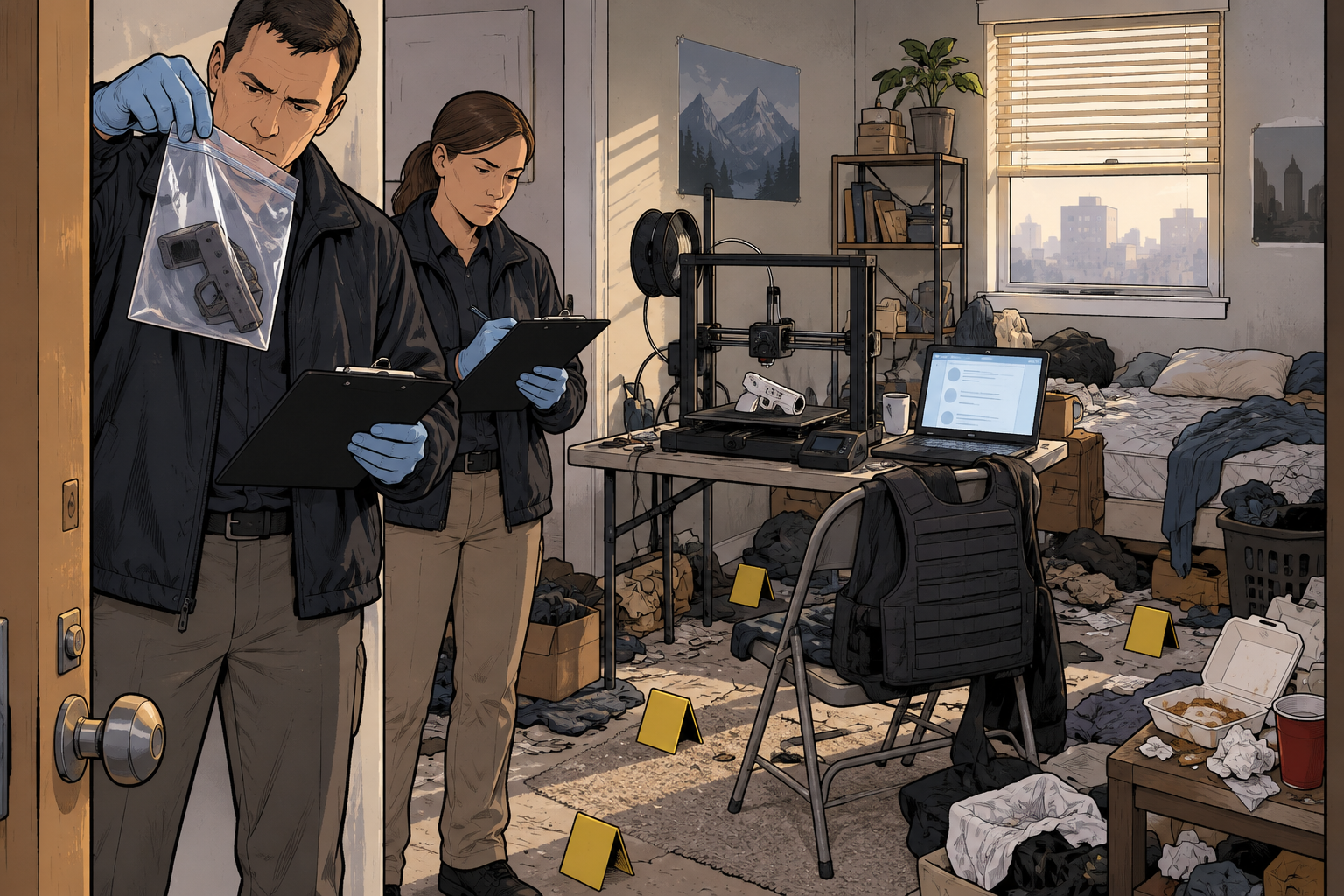
Sentencing stretched over two weeks. On June 23, 2026, U.S. District Judge Reed O’Connor sentenced the first eight defendants in Fort Worth, calling the attack “an assault on democracy.” Song received the maximum: 100 years. Rueda received 70; Hill, Evetts, Batten, Morris, and Elizabeth Soto each received 50; Sanchez-Estrada received 30 for the document-concealment counts. The Justice Department put the combined total at 450 years. Assistant U.S. Attorney Frank Gatto had argued for the harshest sentences available, telling the court the defendants held extremist beliefs and “believe violence is justified.”
Ines Soto, the ninth trial defendant, was sentenced separately on July 1, 2026, to 50 years — bringing the trial group’s combined total to 500. The same day, six defendants who had pleaded guilty to lesser roles were sentenced to terms of 22 months to 15 years. A seventh, Susan Kent, 24, was sentenced July 6, 2026 to six years for helping Song evade capture — the final defendant sentenced in the case’s federal district-court phase, though all nine trial defendants have since filed their appeals.
None of the defendants dispute that fireworks were set off, that vehicles were vandalized, or that shots were fired that wounded a police officer. What they dispute is intent and premeditation. Defense attorneys told jurors the group had gathered for a “noise demonstration” — a protest style built around fireworks, chanting, and drumming — and that anyone carrying a firearm did so for lawful self-defense, not as part of a planned ambush. Sufia Khalid, deputy director of the National Security Criminal Defense Center and an attorney for one of the defendants, argued the prosecution’s theory would let the government label “anyone engaged in basic protests with the wrong political beliefs” a domestic terrorist “when they have no intention of violence, not engaged in any violence.” National Lawyers Guild interim president Suzanne Adely said the case shows how far the government will go “to squash” political opposition.
Legal experts flagged a narrower point that got less attention than the “antifa” framing prosecutors used at every press conference: the statute the eight were actually convicted under does not require proving terroristic intent — only that they assisted a qualifying federal crime, such as the attempted murder or property destruction charged elsewhere in the case. Tom Brzozowski, a former DOJ counsel for domestic terrorism, told KERA News prosecutors used the case to “concentrate” a broader political narrative into the trial even though the word “antifa” appears only once across the jury instructions; the presiding judge at one point asked prosecutors, “Whether it’s antifa or the Methodist Women’s Auxiliary of Weatherford, why does it matter?”
The Trump administration treated the verdict as vindication of a broader campaign. Attorney General Pam Bondi called antifa “a domestic terrorist organization that has been allowed to flourish in Democrat-led cities — not under President Trump,” and said the March verdict “will not be the last as the Trump administration systematically dismantles Antifa and finally halts their violence on America’s streets.” FBI Director Kash Patel said the bureau “remains committed to identifying, locating, and dismantling Antifa and its funding networks across the country.” President Trump (R) highlighted the eight defendants’ combined 450-year sentence in a Truth Social post celebrating the outcome.
Antifa is a domestic terrorist organization that has been allowed to flourish in Democrat-led cities — not under President Trump. Today's verdict on terrorism charges will not be the last as the Trump administration systematically dismantles Antifa.
Terrorists who target our agents will face the full force of federal law. The FBI remains committed to identifying, locating, and dismantling Antifa and its funding networks across the country.
Great result in Texas — 450 years for eight Antifa radicals who ambushed law enforcement outside an ICE facility. My Justice Department will keep dismantling Antifa wherever it hides. Nobody shoots at our officers and gets away with it!
Paraphrased commentary · not a verbatim post
Trump's framing of the June 23, 2026 sentencing — paraphrased and labeled as commentary, not a verbatim post.
Texas Attorney General Ken Paxton (R-TX) folded Prairieland into a broader state investigation. In October 2025 he announced undercover operations to “infiltrate and uproot leftist terror cells,” citing both the Alvarado shooting and a separate shooting two months later at a Dallas ICE field office as justification. That second case — the September 24, 2025 shooting in which Joshua Jahn fired from a rooftop into the Dallas facility’s sally port, killing two detainees and wounding a third before killing himself — is unrelated to Prairieland: a lone gunman with no co-defendants and no confirmed political affiliation, whom investigators never tied to the Alvarado case or to antifa. In February 2026, Paxton opened a records investigation into a Houston anti-fascist group, the Screwston Anti-Fascist Committee, citing an alleged Prairieland connection; his office did not identify any Screwston-affiliated defendants among those actually charged in the case.
What happened outside that ICE facility on the Fourth of July was an ambush on law enforcement, not a protest. We are increasing security at ICE facilities nationwide, and this rhetoric aimed at our officers has to stop.
Paraphrased commentary · not a verbatim post
DHS Secretary Kristi Noem's public comments in the days after the shooting — paraphrased and labeled as commentary, not a verbatim post.
First Amendment advocates have warned the sentences could chill protest activity broadly, not only among people who describe themselves as antifa — a concern distinct from, but related to, the government’s insistence that these particular convictions rest on documented conduct: fireworks used as a lure, an AR-style rifle fired at a responding officer, and a Signal chat log prosecutors said showed the group discussing tactics for confronting law enforcement in advance.

A federal officer was shot in the neck outside a Texas ICE facility on a night fireworks were used to draw him into the open. Eight defendants were convicted of providing material support to terrorists for that night; the shooter, Benjamin Hanil Song, drew a 100-year sentence on top of an attempted-murder conviction. A ninth trial defendant was acquitted of the terrorism-related counts and convicted only of concealing documents — a distinction the loudest coverage on both sides tends to erase. Seven more pleaded guilty to lesser roles. All nine trial defendants are appealing. The Trump administration has made the case a centerpiece of its campaign against antifa; the defendants say they were at a peaceful demonstration that a shooter turned violent. Both things can be argued about a case built on gunfire outside a federal facility — neither changes what the jury actually found, count by count.