The Judge Flinched, the Boyfriend Confessed on Tape, and Erika Kirk Was Told No:
Inside the Tyler Robinson Evidence Hearing
For five days in a Provo, Utah courtroom, prosecutors laid out the evidence they say ties Tyler Robinson, 23, to the September 10, 2025 assassination of Turning Point USA founder Charlie Kirk on the campus of Utah Valley University. Robinson is charged, not convicted. He has entered no plea on the merits. He is presumed innocent, and the hearing that ran July 6 through July 10, 2026 before Judge Tony Graf in the 4th District Court decides only whether the state's evidence clears the low bar of probable cause — not whether Robinson is guilty.
What emerged over those five days was still extraordinary. On Day 1, Graf was the only person in the courtroom permitted to watch closely filmed video of the shooting — and he visibly flinched when the shot rang out, a reaction captured on the court's own camera and circulated nationally within a day. On Day 4, Lance Twiggs, Robinson's former romantic partner and roommate, testified via a recorded law-enforcement interview that Robinson confessed to him twice — first in a note and a text message, then in person. And on Day 3, Charlie Kirk's widow, Erika Kirk, asked the court to make every piece of evidence public. Graf said no.
This page sources every figure, quote, and ruling below to the outlets that covered the hearing gavel to gavel, uses “alleged” and “prosecutors say” throughout, and treats Jonathan Turley's outside legal commentary as commentary — not as anything Judge Graf has found or ruled.
- 37 minutes — length of the recorded Lance Twiggs interview played in court as alleged-confession evidence, with 16 minutes redacted before playback · Source: Legal Insurrection; Washington Examiner
- Twice — the number of times prosecutors say Robinson confessed to Twiggs — first in a note and a text, then in person the next day · Source: RedState
- 4 days — of testimony before the state rested its case, July 6–9, 2026; a fifth day of defense testimony followed July 10 · Source: RedState; CBS News
- Denied — Judge Tony Graf's ruling on Erika Kirk's motion to publicly display every admitted hearing exhibit · Source: Legal Insurrection; TMZ; ABC4
- Sept. 1, 2026 — date set for oral arguments on probable cause; no trial date has been scheduled · Source: RedState
Tyler Robinson, 23 — the defendant, charged with capital murder in Charlie Kirk's death. Presumed innocent; no plea entered on the merits.
Judge Tony Graf — 4th District Court, Provo, presiding over the preliminary hearing and deciding the probable-cause question.
Chad Grunander — Chief Deputy Utah County Attorney, lead prosecutor.
Kathryn Nester — lead defense counsel, with Richard Novak and Michael N. Burt as co-counsel.
Lance Twiggs — Robinson's former romantic partner and roommate in St. George, Utah; testified under a grant of use immunity.
Brian Davis — Utah SBI agent who introduced the Twiggs recording and text evidence.
Jennifer Faumuina — Utah SBI sergeant who testified to surveillance and DNA evidence.
Jeff Neiman — attorney for the Kirk family; filed the motion to make all evidence public.
Erika Kirk — Charlie Kirk's widow, CEO of Turning Point USA.
Jonathan Turley — outside legal analyst, not a party to the case; his commentary is opinion, not a court finding.
Sept. 10, 2025: Charlie Kirk is shot and killed at a Turning Point USA event on the Utah Valley University campus.
Sept. 11, 2025: Tyler Robinson surrenders to authorities in Utah around 9 p.m. local time.
July 6, 2026 (Day 1): Judge Graf alone views closely filmed video of the shooting; his reaction is captured on the court camera.
July 7, 2026 (Day 2): Utah SBI Sergeant Jennifer Faumuina testifies on surveillance and DNA evidence; the flinch clip circulates publicly.
July 8, 2026 (Day 3): Erika Kirk's motion to publicly display all evidence is filed and denied.
July 9, 2026 (Day 4): A redacted recording of Lance Twiggs's interview is played; the state rests.
July 10, 2026 (Day 5): The defense's final witness testifies; Judge Graf orders written probable-cause briefs instead of closing arguments.
Sept. 1, 2026: Oral arguments on probable cause, 10 a.m. No trial date has been scheduled.
The hearing opened July 6, 2026 with lead prosecutor Chad Grunander, Chief Deputy Utah County Attorney, presenting the state's opening evidence to Judge Tony Graf, while lead defense counsel Kathryn Nester and co-counsel Richard Novak and Michael N. Burt represented Robinson. Among the exhibits offered that day was video of the shooting itself, filmed from close behind Kirk. According to multiple outlets that covered the hearing, Graf ruled that he alone would view the footage in court — the audio was muted, out of what the court described as sensitivity to the Kirk family — and that the video would not be published to the courtroom gallery or broadcast online.
What the court's own camera did capture was Graf's reaction. As the footage reached the moment of the shot, Graf visibly flinched — jolting in his chair, per multiple accounts of the courtroom feed. The video itself stayed sealed. The judge's reaction did not. Robert and Kathryn Kirk, Charlie Kirk's parents, sat in the courtroom gallery for the proceedings, coming face to face with Robinson for the first time since the shooting.
The clip of Graf's reaction circulated publicly on July 7 after Brandon Tatum, a friend of Kirk's and a former Tucson police SWAT officer, posted it. His caption: “This may have been the most difficult moment of today's hearing. The judge visibly flinched as footage of Charlie Kirk being shot was shown in court… Praying for Erika and Charlie's family.” The clip does not show the shooting — only the judge's face and posture as he watched something the public still has not seen.
“This may have been the most difficult moment of today's hearing. The judge visibly flinched as footage of Charlie Kirk being shot was shown in court… Praying for Erika and Charlie's family.”
Brandon Tatum, friend of Charlie Kirk and former Tucson SWAT officer, July 7, 2026
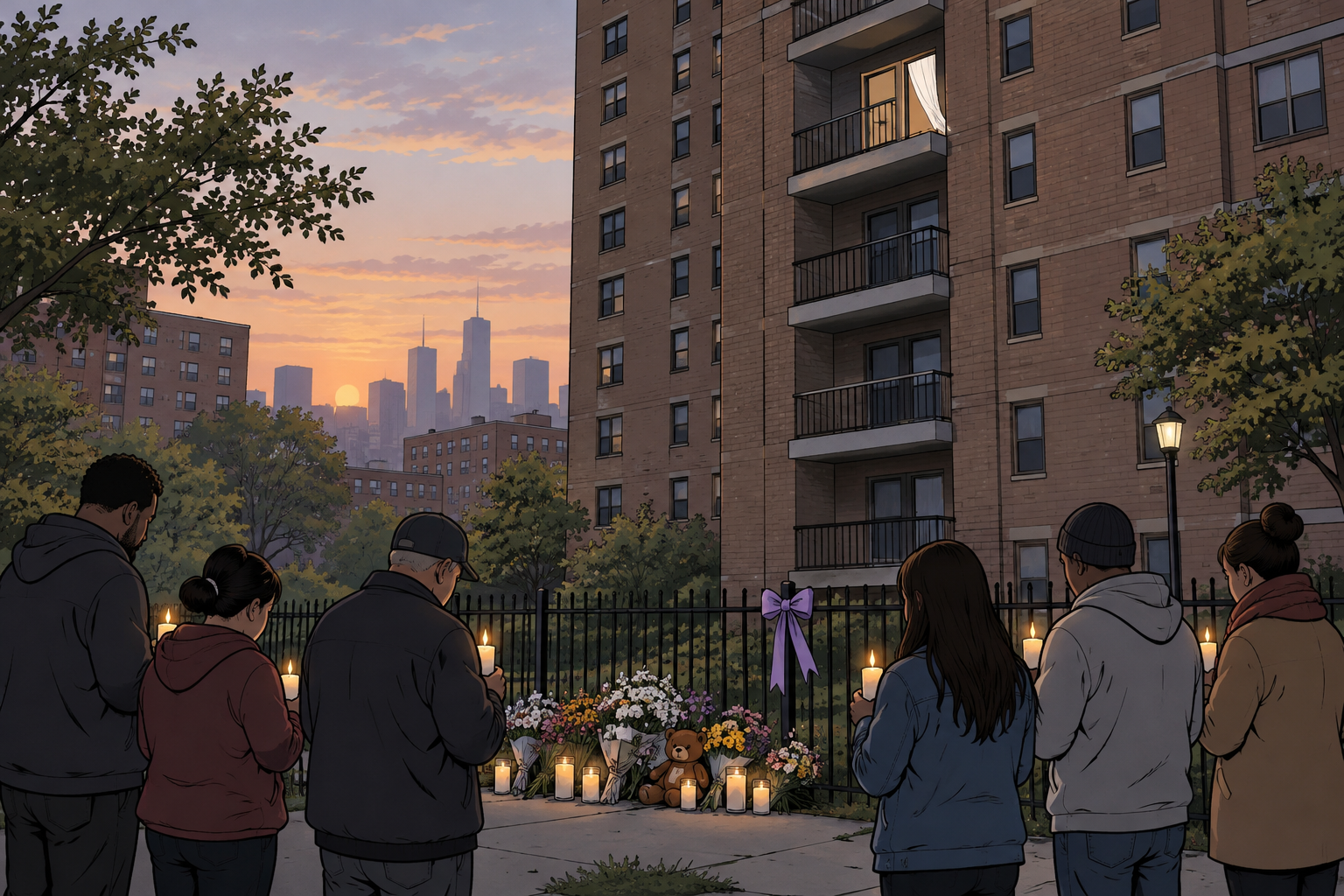
Turning Point USA streamed hearing updates throughout the week via Charlie Kirk's account, part of a broader push by the organization Kirk founded to keep the case in public view even as the court withheld the underlying evidence. On Day 2, July 7, prosecutors turned to physical evidence: Utah SBI Sergeant Jennifer Faumuina testified about surveillance footage and DNA analysis investigators say connects Robinson to the rooftop firing position and the recovered rifle, laying the physical-evidence groundwork the state would build on for the rest of the week.
This is hearing week for Tyler Robinson's case. Four days of testimony are scheduled in Provo before Judge Tony Graf on whether the state has enough evidence to send this to trial. We'll be covering it as it happens.
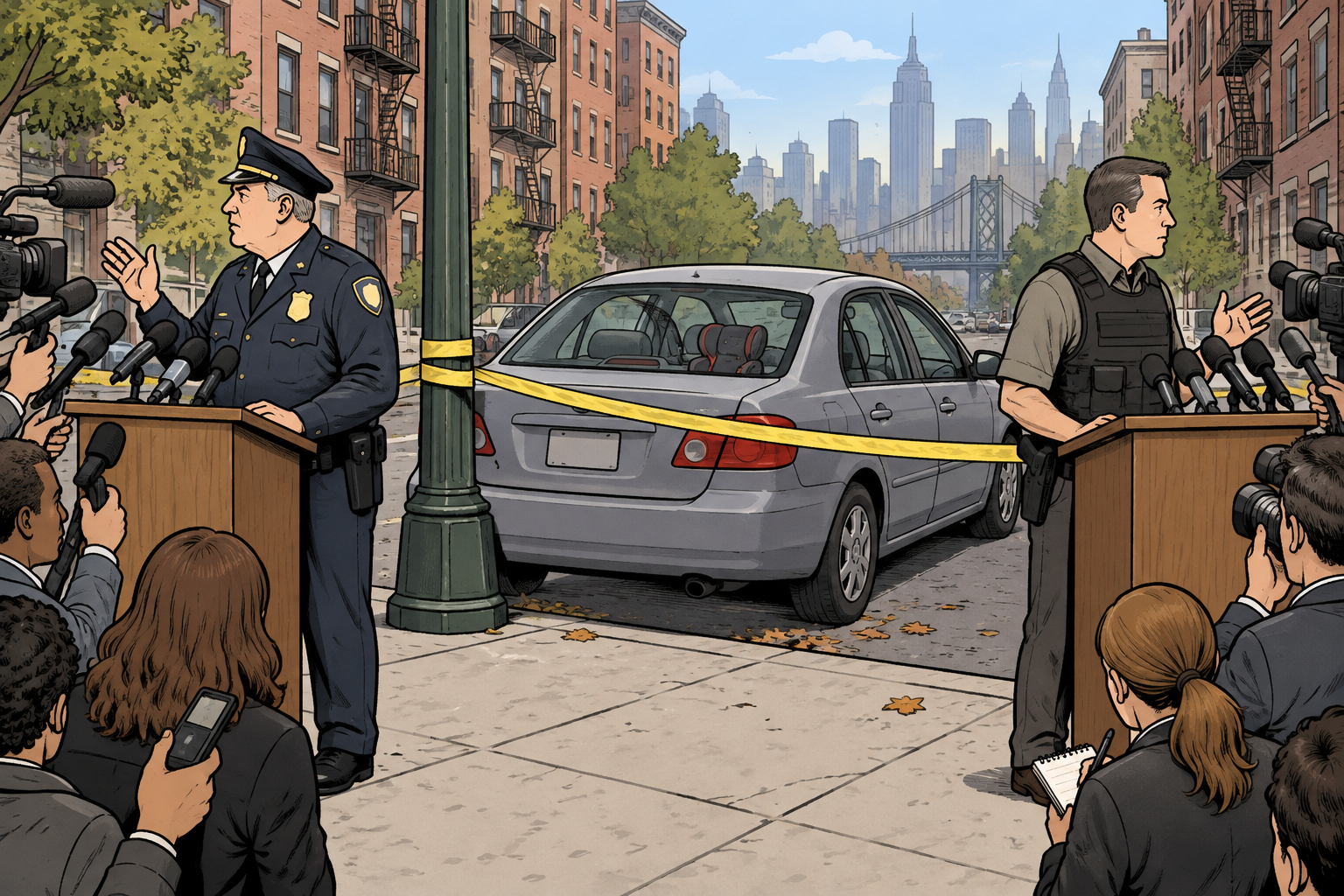
The hearing's most consequential testimony came on Day 4, July 9, from Lance Twiggs, Robinson's former romantic partner and roommate in St. George, Utah. Twiggs was granted use immunity in exchange for cooperating with investigators, and testified through a recorded law-enforcement interview rather than live questioning. In it, according to prosecutors, Twiggs described Robinson confessing to him twice: once in writing and by text message, and again in person the next day.
The first alleged confession, per testimony, was a handwritten note Robinson left under Twiggs's keyboard, addressed using a nickname, “Luna,” that Robinson reportedly used for Twiggs. According to reporting on the note's contents: “I left the house this morning on a mission… I had the opportunity to take out Charlie Kirk, and I took it.” The same day, prosecutors say, Robinson texted Twiggs: “I am, I'm sorry.” and “I had enough of his hatred. Some hate can't be negotiated out.”
A second text, read into the record, reads: “I'm still okay, my love, but I'm stuck in Orem for a little while longer yet… I had hoped to keep this secret till I died of old age. I am sorry to involve you.” Twiggs told investigators that Robinson confessed again in person the day after the shooting. “He was walking around a lot,” Twiggs said in the recorded interview. “He started crying a little bit and says he wishes he hadn't done it.”
“He was walking around a lot. He started crying a little bit and says he wishes he hadn't done it.”
Lance Twiggs, in his recorded law-enforcement interview, describing Robinson's alleged in-person confession
Prosecutors also entered Discord messages into the record alongside the note and the texts — additional documentary material the state says is consistent with the same alleged confession — before resting their case on July 9. Outlets covering the hearing have described Twiggs variously as Robinson's “boyfriend,” “roommate,” and “former lover”; this page uses “former romantic partner and roommate” throughout to describe the same person and the same relationship.
The use-immunity grant that got Twiggs on the record matters to how this testimony should be read. Use immunity protects a witness from having their own statements used against them in a future prosecution — it is not a grant of blanket immunity from all charges, and it does not, on its own, make a witness's account true. It is the tool prosecutors reach for when a witness has information they need but that witness has reason to fear self-incrimination; it explains why Twiggs, who lived with Robinson and would otherwise have obvious motive to say as little as possible, agreed to sit for a recorded interview investigators later played in open court.
Prosecutors just walked through the text messages between Tyler Robinson and Lance Twiggs from the day of the shooting. This is some of the most direct evidence presented so far in the hearing.
The Twiggs recording did not reach the courtroom without a fight. Utah SBI Agent Brian Davis was the state's witness for introducing it, reading and playing portions of the text exchange and the roughly 37-minute recorded interview. Before any of it played, defense attorney Richard Novak raised constitutional concerns about broadcasting what he characterized as, in effect, a pretrial confession — arguing that airing the full recording risked prejudicing Robinson's right to a fair trial before a jury had even been selected.
Judge Graf ordered 16 minutes of the recording redacted, and prosecutors delayed playback by a day to comply with the ruling before the redacted version was played for the court. The fight over the recording — not just its contents — became its own storyline inside the hearing, illustrating the tension running through all five days: prosecutors pushing to put as much of their evidence as possible on the public record, and the defense pushing back on how much of it should be broadcast before Robinson has even been ordered to stand trial.
Novak's objection was not a claim that the recording was fabricated or inadmissible outright — it was narrower than that, and it is the same objection defense attorneys raise in nearly every high-profile prosecution: that broadcasting the state's most damaging evidence to a national audience before trial risks tainting the eventual jury pool. A preliminary hearing decides only probable cause, not guilt, but its exhibits and testimony are already public record in most respects; the 16-minute redaction was Graf's attempt to balance that public-record principle against Robinson's Sixth Amendment right to an impartial jury later in the case.
Outside the courtroom, the hearing became national news-panel fodder. On Fox News's The Five, hosts walked through the week's testimony, including the Twiggs recording and the fight over what portions of it the public would hear. Legal analyst Jonathan Turley, an outside commentator with no role in the case, was separately quoted calling the evidence of political motivation “overwhelming.” Turley's assessment is his own legal commentary — not a finding by Judge Graf, who has issued no ruling on motive, intent, or guilt at any point in the hearing.
SBI Agent Brian Davis just walked the court through the timeline of messages, including the Discord note, tying Tyler Robinson to the confession Lance Twiggs described. Judge Graf ordered 16 minutes of the recording redacted before it could be played.
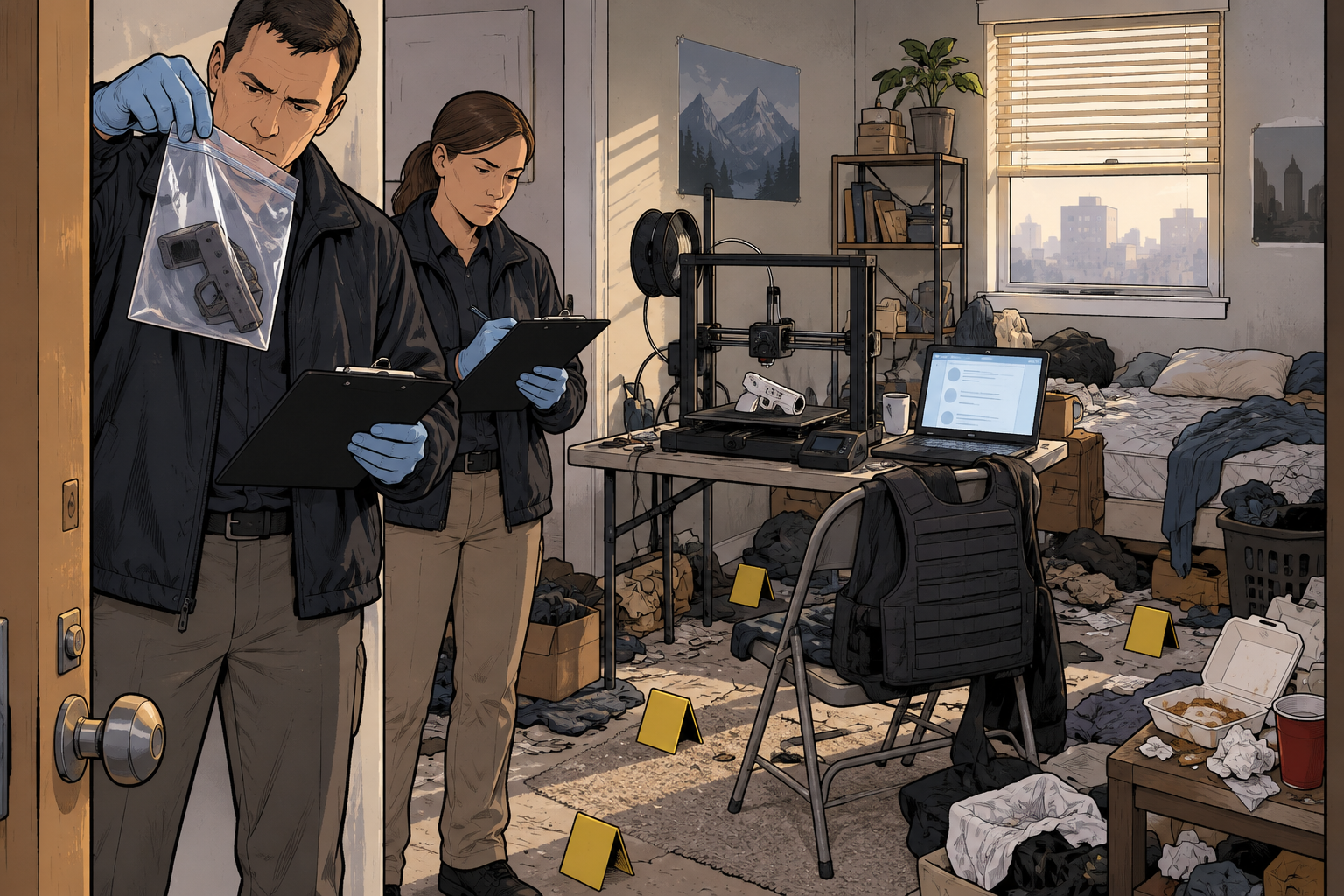
A day before the Twiggs recording was resolved, Erika Kirk — Charlie Kirk's widow and CEO of Turning Point USA — pressed the court to open up everything it had kept back. On Day 3, July 8, family attorney Jeff Neiman filed a motion asking Judge Graf to require that every exhibit admitted into evidence be displayed in real time to everyone lawfully present in the courtroom, and to retroactively republish exhibits from Days 1 through 3 that had been withheld from public view — a request that would have covered the shooting video Graf alone had watched two days earlier.
“The Kirk family believes strongly that if the evidence is being admitted in this preliminary hearing, it should be made public for the world to see. No redactions,” Neiman told the court. He argued that withholding evidence “will create doubt and distrust in the judicial system.”
“The Kirk family believes strongly that if the evidence is being admitted in this preliminary hearing, it should be made public for the world to see. No redactions.”
Jeff Neiman, attorney for the Kirk family, in the July 8, 2026 motion
Judge Graf denied the motion. He kept the court's existing three-tiered method for handling evidence in place rather than replacing it with the blanket public-display rule the Kirk family requested.
Tier one: is the exhibit admitted into evidence for probable-cause purposes at all?
Tier two: if admitted, is it shown to the courtroom gallery?
Tier three: if shown to the gallery, is it published via camera to the public outside the courtroom?
Graf said the ruling was not meant to diminish the Kirk family's concerns, but to protect Robinson's right to a fair trial — the same fair-trial concern Novak had raised a day later over the Twiggs recording.
The denial left the hearing's most striking piece of withheld evidence — the shooting video Graf alone watched on Day 1 — sealed. It also set the pattern the court followed for the rest of the week: exhibits could be admitted, discussed, and even read aloud in detail, as Agent Davis did with the Twiggs recording, without being shown or broadcast in full to the public.
The distinction Neiman's motion was really asking the court to erase — between an exhibit being admitted, being shown to the gallery, and being broadcast to the public — is not unique to this case; it is a standard tool trial courts use to manage the difference between a proceeding's evidentiary record and the outside world's access to it. What made Erika Kirk's request notable was that she was asking the court to collapse all three tiers into one, retroactively, in the middle of an active hearing. Graf's refusal kept those tiers intact for the remainder of the week, which is why the shooting video shown only to him on Day 1 stayed sealed even after the Day 3 motion, and why the Twiggs recording was ultimately played only in its 16-minutes-redacted form.
The state rested its case on July 9. On July 10, the defense called its last witness — but instead of closing arguments, Judge Graf ordered both sides to submit written briefs on whether the evidence meets the probable-cause standard, rather than argue the point live in court. Written briefing in place of live closing arguments is not unusual in a case with a record this large; it gives both Grunander's and Nester's teams time to marshal five days of testimony, hundreds of pages of transcript, and the disputed recording into a single document Graf can weigh methodically rather than respond to on the spot. Oral arguments on probable cause are scheduled for September 1, 2026, at 10 a.m. No trial date has been set; that decision waits on Graf's ruling following those arguments.
As this site reported in June, Robinson's case had already moved slowly by the time this hearing began — nine months in, with no plea entered and repeated defense motions to delay the proceedings. The five days of testimony recounted here did not change that posture: no plea, no trial date, and a probable-cause question that Graf has now pushed to a written-briefing schedule rather than resolving from the bench. What the hearing did produce was public evidence of a public case — some of it deliberately kept from public view, some of it circulated within a day of being shown to one man in a courtroom.
Update — July 12, 2026: Fox News published a compiled minute-by-minute timeline of the surveillance footage prosecutors walked through in court — from a vehicle arriving at a UVU parking garage around 8:30 a.m. on September 10 to a figure crawling to the Losee Center roof edge at 12:23 p.m., the shot, and the exit — drawn entirely from hearing exhibits described in this story. It is a consolidation of the evidence above, not new material, and it changes nothing about the case's posture: no plea, no ruling, oral arguments September 1.
Every figure named in this story — Grunander and Davis and Faumuina for the state, Nester and Novak and Burt for the defense, Neiman for the Kirk family, Graf on the bench — will be back in that Provo courtroom, or in front of it, on September 1. Nothing about that day resolves guilt. It resolves only whether Tyler Robinson stands trial for a crime he is charged with, and continues to deny.
Why a probable-cause hearing gets this much coverage is worth stating plainly: it is the first point in a capital case where the public sees prosecutors actually show their hand, under oath and subject to cross-examination, rather than through a press release. That is also exactly why courts like Graf's are careful about which parts of the record get broadcast and which stay sealed — the same hearing that lets the public evaluate the state's evidence for itself is the hearing that produces the pretrial publicity a defendant's Sixth Amendment rights are designed to guard against. Both pressures were visible across all five days: in the video shown to Graf alone, in the redacted Twiggs recording, and in the motion Erika Kirk's family filed and lost.
It establishes that prosecutors presented testimony, a note, text messages, Discord records, and a recorded interview they say show Robinson admitting to the shooting to Lance Twiggs, and that Judge Graf found that presentation compelling enough to react visibly to separate video evidence.
It does not establish guilt. A preliminary hearing tests only whether probable cause exists to proceed to trial — a far lower bar than the beyond-a-reasonable-doubt standard a jury would eventually apply. No jury has heard this evidence. No plea has been entered. Judge Graf has not ruled.
It does not establish what the sealed shooting video actually shows, since the public still has not seen it — only Judge Graf's reaction to it.
It does not establish the legal weight of Jonathan Turley's outside commentary on political motivation, which is analysis from a legal commentator, not a court finding.
Five days of testimony in Provo produced a judge visibly shaken by video the public still hasn't seen, a former partner's recorded account of a note and texts prosecutors call a confession, a redaction fight over how much of that recording America could hear, and a widow's request — denied — to make it all public. None of it is a verdict. Tyler Robinson is charged, not convicted, and the only question Judge Graf has agreed to decide by September 1 is whether the state's evidence is enough to send this case to trial at all.