He Wasn’t a Registered Organ Donor. New Jersey’s Organ Bank Spent Two Days Trying to Harvest Him Anyway.
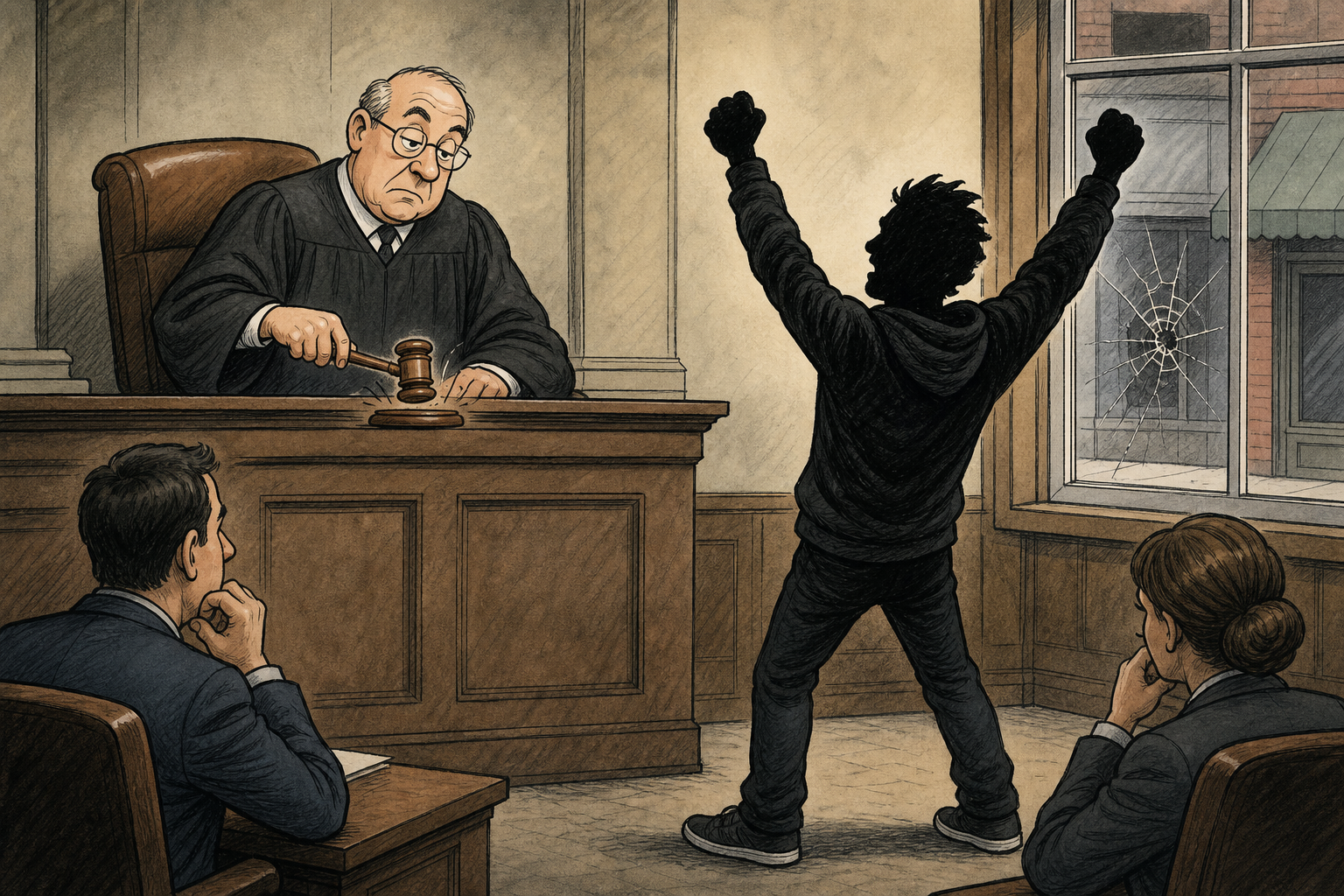
Keith Lott, 47, went into cardiac arrest in bed while he and his wife, Brook, were intimate on the night of May 16, 2026. She called 911 and started CPR. Paramedics got his heart beating again, but the time without oxygen had already done the damage: doctors at Cooper University Hospital in Camden put him on a ventilator, and by May 19 a brain-death exam and a follow-up scan confirmed no brain activity remained.
Keith had removed himself from New Jersey’s organ-donor registry when he renewed his license the year before, after converting to Islam in 2023. His family wanted the quick burial his faith requires, with no further surgery on his body. Less than an hour after doctors declared him brain dead, two representatives from NJ Sharing Network — the nonprofit that recovers organs for every hospital in the state — walked into the family’s grief and told them none of that mattered.
What followed was a two-day standoff over whether a man who was not a registered organ donor could be harvested anyway — and it happened five months after the same organization was accused, in a congressional letter, of trying to do something worse to a different patient who was still alive.
- 2 days the standoff lasted, from Keith Lott's brain-death declaration until NJ Sharing Network dropped its claim on his organs — NJ Advance Media / Yahoo News
- 0 times Keith checked the organ-donor box on the license he renewed the year before he died — NJ Advance Media / Yahoo News
- 103 of 351 organ-recovery cases federal investigators flagged as "concerning" at a sister OPO in Kentucky — decertified the day before this story published — HHS / HRSA
- ~12 whistleblowers who told Congress about NJ Sharing Network's tactics five months before the Lott case — House Ways and Means Committee
NJ Sharing Network’s first move was to point to Keith’s driver’s license from 2021 — the version that still listed him as an organ donor. His wife and family produced his current license, renewed in 2025, with the donor box unchecked. According to the family’s account, reported first by NJ Advance Media and carried nationally by Yahoo News, the representatives were unmoved. The family says they were told: “When you check that box to be a donor, it’s a lifetime contract.”
It is not. New Jersey’s anatomical-gift statute lets a registered donor amend or revoke that designation at any time before death, and Keith had done exactly that two years before he ever went into cardiac arrest. Still, the organization kept pressing the family for nearly two full days, while a hospital nurse worried aloud that she could be fired if she disconnected life support against NJ Sharing Network’s wishes. Keith’s family — his wife Brook, his parents Johnny and Minnie Lott, his brother Alex, sister-in-law Tiffany, and niece Blake — threatened to disconnect him themselves and move his body out of the hospital to meet the three-day burial window Islamic custom calls for.
The standoff broke only after Blake Lott, a graduate student who interns for state Sen. Paul Moriarty (D-Gloucester), called her boss’s office. Senate staff told the hospital that NJ Sharing Network’s legal position did not hold up. Roughly two hours later, the organization backed down.
Cooper University Hospital said in a statement that honoring a patient’s documented wishes “is fundamental to the care we provide,” while noting that organ recovery is a highly regulated process run by independent, federally designated organizations — a polite way of saying the hospital does not control what NJ Sharing Network does once brain death is declared.
NJ Sharing Network, for its part, confirmed to NJ Advance Media that donors can change or remove their registration at any time through the state Motor Vehicle Commission, and that the organization pulls MVC data “in real time.” What it would not explain: why its own representatives cited only Keith’s outdated 2021 license at his bedside, or why they told his family a donor designation was permanent when New Jersey law says the opposite.
“The claim 'once you're a donor, you're a donor for life' has no basis in New Jersey statute. It is not only ethically untenable; it is legally wrong.”
Kirk Johnson · Assistant Professor, Montclair State University
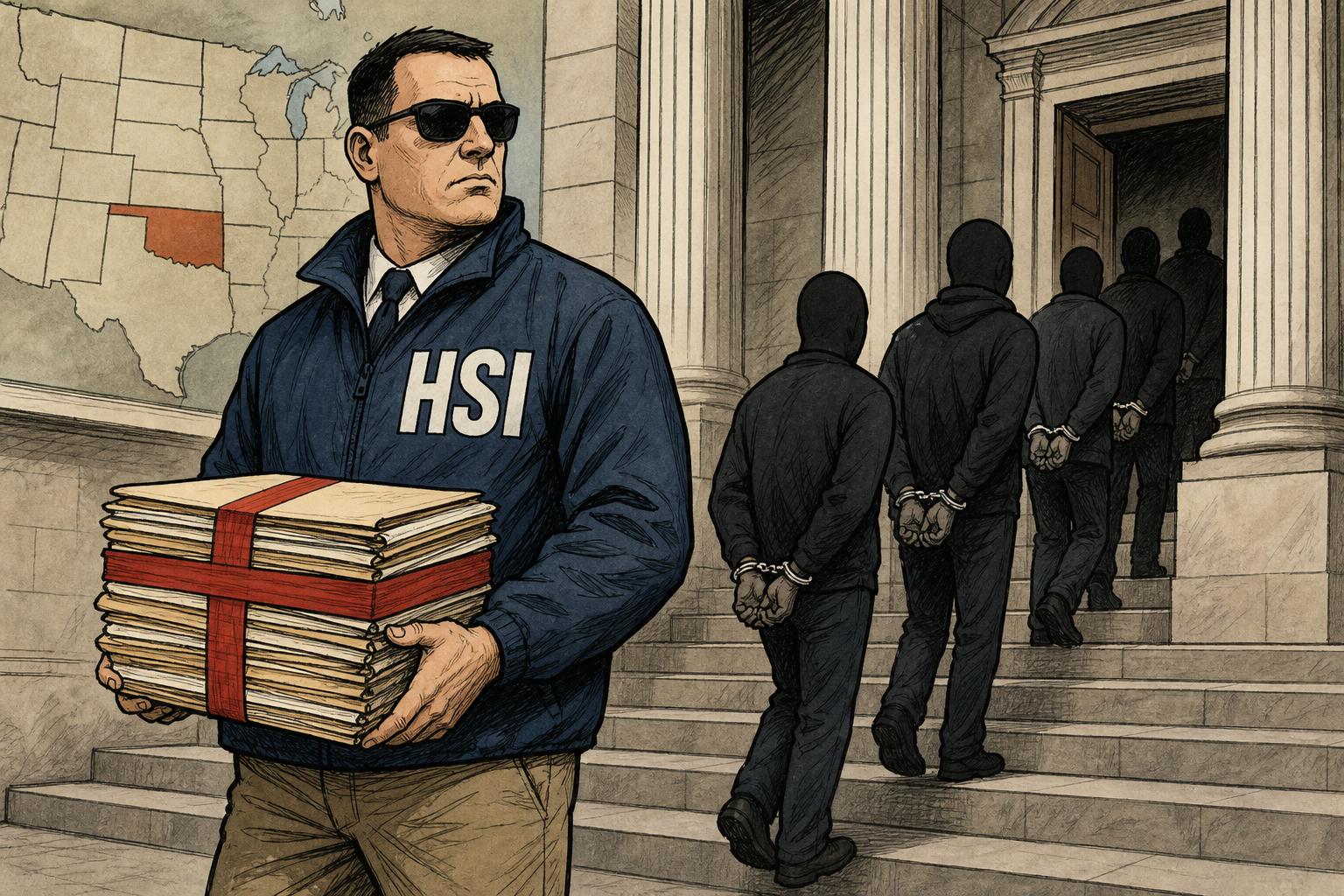
Keith Lott’s family did not know it at the time, but they were not the first to run into this. Five months earlier, on November 19, 2025, the U.S. House Ways and Means Committee — chaired by Rep. Jason Smith (R-Mo.), with Oversight Subcommittee Chairman David Schweikert (R-Ariz.) — sent NJ Sharing Network’s parent organization, the New Jersey Organ and Tissue Sharing Network (NJTO), a letter built on nearly a dozen whistleblower accounts describing what the committee called “extreme abuse of public trust.”
The most serious allegation involved a different patient entirely: a donation-after-circulatory-death case at Virtua Our Lady of Lourdes Hospital in Camden in which the patient, already pronounced dead for organ recovery, showed signs of life once the procedure had begun. According to the committee, NJTO President and CEO Carolyn Welsh — off-site at the time — told staff to continue the recovery anyway. Hospital personnel refused and stopped the procedure.
The same letter accused the organization of using redacted Motor Vehicle Commission “Document of Gift” records to tell grieving families it already had consent, even when a person’s current license showed no donor status — the identical pattern Keith Lott’s family would describe five months later. Investigators also cited discarded research organs, transplant-list patients skipped out of sequence, and deleted emails after the organization’s servers went offline amid a wave of national reporting on donation-after-circulatory-death abuses. “Our tax code should not subsidize organizations that harm Americans,” Smith wrote on X, giving NJTO until December 3, 2025 to turn over records or face subpoenas.
NJ Sharing Network is not an outlier so much as an example. A bipartisan Senate Finance Committee investigation led by Sen. Ron Wyden (D-Ore.) and Sen. Chuck Grassley (R-Iowa) found in June 2025 that organ procurement organizations nationally had learned to game their federal performance metrics while doing little to police their own conflicts of interest. The federal Health Resources and Services Administration found a sharper version of the same failure in Kentucky, where a review of 351 donation cases at Network for Hope — the OPO serving Kentucky, Ohio, Indiana, and West Virginia — turned up 103 with “concerning features,” including 73 patients who showed neurological signs that should have ruled out organ donation from the start. The scrutiny traces back to Anthony “TJ” Hoover II, whose family agreed to donate his organs after a 2021 overdose, only to watch him open his eyes and track movement during his own honor walk to the operating room.
On August 5, 2026, Health and Human Services Secretary Robert F. Kennedy Jr. announced HHS was decertifying Network for Hope entirely — the first mid-cycle organ procurement organization to lose its federal designation. Kennedy cited “persistent patient safety failures despite repeated oversight, repeated warnings, corrective action plans, and multiple opportunities to improve.” Network for Hope said it “strongly disagrees” and will appeal.
RFK Jr: "I'm announcing that HHS has begun the decertification of Network for Hope, the organ procurement organization."
Here’s the announcement by RFK Jr. decertifying Network for Hope, the Organ Procurement Organization that sent TJ Hoover to become an organ donor while he was still alive. Hoover recovered and still recalls his experience: "Why did they want to kill me?"
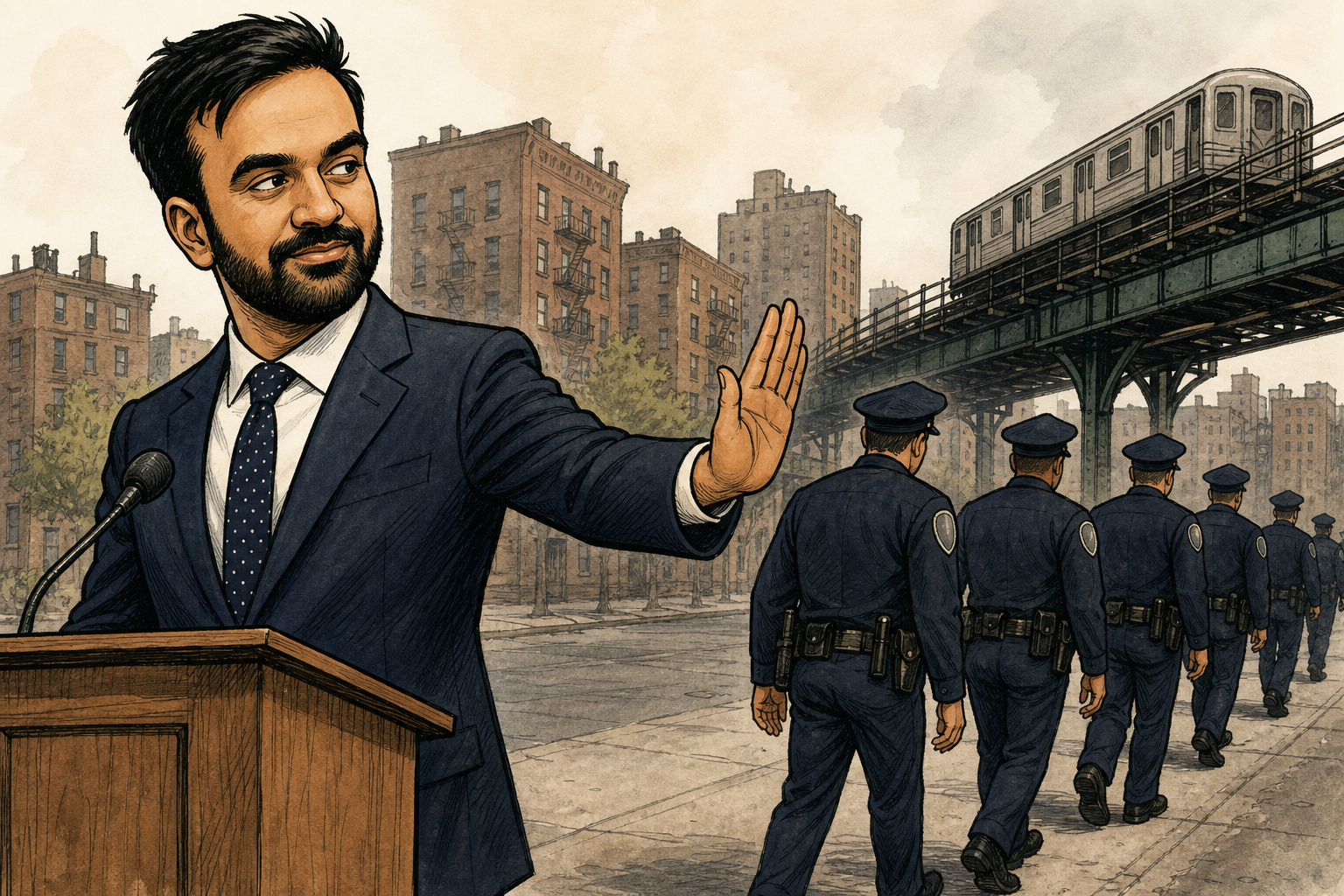
New Jersey’s own fix is still just a bill. State Sen. Moriarty introduced legislation, S4583, that would require organ procurement organizations statewide to verify donor status against the most current Motor Vehicle Commission and Donate Life NJ Registry data before acting — the exact requirement his own staff had to enforce by phone call in Keith Lott’s case, because nothing in New Jersey law currently makes it automatic.
Keith Lott is buried, and his organs stayed his own — not because federal law protected him, but because his niece happened to intern for a state senator and made one phone call before an Islamic burial deadline forced the issue. NJ Sharing Network faces a congressional deadline, not yet a state investigation. Its Kentucky counterpart just lost its federal license entirely. The pattern connecting both cases is not one rogue employee — it is an organ-procurement system built to hit recovery numbers, checked mostly by the organizations counting their own, until a whistleblower, a reporter, or a grieving family with the right phone number gets in the way.