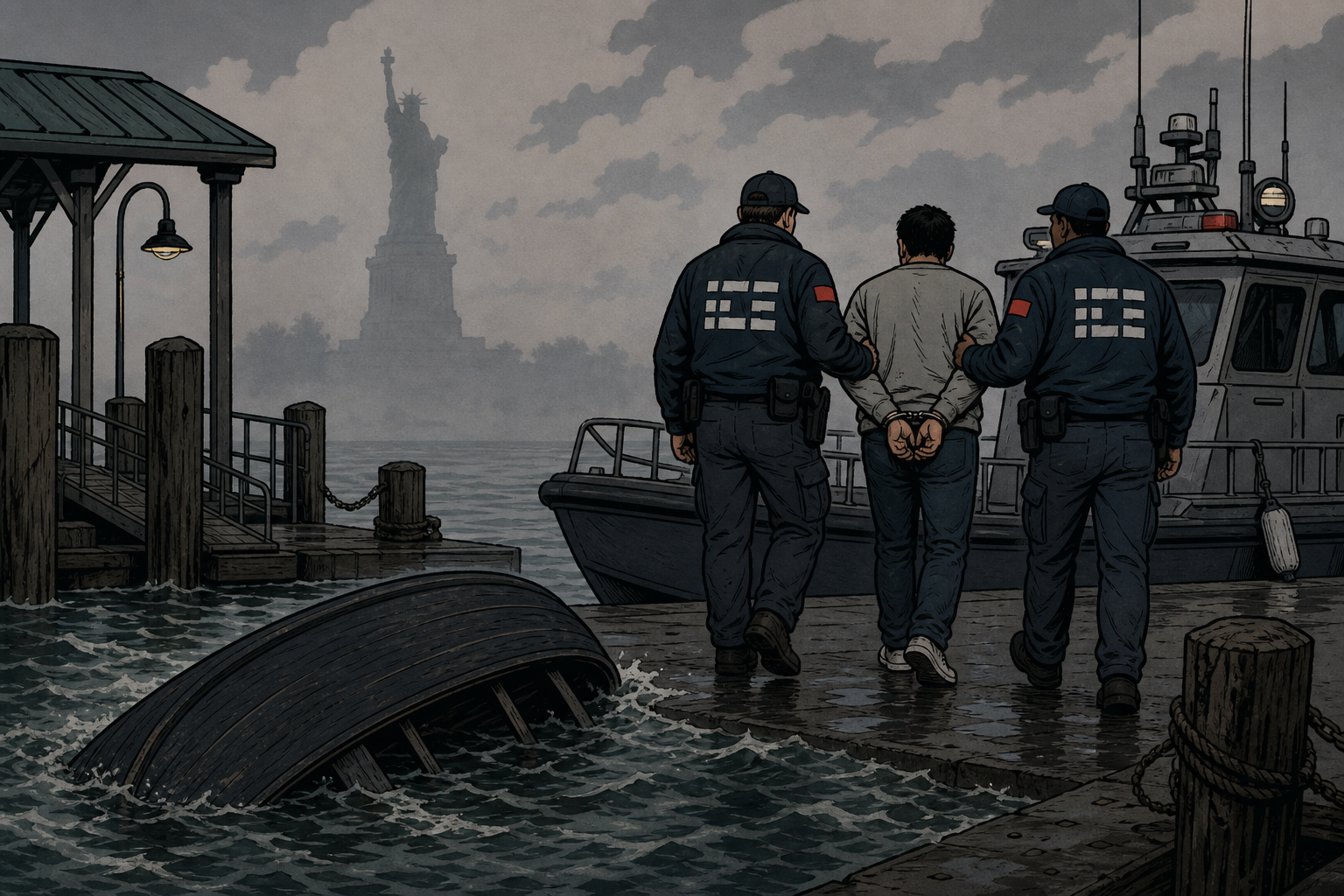
The Bronx Carries 40% of NYC’s Murders. Council Members Blame Mamdani’s Scrapped Police Hires.
- About 40% of the murders New York City has recorded this year happened in the Bronx, a borough that holds roughly 17% of the city's population — Council Member Oswald Feliz, Sept. 16 hearing
- About 40% of the city's shooting victims this year were also in the Bronx, even as shootings fell in every other borough — Feliz / NYC Council Public Safety Committee
- 580 officers a roughly $70,000,000 NYPD hiring increase Mamdani's own May executive budget proposed, then dropped from the final FY2027 budget on June 29-30 — City & State NY / Police1
- 18,369 major crimes NYPD's seven-category index citywide this year, down from 20,846 — about 11-12% lower, the record Mamdani and Tisch point to — NYPD / Mayor's Office
On September 16, 2026, the City Council’s Public Safety Committee convened to examine how NYPD tracks and reports its own crime statistics. Commissioner Jessica Tisch did not attend; NYPD Inspector William Haut and Deputy Commissioner Michael Gerber testified in her place. The number Council Member Oswald Feliz (D-Bronx) put on the record that day was narrow and specific — not a claim that crime is rising across the city, but a claim about where the city’s most serious violence is concentrated.
“Forty percent of the murders the city has seen this year have been in The Bronx,” Feliz, who chairs Public Safety, told the officials before him. “About 40% of the shooting victims the city has seen this year, also in The Bronx.” The borough holds roughly 17% of New York City’s population. The hearing landed nine months after Mayor Zohran Mamdani (D-NYC) first proposed, then reversed, a plan to add officers to a department several Council members say the Bronx needs more of than it currently has.
Tisch’s absence drew its own scrutiny; the hearing was billed as a methodology review of how NYPD counts and classifies crime, and Council members pressed her deputies on the same Bronx concentration Feliz raised. It was the latest turn in a fight over police staffing that began with Mamdani’s very first budget as mayor, and that Feliz has been vocal about since at least an earlier hearing in March 2026, when he told officials plainly: “Shootings are down citywide. In the Bronx, they’re up 35 points.”
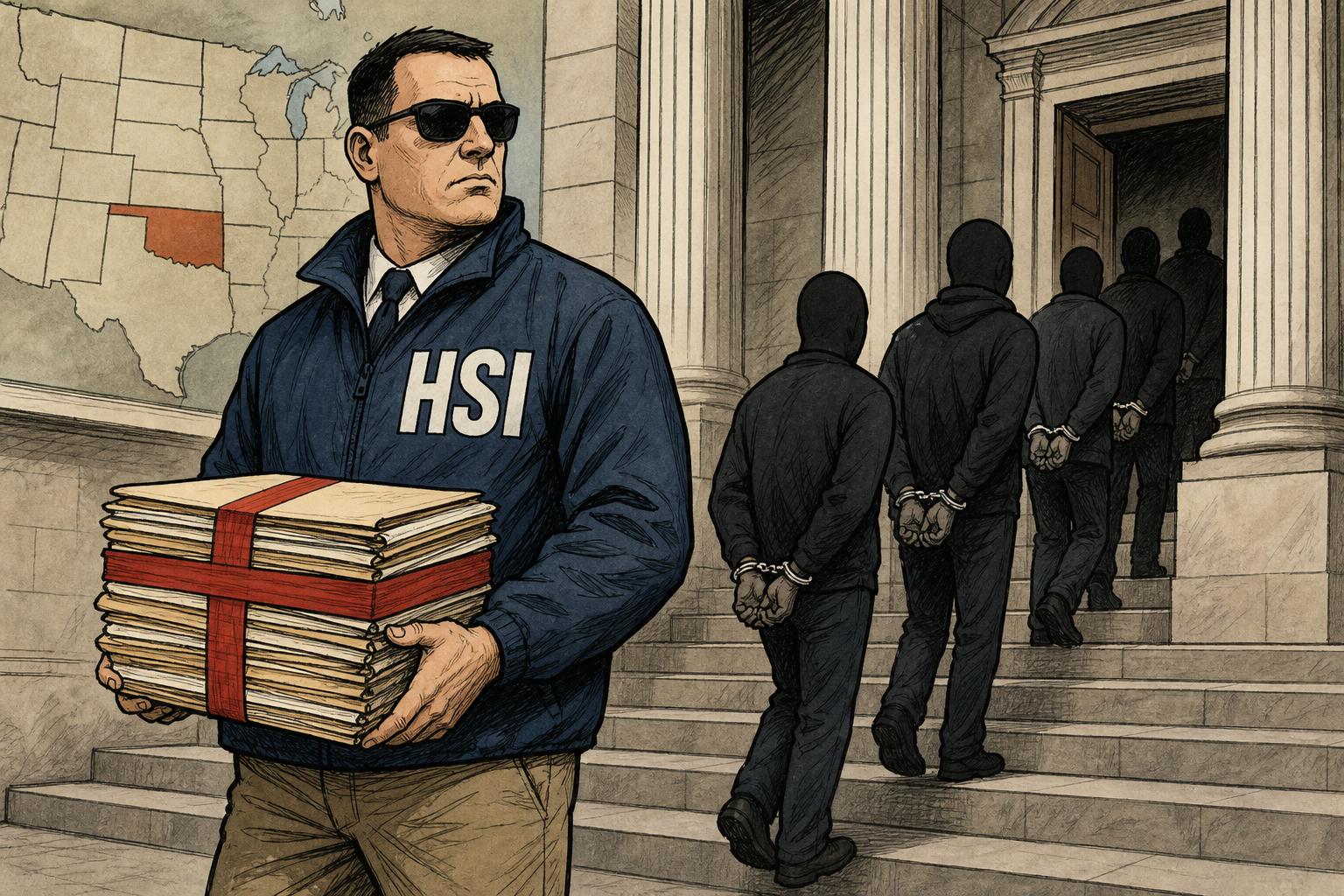
The staffing fight has moved in three distinct stages. In his February 18, 2026 preliminary budget, Mamdani scrapped a former Mayor Adams-era plan to add 5,000 officers to NYPD over several years, citing a roughly $12 billion budget gap. The move drew immediate criticism from police-union leaders and Republicans, who framed it as a retreat on public safety in a city still recovering from pandemic-era staffing losses.
By May, Mamdani’s executive budget walked that back partway, proposing a smaller, separate increase of 580 officers — roughly $70,000,000 — tied to a new Bronx North and Bronx South patrol-command split designed to put more supervisors closer to the precincts driving the borough’s numbers. On June 1, Tisch told the Council the department was “on track” for the hires, saying NYPD was “keeping our foot on the gas.” Then, on June 29-30, the final adopted FY2027 budget — $125,800,000,000 in total, with roughly $6,600,000,000 of that for NYPD — dropped funding for the 580-officer increase entirely. Headcount stayed flat at Mamdani’s original campaign-pledge level of about 35,000, rather than climbing to the 35,555 the add would have reached.
Council Speaker Julie Menin (D-Manhattan) announced the final deal alongside Mamdani but said publicly she disagreed with cutting the hiring plan: “It’s not a decision I agree with.” Six Council members voted no on the final budget in part over the reversal, including Frank Morano (R-Staten Island).
The reversal did not happen in a vacuum of falling crime, which is what makes the Bronx numbers notable rather than simply predictable. NYPD’s own major-crime index — the seven felony categories the department tracks — is down double digits both citywide and in the Bronx in 2026, from roughly 20,846 to 18,369 major crimes, about 11-12% lower. That decline is real, and it is the figure Mamdani and Tisch cite when they defend the department’s performance.
What Feliz and other Bronx-based critics point to is narrower: within that overall decline, murders and shootings are disproportionately concentrated in one borough. Feliz’s March 2026 warning that Bronx shootings were “up 35 points” even as the citywide trend improved was an early version of the same argument he made again in September — that the borough’s share of the city’s worst violence has not moved in the same direction as the index totals everyone is celebrating.
“Shootings are down citywide. In the Bronx, they're up 35 points.”
Council Member Oswald Feliz (D-Bronx), March 2026 hearing
Mamdani has not accepted the framing that cutting the hiring increase left the Bronx exposed. In his own account of the June deal, he said: “Commissioner Tisch and I were able to identify ways to keep the NYPD headcount at the originally authorized 35,000.” He has pointed to the Bronx’s own index decline as evidence the borough is trending the right way, not the wrong one.
The Bronx is leading the city in crime reductions, with crime down by over 12%, and these officers are at the forefront.
Having a strong police presence has played a significant role in improving safety in NYC. I agree with @SpeakerMenin - we should be providing more resources, to help take the progress even further.
Feliz’s post above predates the September hearing by nearly three months, but it shows his position was consistent even before the final numbers came in — he backed Menin’s public disagreement with the cut in real time, not only after the fact. The criticism has not come only from the Bronx’s defenders, either. Public Advocate Jumaane Williams (D-NYC) has said “New Yorkers don’t feel as safe as they are,” a gap-in-perception argument distinct from Feliz’s data-driven one. PBA President Patrick Hendry was blunter about the activists who opposed hiring more officers at all: “The protestors calling for fewer cops aren’t living in reality.”
That pushback cuts in the opposite direction too. On June 25, activists rallied alongside Council Members Tiffany Cabán (D-Queens) and Pierina Sanchez (D-Bronx) to oppose even the smaller 580-officer increase, arguing the case for more cops was overstated. Cabán put it this way: “Those officers aren’t being charged with a crime… The crime statistics don’t really show the full picture of what we are looking at.” Council Member Julie Won (D-Queens) took the opposite view of the final cut, calling the reversal “a deep betrayal” once the 580 hires disappeared from the adopted budget entirely — leaving Mamdani caught between a Council faction that wanted him to hire fewer officers and a Bronx faction that wanted him to hire more.
Mayor Zohran Mamdani (D-NYC) — Scrapped a 5,000-officer Adams-era hiring plan in February, proposed a smaller 580-officer add in May, then dropped that add from the final adopted budget in June, keeping headcount flat at 35,000. Points to the Bronx’s own double-digit crime-index decline as vindication.
Council Speaker Julie Menin (D-Manhattan) — Announced the final budget deal alongside Mamdani but said publicly she disagreed with cutting the 580-officer increase.
Council Member Oswald Feliz (D-Bronx) — Chairs the Public Safety Committee and has pressed NYPD leadership twice in 2026, in March and September, on the Bronx’s disproportionate share of the city’s murders and shooting victims.
NYPD’s own data supports two claims at once, and they are not contradictory: the department’s seven-category major-crime index is down roughly 11-12% both citywide and in the Bronx this year, and the Bronx still accounts for about 40% of the city’s murders and shooting victims — a share Council Member Oswald Feliz has flagged twice in 2026. Mayor Mamdani scrapped a 5,000-officer hiring plan in February, proposed a smaller 580-officer add in May, and then dropped that add from the final budget in June, holding headcount flat at 35,000. Whether that decision made the Bronx’s murder and shooting concentration worse, or simply failed to fix a pre-existing imbalance, is the question the September 16 hearing could not settle — because the commissioner who oversees the department wasn’t in the room to answer it.