Three FCS Schools Took $1,065,000 to Lose to FBS Opponents in Week 1.
They Beat Them Anyway.
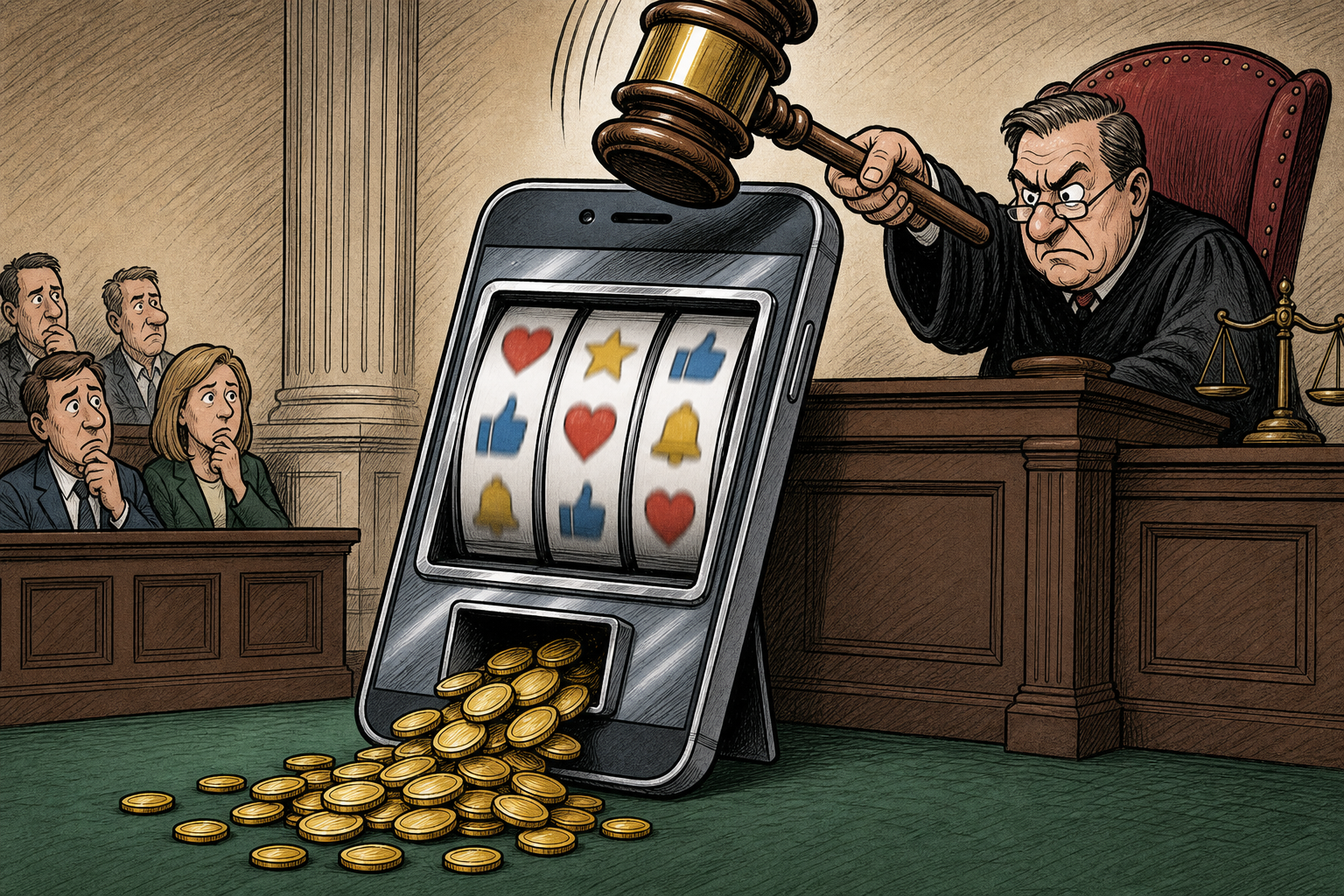
Three FBS athletic departments wrote checks totaling $1,065,000 to bring three FCS opponents to town for Week 1 of the 2026 college football season. The checks were supposed to buy a win. Instead, on a single Saturday — September 5 — Idaho State beat Utah State, Tarleton State beat Bowling Green, and The Citadel outlasted Charlotte in triple overtime.
Every school on the field that day was a public, state-funded institution. The transaction underneath each upset — a bigger public university paying a smaller public university to show up and, generally, lose — is a routine, contracted line item in college athletics known as a “guarantee game.” It rarely makes news when it works as designed. It made news three times in one afternoon.
- $400,000 — Idaho State's contracted guarantee payment from Utah State, before the Bengals won 29-17 in Logan · Source: Front Office Sports / Yahoo Sports
- $360,000 — Tarleton State's guarantee payment from Bowling Green, before the Texans won 20-13 on the road · Source: Front Office Sports
- $305,000 — The Citadel's guarantee payment from Charlotte, before the Bulldogs won 43-41 in triple overtime · Source: Front Office Sports
- $1,065,000 — combined guarantee money collected by the three FCS winners for a single Saturday's slate · Source: Front Office Sports
- $1,900,000 — the largest single guarantee payment on the 2026 market so far — Ball State-Ohio State and UTEP-Michigan, both Week 3 · Source: Front Office Sports
In Logan, Utah, Idaho State forced four interceptions and beat Utah State 29-17 at Merlin Olsen Field inside Maverik Stadium — the Bengals' first win over an FBS opponent since 2017. Head coach Cody Hawkins, now in his fourth season, put the win in context afterward: “We talked about all the things that it takes to beat an FBS team is you need to score 30 points, and you need to get three turnovers.” Idaho State got both, plus a fourth interception for good measure.
Hawkins had a longer memory of the series than most of his roster. “My very first year here they scored 78 points on us, and we got absolutely smoked,” he said. “It's fun for our guys to see the progress and the contrast.” The game came down to a fourth-and-one stop that Hawkins credited to his defensive coordinator: “Our defensive line and the work that Ricky has done with them is second to none. To have a fourth-and-one stop after being on the field for at least a dozen plays was pretty impressive.”

Fifteen hundred miles east, Tarleton State went into Bowling Green, Ohio, and beat Bowling Green State University 20-13 — the program's second straight win over an FBS opponent to open a season. Head coach Todd Whitten, now in his 17th year running the program, has built Tarleton State into a school with visible FBS ambitions of its own. Athletic director Steve Uryasz described that goal to Front Office Sports: “From the very first day I interviewed here, and even during the process, Dr. Hurley, the institution as a whole said our ultimate goal is to be FBS. And we're trying to put ourselves in a position to be there.”
The most dramatic finish belonged to The Citadel, South Carolina's state-supported senior military college. After a lightning delay of roughly 75 minutes at Charlotte, running back Gavin Garcia rushed for three touchdowns and head coach Maurice Drayton’s Bulldogs outlasted the 49ers 43-41 in triple overtime. All three FCS visitors left as winners; all three FBS hosts left having paid for the privilege of losing at home.
None of these payments were surprises, and none were secret. A “guarantee game” is a contracted, publicly disclosed payment an FBS athletic department makes to a smaller program — usually an FCS school, sometimes a lower-tier FBS school — to travel, play a lopsided road game, and go home. The FBS side gets a home date, a home gate, and, most of the time, a comfortable win to open the season. The FCS side gets a check that can fund a meaningful share of its athletic budget for the year. Both sides know the arrangement, on paper, favors the home team. That's the point of paying for it.
The paper favored the home team in Logan, too. Pregame coverage treated Utah State as the heavy favorite over Idaho State, which is exactly the outcome the $400,000 guarantee was supposed to buy.
Week 1 of the 2026 season made clear how often the arrangement doesn't go as planned, and how much money is on the table regardless of outcome. Rutgers, a Big Ten program, paid the University of Massachusetts $1,550,000 and lost 37-21 anyway. Michigan paid Western Michigan $1,500,000 and needed a late push to avoid its own upset. The three FCS wins covered here weren't outliers in a small market — they were the most visible face of a market that regularly moves seven-figure sums for a single afternoon. The largest guarantee payments reported so far in the 2026 season, $1,900,000 apiece for Ball State-Ohio State and UTEP-Michigan, both scheduled for Week 3, dwarf even what Idaho State, Tarleton State, and The Citadel collected combined.
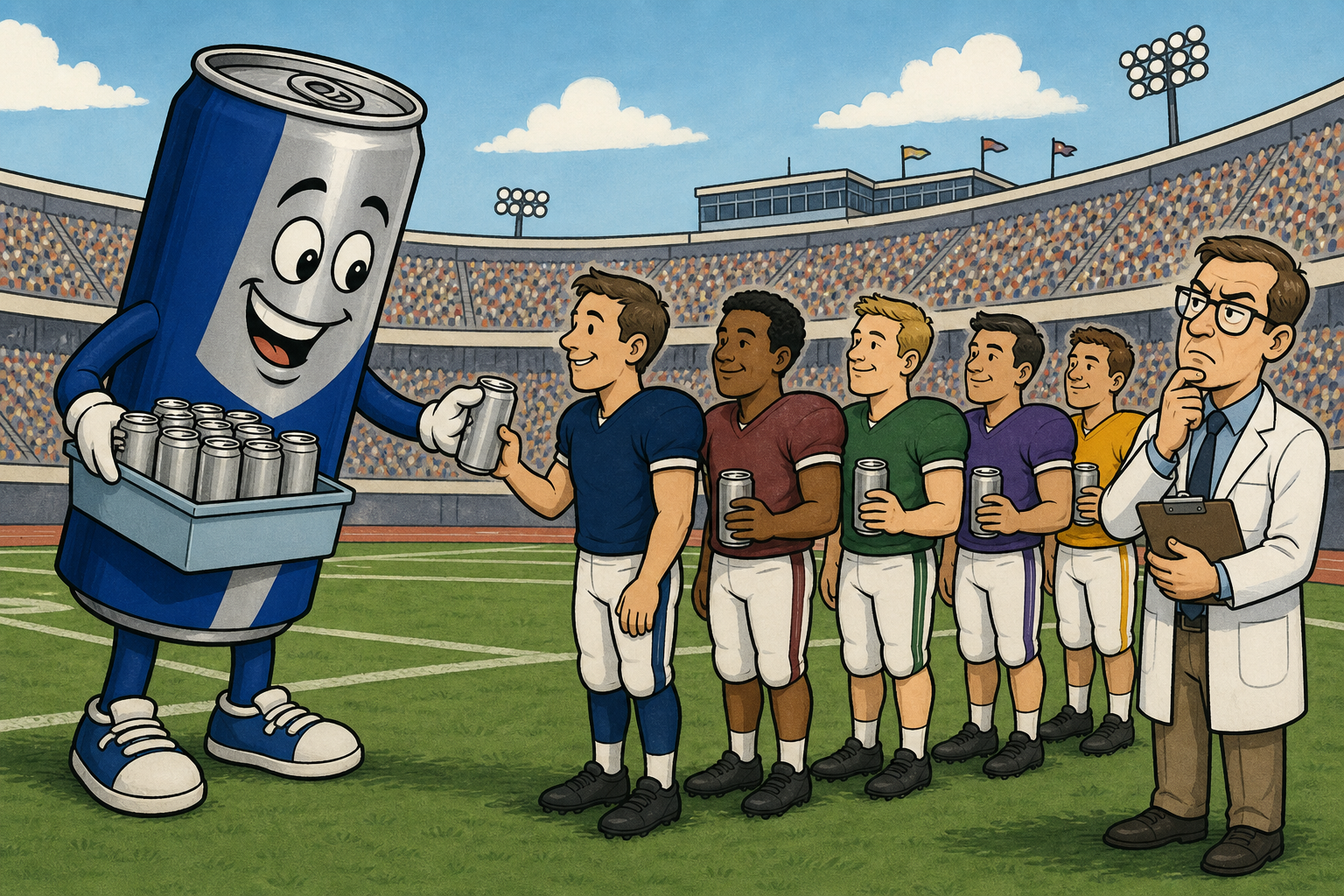
The accountability angle here isn't scandal — it's scale. Idaho State, a public university governed by the Idaho State Board of Education, and Utah State, a public land-grant university, are both taxpayer-supported institutions. So are Tarleton State, part of the Texas A&M University System, and Bowling Green State University in Ohio. So are The Citadel, South Carolina's state military college, and UNC Charlotte, part of the University of North Carolina System. Every dollar in every guarantee-game contract this Week 1 moved between public balance sheets, athletic departments that state university systems fund, oversee, and ultimately answer for.
Athletic directors budget these payments as routine revenue and routine expense every year, win or lose. Western Kentucky's athletic director, Todd Stewart, laid out the calculus in a 2024 Front Office Sports interview, describing why his department schedules body-bag games at all: “If we didn't play this game, and our football budget had $1,900,000 less, our program would look very different.” That's the guarantee-game economy in one sentence — FBS departments build multimillion-dollar guarantee expenses into their budgets as the cost of a home game and a paycheck for a smaller public program, and they accept the loss risk that comes with it. In Week 1 of 2026, at Utah State, Bowling Green, and Charlotte, that risk showed up on the scoreboard.
“If we didn't play this game, and our football budget had $1.9 million less, our program would look very different.”
Todd Stewart, Athletic Director, Western Kentucky University (2024, general context on guarantee-game budgeting)
Idaho State University (public) — head coach Cody Hawkins; won a $400,000 guarantee game at Utah State, 29-17.
Utah State University (public land-grant) — athletic director Cameron Walker; paid the $400,000 guarantee.
Tarleton State University (public, Texas A&M System) — head coach Todd Whitten, athletic director Steve Uryasz; won a $360,000 guarantee game at Bowling Green, 20-13.
Bowling Green State University (public) — athletic director Derek van der Merwe; paid the $360,000 guarantee.
The Citadel (South Carolina's state-supported military college) — head coach Maurice Drayton; won a $305,000 guarantee game at Charlotte, 43-41 (3OT).
UNC Charlotte (public, UNC System) — athletic director Kevin White; paid the $305,000 guarantee.
Guarantee games are a legal, disclosed, entirely ordinary part of how public university athletic departments fund their programs — and every dollar of the $1,065,000 that changed hands in Week 1 was exactly that. What made September 5 notable wasn't the money. It was that three public FBS athletic departments paid three public FCS athletic departments a combined seven figures for a result they didn't get.