The Weeks-Long Pause Is Over — Iran Answers Larak Island With Missiles on Jordan.
For nearly six months the United States and Iran have been at war. For the last several weeks, the fighting had gone quiet enough that the news out of Tehran was about a collapsing currency and Treasury Department sanctions — not missiles. On the night of August 30, 2026, U.S. Central Command ended that pause.
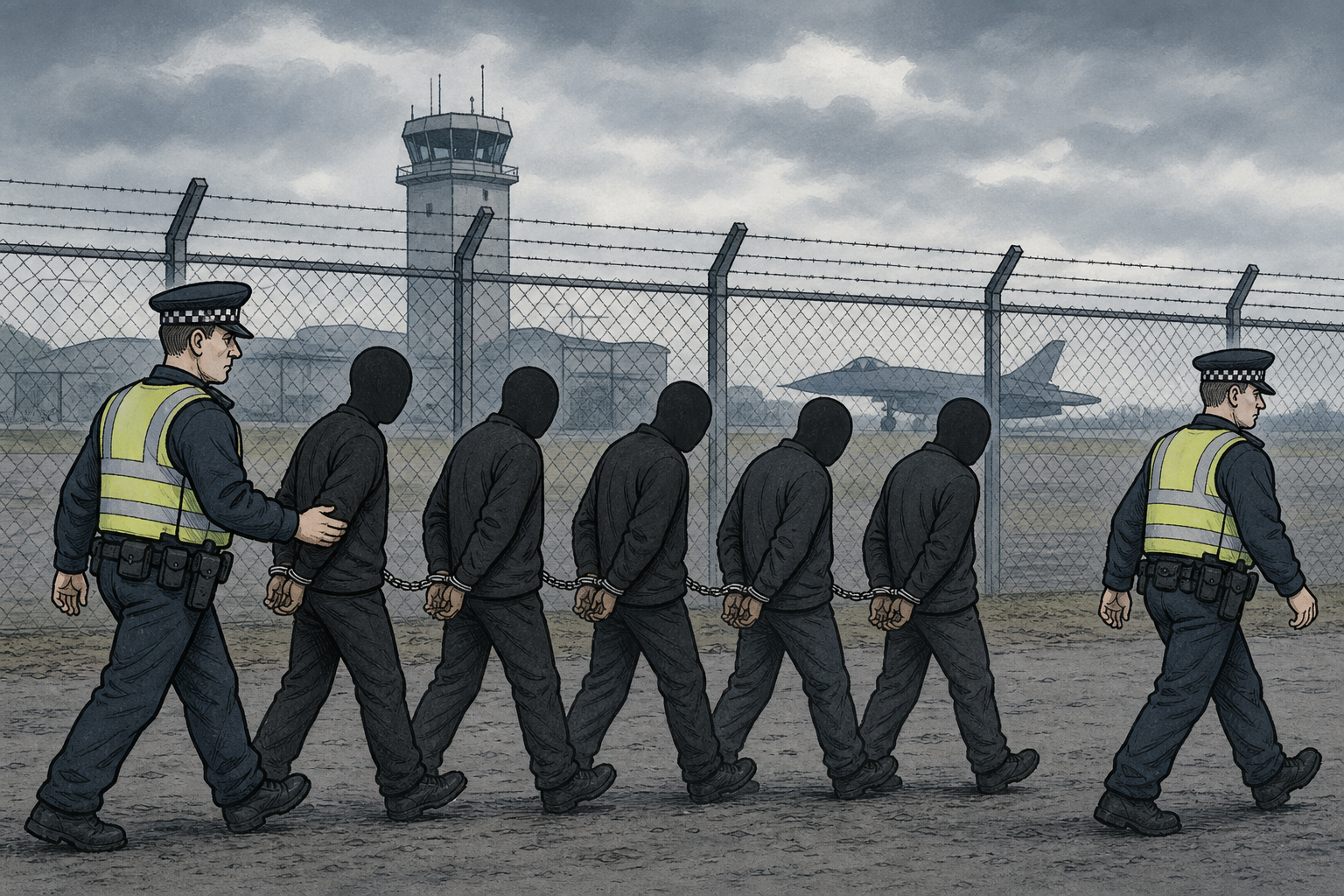
American forces struck two Iranian rocket launchers on Larak Island, a small Iranian-held island in the Strait of Hormuz near Bandar Abbas — the first known U.S. strike on Iranian territory since late July, according to BBC’s reporting on the CENTCOM statement. Hours later, Iran’s Revolutionary Guard Corps answered with ballistic missiles and drones aimed at two U.S. bases in Jordan and a claimed strike on a U.S.-linked base in the United Arab Emirates.
Jordan says its air defenses intercepted every incoming missile. Oil markets did not wait to find out how the story ends before repricing the risk. This is that story — a fresh escalation, not a repeat of the deadlier Jordan attack this war produced in July.
- 2Iranian rocket launchers on Larak Island that CENTCOM says U.S. forces destroyed — CENTCOM via CBS News
- 8Iranian missiles Jordan's air defenses intercepted before dawn Monday — Jordanian Armed Forces
- 2U.S. bases in Jordan the IRGC targeted — King Hussein and Al Azraq air bases
- $91.40Brent crude price after climbing as much as 3.8% intraday — CBS News
- 6months since the U.S.-Israel war on Iran began, Feb. 28, 2026
- 1stknown U.S. strike on Iranian soil since late July — BBC, via CENTCOM
Larak Island sits in the Strait of Hormuz, just offshore from the Iranian port of Bandar Abbas — a route that once carried roughly a fifth of the world’s seaborne oil and gas before the war disrupted shipping. According to CENTCOM spokesman Navy Capt. Tim Hawkins, U.S. forces struck two rocket launchers on the island after Islamic Revolutionary Guard Corps personnel were observed preparing to launch rockets and separately deploy sea mines into the strait’s shipping lanes.
“Two rocket launchers on Iran's Larak Island. Islamic Revolutionary Guard Corps forces were observed preparing to launch rockets and deploy sea mines.”
CENTCOM spokesman Navy Capt. Tim Hawkins · via CBS News · Aug. 30, 2026
BBC framed the strike as the first known American action on Iranian territory since late July — a gap of several weeks during which the war’s center of gravity had shifted to Trump administration Treasury Secretary Scott Bessent’s sanctions campaign and a collapsing Iranian rial, not to combat operations. Iran’s Revolutionary Guard said the strike “killed and wounded several” of its personnel and vowed “response and punishment,” per CBS News and Al Jazeera. Neither CENTCOM nor Iran has published a precise, independently verified casualty count as of publication.
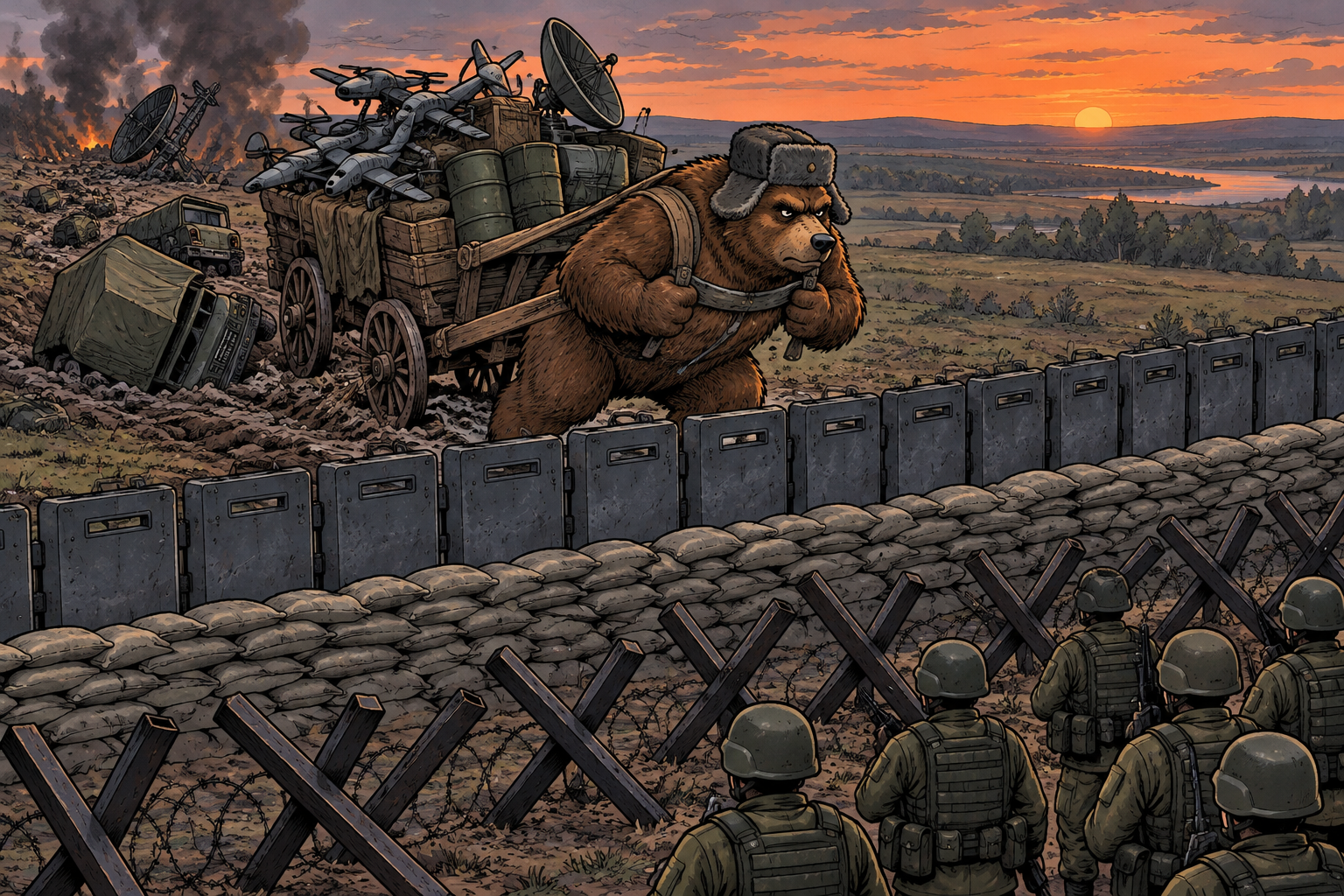
The Revolutionary Guard did not wait long. Early on August 31, it announced a combined missile-and-drone operation against the King Hussein and Al Azraq air bases in Jordan — the same two installations that have absorbed repeated Iranian fire earlier in the war — calling it “a legitimate exercise of self-defence” in response to the Larak Island strike, per Al Jazeera. The IRGC claimed the strikes caused “heavy damage” to technical and maintenance infrastructure and fighter-jet deployment sites at the bases.
Jordan’s Armed Forces said they intercepted eight missiles that entered the kingdom’s airspace before dawn, with state broadcaster Al-Mamlaka TV reporting all were destroyed before reaching the ground. The Jerusalem Post reported that “nearly all” of the incoming fire aimed at U.S. forces was intercepted, with no significant impacts confirmed. Iran’s military separately claimed it struck the Al Minhad Air Base outside Dubai with drones, targeting locations where U.S. forces and helicopters were stationed. The United Arab Emirates denied the base was hit at all, saying its air force intercepted a single drone over its territorial waters and calling the Iranian claim “a dangerous escalation” and “a flagrant violation” of its sovereignty.
NOW: Iran is attacking U.S. forces stationed in Jordan. U.S. source familiar to Fox News: No significant impacts so far. Nearly all incoming missiles have been intercepted at this point.
As with most exchanges in this war, the two sides immediately disputed how to characterize what happened. Iran’s Revolutionary Guard branded the U.S. strike on Larak Island an “act of aggression.” CENTCOM publicly rejected that framing within hours, calling its action “limited, precise action against IRGC minelaying forces threatening the Strait of Hormuz” — a rare public fact-check exchange that investingLive described as its own dimension of the conflict, fought in press statements as much as in the strait itself.
Iranian President Masoud Pezeshkian, speaking before departing for an international summit in Kyrgyzstan, gave his first public comments since the strike.
“Iran is not looking for war, but will never sit still in the face of any aggression. We will give a decisive response to the aggressors.”
President Masoud Pezeshkian · via Anadolu Agency · Aug. 31, 2026
President Donald Trump pressed the deterrence message directly, posting a video to Truth Social late Sunday showing explosions at Iran’s Kharg Island — the terminal that handles roughly 90% of Iran’s oil exports, more than 400 miles from Larak. Kharg was not among the targets CENTCOM listed for Sunday’s strike, and Iranian officials disputed the footage, per Newsweek and Forbes.
Kharg Island being blown to smithereens!!! President DJT
Verbatim, as reported by Newsweek, Forbes, and the Times of Israel. Kharg Island was not among the targets CENTCOM listed for Sunday's strike.
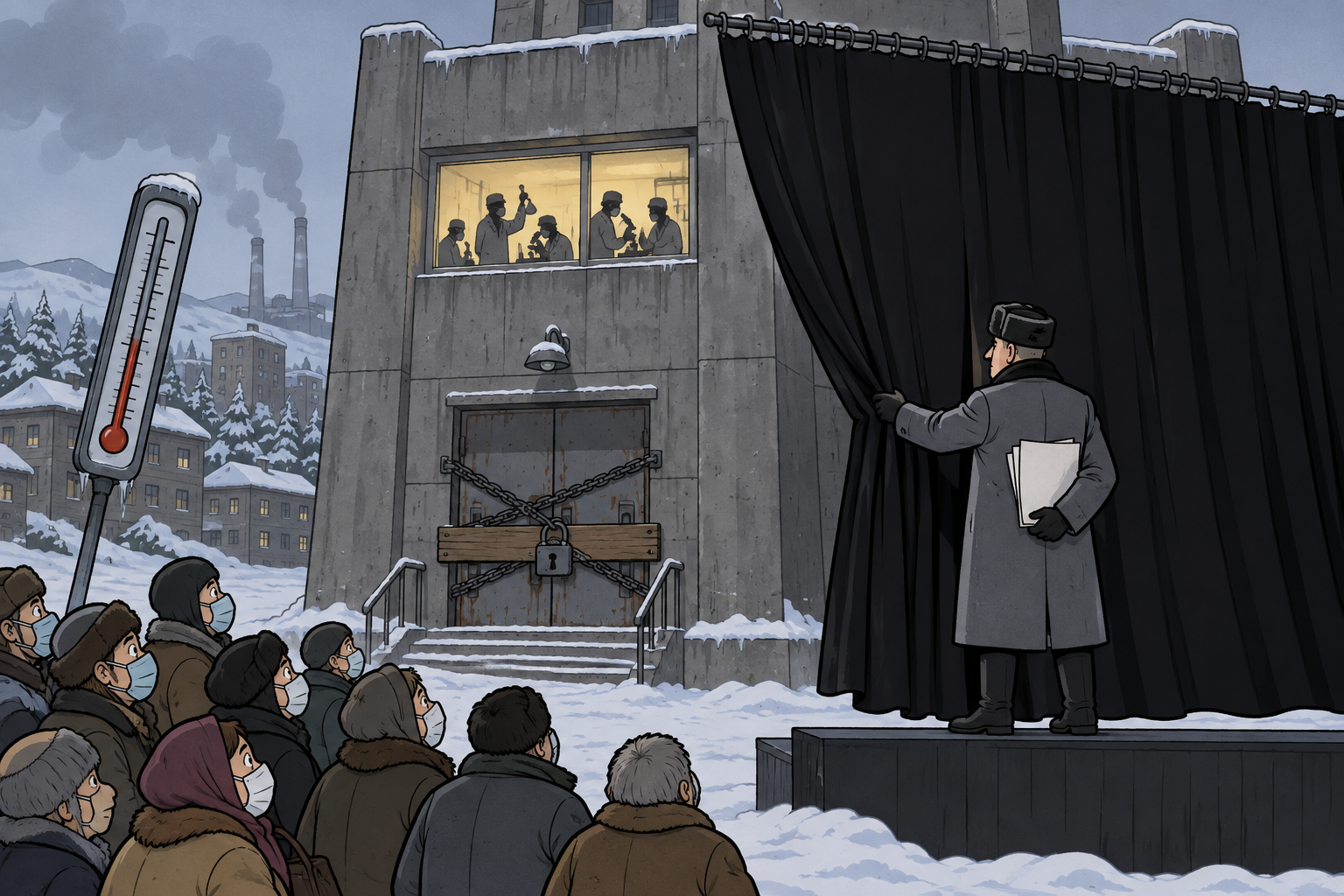
Oil markets reacted before either government finished its statement. Brent crude jumped as much as $91.40 a barrel — up 3.8% intraday, per CBS News — on renewed fears that a shooting war over the Strait of Hormuz, the route for roughly a fifth of the world’s oil and gas before the conflict, was back on. It is the kind of price move American drivers have absorbed repeatedly since February 28, 2026, when joint U.S.-Israeli strikes opened the war.
The Larak Island strike landed just eleven days after Trump posted, on Truth Social, that the administration’s sanctions campaign against Tehran was the “most crushing economic operation ever taken against any country.” Sunday’s escalation is a reminder that Iran’s Revolutionary Guard can still put American forces back in a shooting exchange on short notice, even during a stretch the war had otherwise turned economic.
MOST CRUSHING ECONOMIC OPERATION EVER TAKEN AGAINST ANY COUNTRY
Verbatim, as reported by Al Jazeera's timeline of the war's social-media record — posted 11 days before the Larak Island strike.
Sen. Jack Reed (D-RI), ranking member of the Senate Armed Services Committee, delivered the sharpest domestic reaction, telling Fox News Sunday that the president was entering an upcoming meeting with China’s Xi Jinping “terribly weakened” by the war.
“Six months later, not a single objective has been achieved. He has weakened our position in the Middle East and the world significantly.”
Sen. Jack Reed (D-RI) · via The Hill · Aug. 2026
None of this resolves the strait’s central danger. CENTCOM says the mines Iran was allegedly preparing to launch toward Larak’s shipping lanes were the trigger for Sunday’s strike in the first place — meaning the U.S. military still regards minelaying, not just missile exchanges, as the threshold that ends any given lull.
Six months into the Iran war, the last several weeks had quieted into a sanctions fight over a collapsing rial. On August 30, that changed: two Iranian rocket launchers destroyed on Larak Island, eight Iranian missiles intercepted over Jordan, a disputed drone strike on the UAE, and Brent crude back above $91.40 a barrel. Both governments say they don’t want a wider war. Both just proved how quickly the quiet ends.