
Ukraine Hit Russia’s Oil Lifeline to Crimea — and the Peninsula Ran Out of Fuel.
Officials in Russian-occupied Crimea suspended civilian gasoline sales on Sunday, June 21, 2026, after an intensifying Ukrainian drone campaign against the peninsula’s fuel lifeline. From 9:00 a.m. local time, gas stations halted all sales to private motorists and businesses for an undefined period, with fuel reserved only for state agencies — the most sweeping restriction since Russia illegally annexed Crimea in 2014.
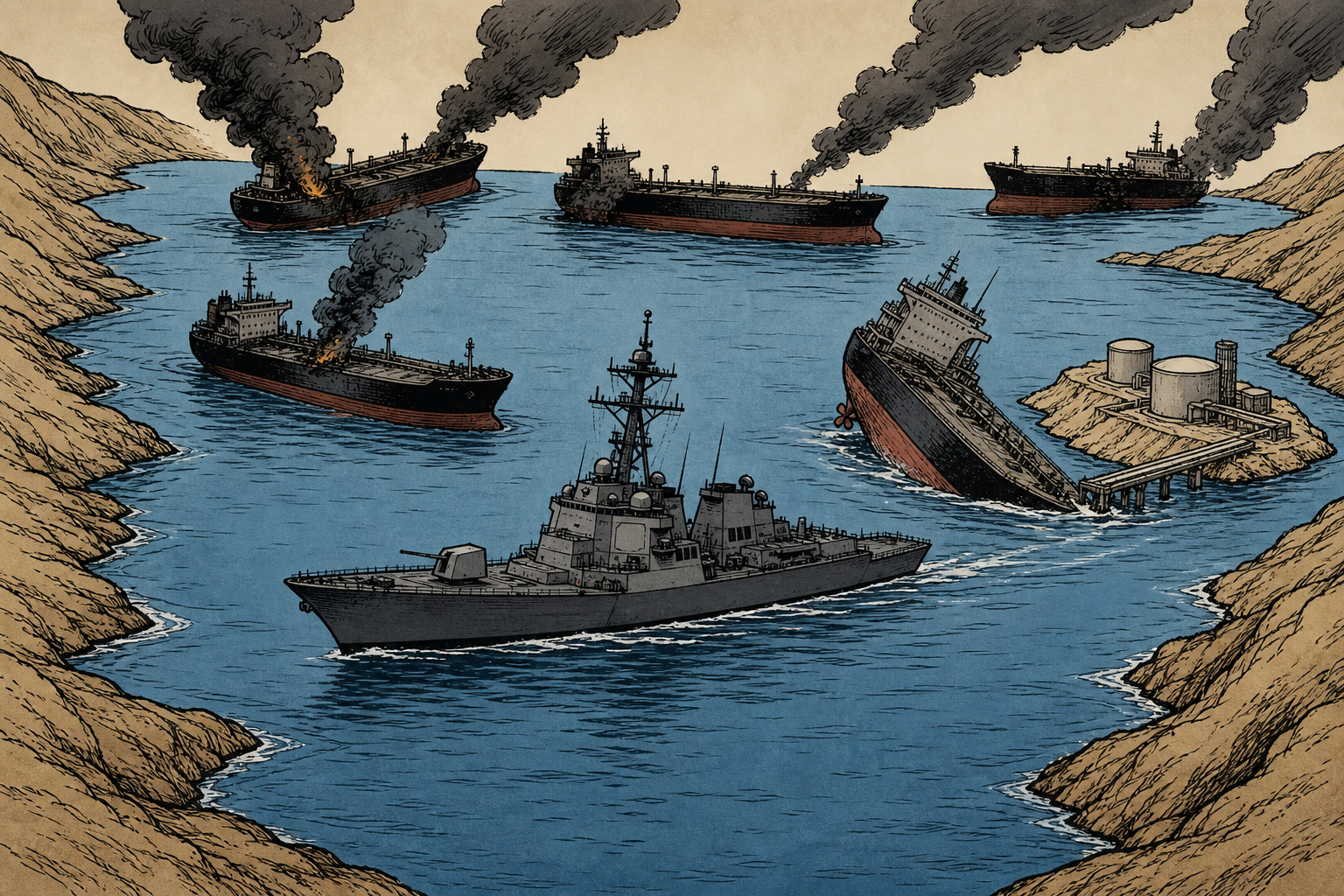
The trigger was an overnight strike that hit oil targets on both sides of the Kerch Strait. Ukrainian President Volodymyr Zelensky said his forces struck an oil depot in occupied Kerch and an oil-transport facility in Russia’s Krasnodar region; a fire broke out at a Black Sea oil terminal in the village of Chushka. Crimea’s Moscow-installed head Sergey Aksyonov said the strikes killed four people and wounded 28; ferry traffic across the strait was suspended and parts of the peninsula lost power.
Ukraine frames the campaign as “long-range sanctions” — strikes meant to choke the oil revenue Russia uses to fund the war and to sever the supply routes feeding occupied territory. This page documents the strike, the mechanism, and the consequence on the ground. Where the two sides disagree, each claim is attributed to the side making it.
- June 21, 2026 — the day Crimea halted all civilian gasoline sales — fuel reserved for state agencies only · Source: AP/NPR; Jerusalem Post
- 4 killed, 28 wounded — the overnight-strike toll in Crimea per Moscow-installed head Sergey Aksyonov; the Jerusalem Post reported five dead overall including a ferry death · Source: AP; Jerusalem Post
- Kerch & Chushka — the targets Zelensky named — an oil depot in occupied Kerch and an oil-transport terminal at Chushka in Krasnodar, on both sides of the Crimean Bridge · Source: Al Jazeera; Kyiv Independent
- 20 litres / week — the rationing cap imposed on Crimean motorists in late May via prepaid coupons before the full sales halt · Source: The Moscow Times; RFE/RL
- 239 drones — the number Russia's Defense Ministry claimed it shot down overnight — a Russian figure, presented as that side's claim · Source: Al Jazeera
In the early hours of Sunday, June 21, Ukraine struck energy and logistics targets clustered around the Kerch Strait — the narrow corridor that links the Black Sea to the Sea of Azov and separates occupied Crimea from mainland Russia. According to Zelensky, the targets included an oil depot in the Crimean city of Kerch and an oil-transport facility across the water in the Krasnodar region; a fire broke out at a Black Sea oil terminal in the village of Chushka. The Kerch bridge linking Crimea to Krasnodar was closed to traffic overnight and ferry service across the strait was suspended.
Aksyonov, the Kremlin-appointed head of Crimea, said the overnight attacks killed four people and wounded 28; The Jerusalem Post put the combined toll at five, including a death on a passenger ferry in Krasnodar. Russia’s Defense Ministry said it downed 239 Ukrainian drones overnight — a figure that, like the Ukrainian targeting claims, reflects the position of the side issuing it.
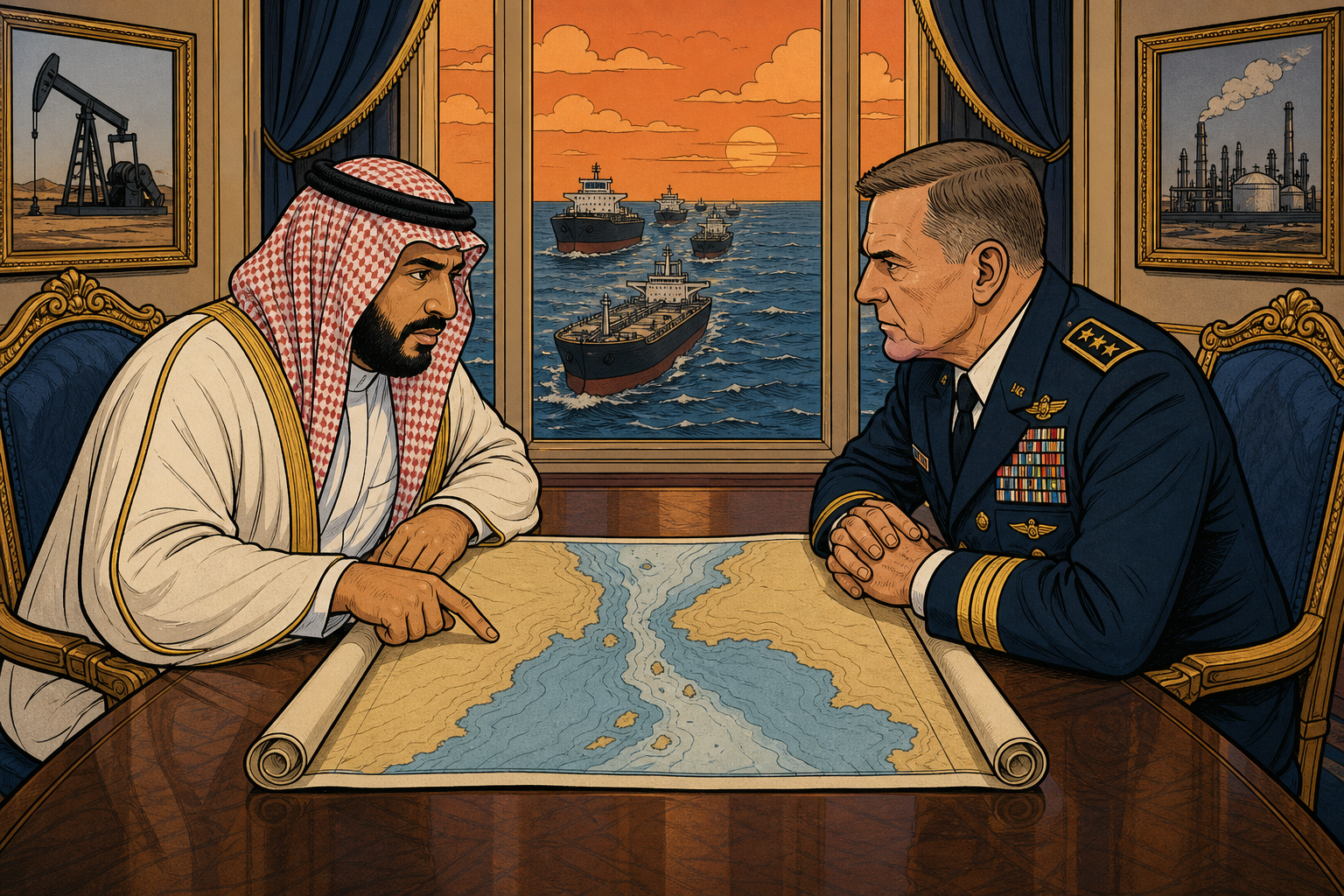
“These are long-range sanctions — strikes on military logistics, the oil industry, and air defense. It is a just response to Russia's brutal attacks.”
Volodymyr Zelensky — paraphrased from his June 21, 2026 remarks (Al Jazeera; The Defense Post)
Hours after the strikes, Crimean authorities pulled civilian fuel off the market entirely. From 9:00 a.m. local time, gas stations across the peninsula stopped selling to individuals and businesses, reserving supply for “government agencies that ensure the functioning and security of the Republic of Crimea.” In Sevastopol, Moscow-appointed governor Mikhail Razvozhayev said fuel deliveries were being delayed and that he had canceled a scheduled petrol allocation to private drivers.
The halt did not come out of nowhere. Emergency rationing had already begun in late May: motorists were capped at 20 litres of AI-92 gasoline per week through a prepaid-coupon system, filling jerry cans was banned to stop hoarding, and TES — the peninsula’s largest station chain, with 115 forecourts — suspended its voucher service on June 1. Both Razvozhayev and Aksyonov had warned the shortage could last “at least 30 days.”
Ukraine struck both sides of the occupied Crimean Bridge overnight, hitting an oil depot in Kerch and an oil-transport terminal at Chushka in Russia's Krasnodar region, Zelensky says. Crimea has halted civilian fuel sales.
Russian-installed authorities in occupied Crimea suspended civilian gasoline sales after Ukrainian strikes on oil facilities, reserving fuel for state agencies. Crimea's Moscow-installed head reported four killed and 28 wounded overnight.
The June 21 strike was the climax of a weeks-long campaign rather than an isolated raid. Earlier in June, Ukraine’s Special Operations Forces released footage of drone strikes on the Semikolodyansk oil depot in eastern Crimea and a marine oil terminal at Feodosia, calling the sites transshipment points the occupiers use to store and move fuel oil, diesel and bitumen. Ukrainian forces have also hammered the “land bridge” supply routes feeding the peninsula — striking fuel convoys, transport hubs and bridges connecting occupied Kherson region to Crimea.
The Institute for the Study of War assessed on June 20 that Ukrainian forces were “systematically” striking the bridges and transport infrastructure that sustain Russian logistics in occupied Kherson region and Crimea, and that those strikes were already disrupting Russian resupply. Euronews reported that military cargo traffic along the R-280 “Novorossiya” highway had fallen sharply over a two-week stretch — a claim that, like all battlefield assessments, is presented as reporting, not as an independently confirmed total.
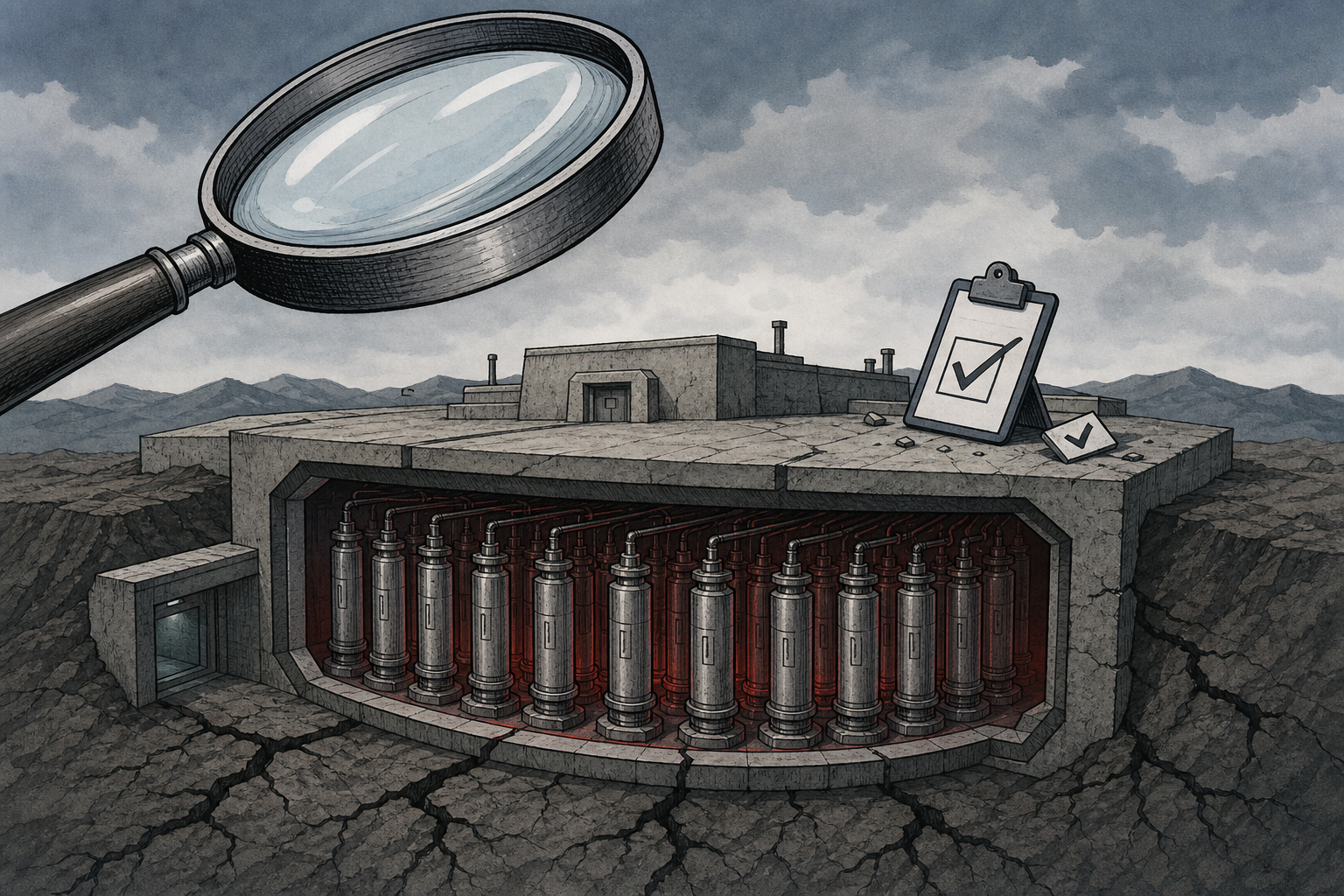
Kyiv’s stated logic is economic as much as military: hit the refineries, depots and terminals, and you drain the cash that pays for the war. Analysts cited by the National Security Journal estimate Ukraine’s broader deep-strike campaign has cost Russia up to $100 million a day in lost potential oil earnings, with a large share of major Russian refineries struck at least once and May 2026 refinery output reported as the lowest since 2009. These are analyst estimates from outlets including OilPrice.com, Bloomberg and Reuters — directional, not audited figures.
The squeeze is visible at the pump. With roughly a quarter to a third of Russian refining capacity estimated offline at points this spring and a domestic gasoline export ban running through July 31, occupied Crimea — at the far end of a long, now-contested supply chain — is among the first places to run dry. The fuel crisis has also gutted the peninsula’s summer tourism season, with mass booking cancellations reported as the holiday period opened.
Crimea has been under Russian control since its illegal 2014 annexation, condemned by the UN General Assembly and not recognized by most of the world. The peninsula is headquarters to Russia’s Black Sea Fleet, which makes its fuel logistics a military target as well as a civilian lifeline.
Russian-installed leadership named in the strike response: head of Crimea Sergey Aksyonov and Sevastopol governor Mikhail Razvozhayev. Their casualty and logistics statements are reproduced here as the occupying authorities’ own claims.
Ukraine presents the strikes as lawful military pressure on logistics and the war economy, stressing that it does not target civilians and that the hit facilities were oil and fuel infrastructure roughly 300 kilometers from the front line. Russia’s installed Crimean authorities present the same events as attacks that killed and wounded civilians and disrupted ordinary life, and emphasize the air-defense interceptions. Both framings are reported here as attributed claims, not as settled fact.
What is not in dispute is the outcome on the ground: a sweeping suspension of civilian fuel sales, the worst Crimean energy crisis since 2014, hours-long queues, coupon rationing, a temporary ferry shutdown, and localized power outages confirmed by the Krymenergo utility. The disagreement is over cause, blame and legitimacy — not over whether the peninsula ran short of fuel.
June 21 marked a turning point in a slow strangulation: Ukraine’s long-range drone campaign moved from inconveniencing occupied Crimea to forcing it to ration, then to halting civilian fuel sales outright. The strategy is straightforward — sever the oil that fuels both Russia’s economy and its military presence on the peninsula — and its effects are now measurable in shuttered pumps, suspended ferries and a collapsed tourist season. Whether the squeeze becomes a durable strategic shift or eases as Russia reroutes supply is the open question, and we will track it as the campaign continues.
- 1.The Jerusalem Post — 'Ukraine attacks Russian oil assets, causing Crimea to halt fuel sales,' June 21, 2026
- 2.NPR / AP — 'Ukrainian attacks prompt Russian-held Crimea to halt civilian gasoline sales,' June 21, 2026
- 3.Al Jazeera — 'Ukraine strikes hit oil facilities in Crimea, Russia's Krasnodar,' June 21, 2026
- 4.The Defense Post — 'Ukrainian Strikes on Russian-Annexed Crimea Kill 4, Pause Fuel Sales,' June 21, 2026
- 5.Euronews — 'Russian-occupied Crimea suspends petrol sales amid fuel crisis,' June 21, 2026
- 6.CBC News — 'Russian-held Crimea halts civilian gasoline sales following Ukrainian attacks,' June 21, 2026
- 7.The Kyiv Independent — 'Ukraine strikes oil depot, marine terminal in occupied Crimea, releases footage of attack,' June 2026
- 8.The Kyiv Independent — 'Ukraine strikes both sides of the occupied-Crimean Bridge in overnight drone attack, Zelensky says,' June 21, 2026
- 9.RFE/RL — 'Russian Authorities Halt Fuel Sales In Occupied Crimea,' June 21, 2026
- 10.The Moscow Times — 'Annexed Crimea's Largest Gas Station Chain Suspends Fuel Vouchers as Shortage Worsens,' June 1, 2026
- 11.Institute for the Study of War (via Kyiv Post) — 'Russian Offensive Campaign Assessment, June 20, 2026'
- 12.Kyiv Post — 'Crimea and Sevastopol Halt Civilian Fuel Sales Amid Logistical Disruptions,' June 21, 2026
- 13.Euronews — 'Ukraine's drone strikes are methodically cutting Crimea off from Russia,' June 12, 2026
- 14.National Security Journal — 'Ukraine's Drone Strikes Are Costing Russia Up to $100 Million a Day in Lost Oil Earnings,' June 2026
Last updated June 21, 2026