A Reporter Hid an AirTag in a Rare Book. It Led Straight to an Amazon Warehouse Built to Destroy Books for AI.
- 1,000 Books the size of the bulk order 404 Media traced through Biblio, a used-book marketplace that lets buyers stay anonymous — 404 Media, Aug. 17, 2026
- VGT3 the internal Amazon unit, inside its LAS8 warehouse in North Las Vegas, where workers cut book spines and scan every page — 404 Media / Las Vegas Review-Journal
- $1.5 Billion what Anthropic agreed to pay authors after court filings showed it ran a similar operation, code-named “Project Panama,” to destructively scan millions of books — Authors Guild, July 2026
- Before 2022 the publication cutoff AI companies look for in old books, since nothing printed before generative AI existed could have been written by a language model — NPR, Aug. 19, 2026
A rare-book dealer on Biblio kept fielding the same strange request: enormous, thematically random orders that made no sense for a library or a collector. So 404 Media reporter Emanuel Maiberg slipped an Apple AirTag inside one volume of a 1,000-book order and watched where it went.
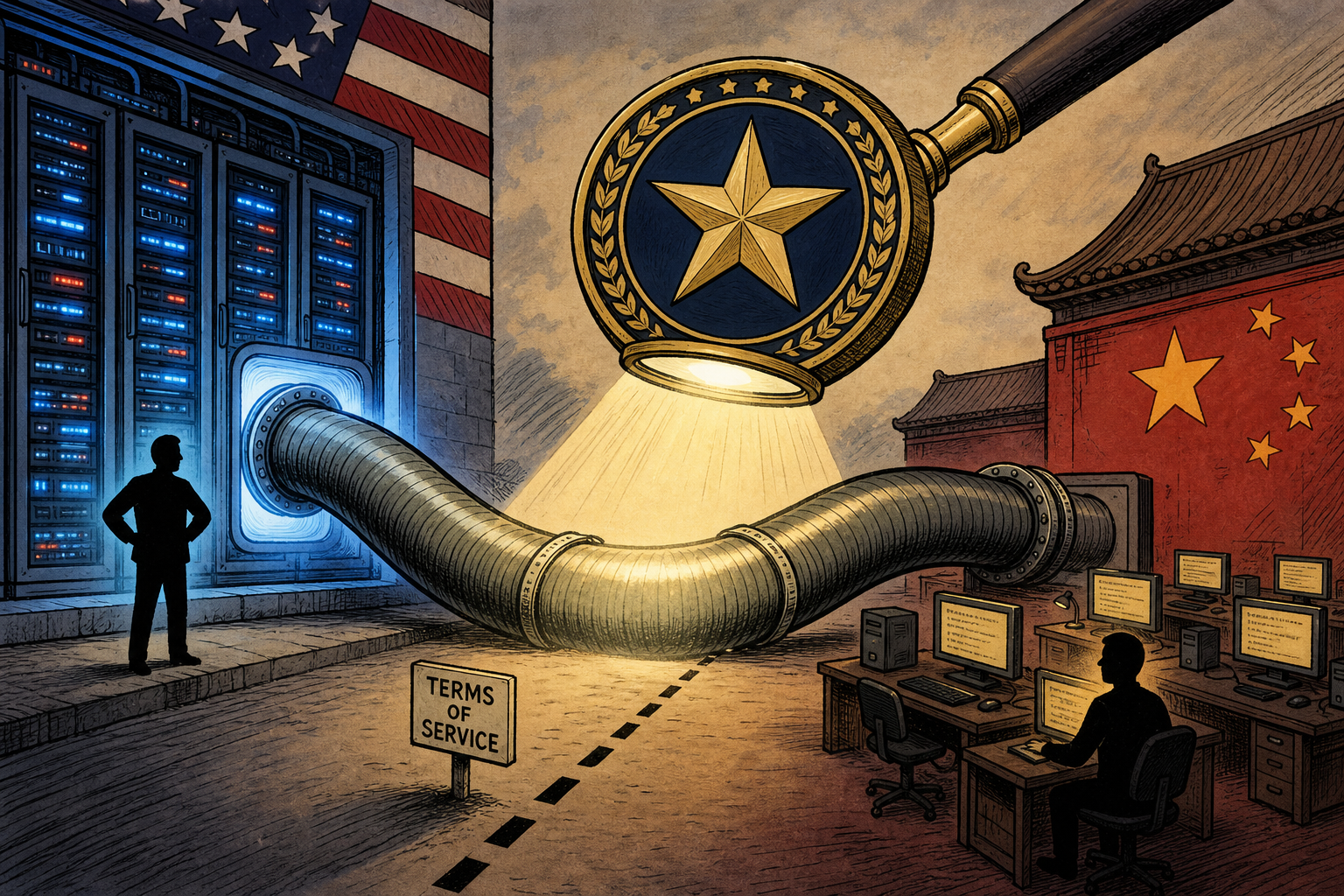
The tag traveled from California through Wisconsin and Colorado before stopping at an Amazon complex in North Las Vegas — inside a unit called VGT3, marked by a logo of a Tyrannosaurus rex clutching a book in its jaws. Workers there told 404 Media their job is to slice the bindings off books all day and scan every page, destroying the physical copy in the process. Amazon’s response was not a denial: “Amazon purchases books through commercial channels to help develop and improve the products and services our customers use.”
Booksellers on Biblio had noticed the pattern for almost two years before Maiberg tested it. Since around September 2024, some sellers told the Las Vegas Review-Journal, single buyer accounts were placing bulk orders with no thematic logic — one seller counted 68 orders from a single buyer, and others described accounts ordering books daily — the kind of buying no library or collector does. One bookseller who worked with 404 Media put the loss in plain terms: “There are different types of value. There’s monetary value, obviously, but there are a lot of other types of value. There’s historical value, intellectual value, sentimental value.”
The AirTag settled the question of where that value was going. It rode from California to Wisconsin to Colorado before arriving at Amazon’s LAS8 fulfillment center at 5801 N. Nicco Way — specifically at VGT3, the unit at the north end of the warehouse where, per 404 Media and GeekWire’s reporting, some employees are assigned to slice spines off books while others scan ISBN barcodes and pages.
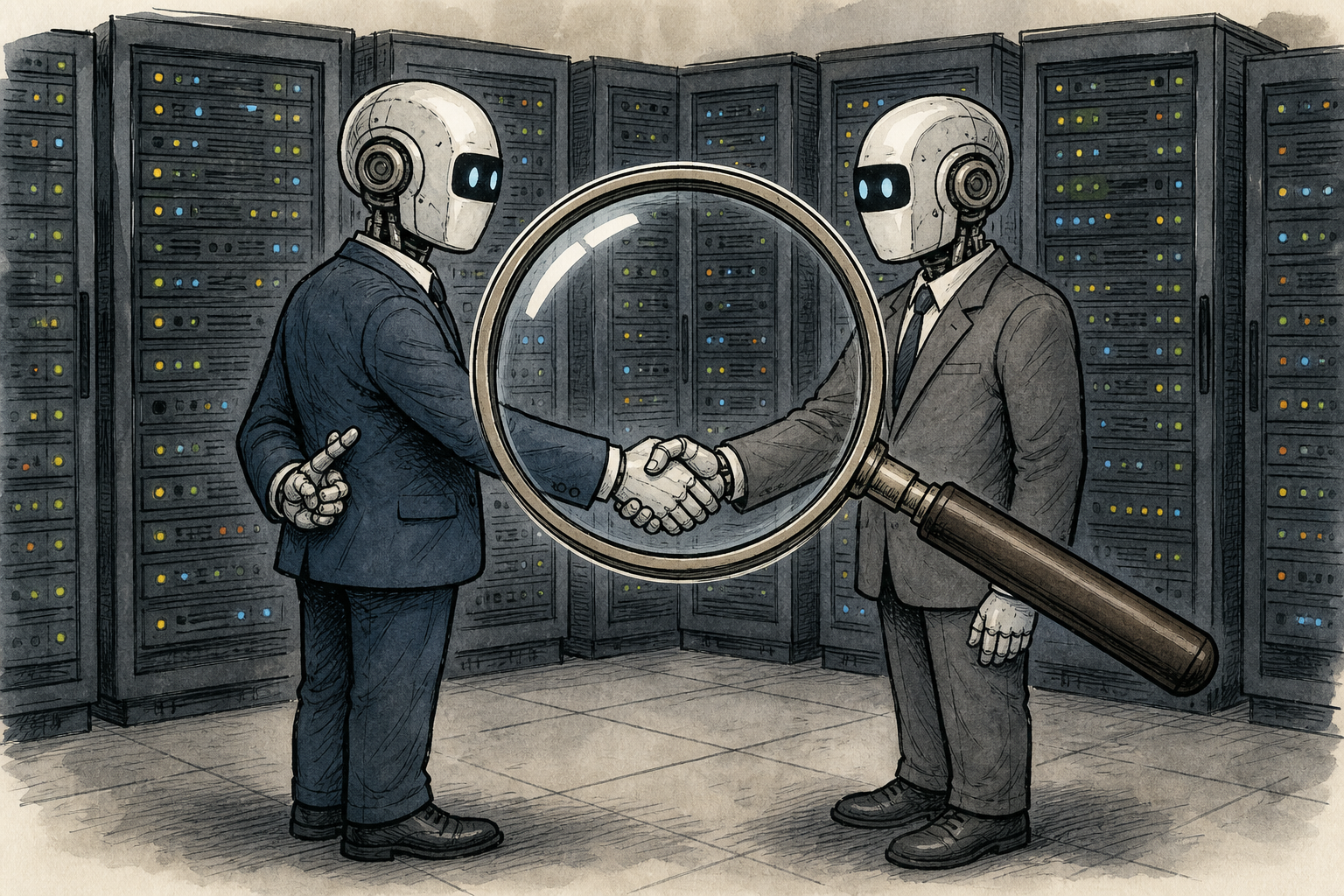
VGT3’s process is mechanical and, by design, permanent. Books arrive by the truckload; workers scan each ISBN to check it against a list of titles the operation still needs, then strip the binding so pages feed through a scanner faster than an intact book ever could. What’s left afterward is unusable. Publishers Lunch reported the operation is split into two roles — “some are assigned to cut books, and others go to receive where they get books and scan the barcodes” — a division of labor built for volume, not preservation.
By one account reported by Entrepreneur, the facility nearly went idle earlier in 2026 after it ran out of qualifying inventory — evidence VGT3 isn’t scanning everything that passes through Amazon’s supply chain, but hunting specific titles it doesn’t already have digitized. Amazon has confirmed that VGT3 exists and that it buys books “through commercial channels.” It has not said, on the record, that the scans feed its AI models — that inference comes from what 404 Media found on the ground, not from an Amazon admission.
The appeal of an out-of-print instruction manual or a self-published niche title isn’t nostalgia — it’s scarcity. Large language models have already consumed most of the searchable, English-language internet, and retraining on the internet’s newer, increasingly AI-generated output risks what researchers call model collapse: each generation of a model trained on the last generation’s synthetic text measurably degrades. A physical book that predates ChatGPT’s late-2022 public release comes with a guarantee no scraped webpage can offer — every word of it was written by a human.
“Printed books are valuable as training data because a lot of the text they contain is not readily available on the internet, which AI companies have already scraped.”
Emanuel Maiberg, 404 Media

The buy-scan-destroy method has a legal history, and Amazon didn’t write it. That history runs through Anthropic, in a case that already answered the exact legal question VGT3’s existence raises.
Buying a physical book, scanning it, and destroying the original isn’t a legal gray area. A federal judge ruled on exactly that question in the Anthropic case — and sided with the AI company. What sank Anthropic wasn’t the scanning; it was pirating millions of additional books instead of buying them. Amazon’s version, as 404 Media found it, skips the part that got Anthropic sued.
The story moved fast once it published. “Journalists hid an Airtag in a rare book shipment and confirmed Amazon to be one of the buyers behind the bulk orders destroying rare-books to feed their AI,” the account International Cyber Digest posted, one of many accounts that pushed 404 Media’s reporting well past its usual readership within a day.
BREAKING: Journalists hid an Airtag in a rare book shipment and confirmed Amazon to be one of the buyers behind the bulk orders destroying rare-books to feed their AI. They tracked it to Amazon's LAS8 warehouse in Las Vegas, home to VGT3 (see logo below), a scanning operation
Newser’s summary for its own readers captured the same throughline: a stack of rare books, a reporter’s tracking device, and a warehouse most people had never heard of.
A stack of rare books led 404 Media straight to an Amazon operation that scans—and destroys—such works for its AI training. Reporter Emanuel Maiberg writes that...
On Slashdot, where the story generated one of its larger reader threads, the debate split less over whether it happened and more over what counts as a “rare” book worth protecting — and whether an ISBN barcode is doing more to decide a book’s fate in 2026 than its contents ever will.
Set against Amazon’s own history — it was, after all, an online bookstore before it was anything else — the optics of a warehouse built to destroy books are hard to miss. Literary Hub and Futurism both note the operation joins similar destructive-scanning efforts already documented at Meta, Google, Microsoft, and OpenAI; Amazon is late to the practice, not the inventor of it.
What remains unconfirmed is the piece with the clearest legal stakes: whether any title moving through VGT3 came from a pirated source the way millions of Anthropic’s books did, or whether — as Amazon’s statement implies — every book was purchased first. Nothing that 404 Media, TechCrunch, NPR, or the Review-Journal has reported so far suggests Amazon skipped the purchase.
A 404 Media reporter hid an AirTag in a 1,000-book order and traced it to VGT3, an Amazon unit inside its LAS8 warehouse in North Las Vegas where workers cut book spines and scan every page before discarding what’s left. Amazon has confirmed the unit and its buying practice but not, on the record, that the scans train its AI. The method itself — buy, scan, destroy — was already tested in federal court through Anthropic’s “Project Panama” and ruled fair use; what made Anthropic pay $1.5 billion was pirating books instead of buying them. Whether Amazon’s books were all purchased, as its statement implies, is the open question reporting hasn’t yet closed.