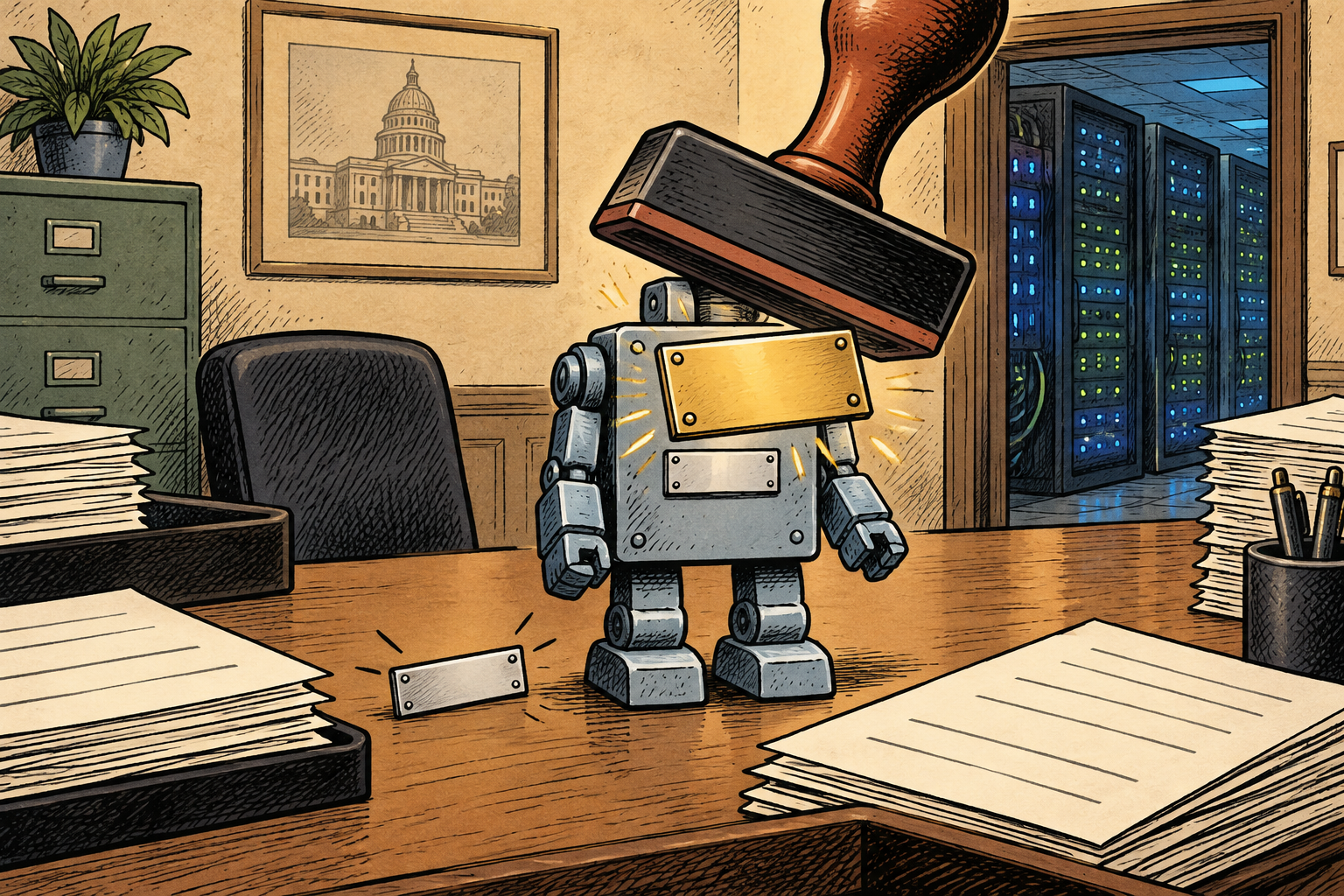
OpenAI Pledges to Stop Using NDAs With Officials and to Pay Its Own Power Bills After Data-Center Backlash
November 5, 2026. Two days after voters in several states turned down data-center projects at the ballot box, OpenAI published what it calls a National Community Compact. It says OpenAI will stop using non-disclosure agreements with public officials when negotiating future sites, and will pay all electricity and infrastructure costs at campuses it owns and operates.
It is a company pledge, not a law. Much of the document is a list of rules OpenAI asks local, state and federal officials to adopt. This page separates what OpenAI commits to from what it asks others to do, and shows the fights that produced it.
- 40 of 41ballot measuresData-center ballot measures decided Nov. 3 that went against data centers, per Ballotpedia as cited by Fox Business.
- 7 in 10oppose local data centersWashington Post-ABC-Ipsos poll, including a majority of Republicans, as reported by Fox Business.
- 63%of the 2025-26 price riseThe PJM market monitor attributes this share of the 2025-26 increase to data centers, per Maryland Matters.
Per Fox News and Politico, OpenAI says it will stop using NDAs with public officials during negotiations over future data-center sites, pay all electricity and infrastructure costs at campuses it owns and operates, give residents construction plans and information on traffic, noise and lighting, prioritize closed-loop cooling, work with local unions, and invest in community projects residents choose. Chief global affairs officer Chris Lehane called the blueprint “really laying out the best lessons that we have learned,” per Fox Business. Fox News reports the policies have been in development since August.
The blueprint asks utilities to make large customers cover the grid costs they add, and to protect other ratepayers if a project falls through. It would let utilities throttle data-center power at peak demand, require public reporting on water, energy, noise and jobs, and narrow, not eliminate, developers’ ability to require officials to sign NDAs. Narrow protections remain for security information, trade secrets and competitively sensitive data. Those asks bind no one until a legislature or regulator adopts them.
In Effingham County, Georgia, a large OpenAI campus drew Sen. Raphael Warnock (D-GA), who in August called for a statewide moratorium and said the process was closed and “needs to be cleaned up,” per the AJC and WTOC. OpenAI has pledged $80 million in community benefits there. In October, Democratic senators including Elizabeth Warren (D-MA), Richard Blumenthal (D-CT) and Chris Van Hollen (D-MD) released a report arguing operators shift costs to ratepayers and use NDAs to suppress scrutiny, per a King & Spalding summary. Gov. Wes Moore (D-MD) signed an order barring state agencies from new NDAs with data-center developers, per the same summary.
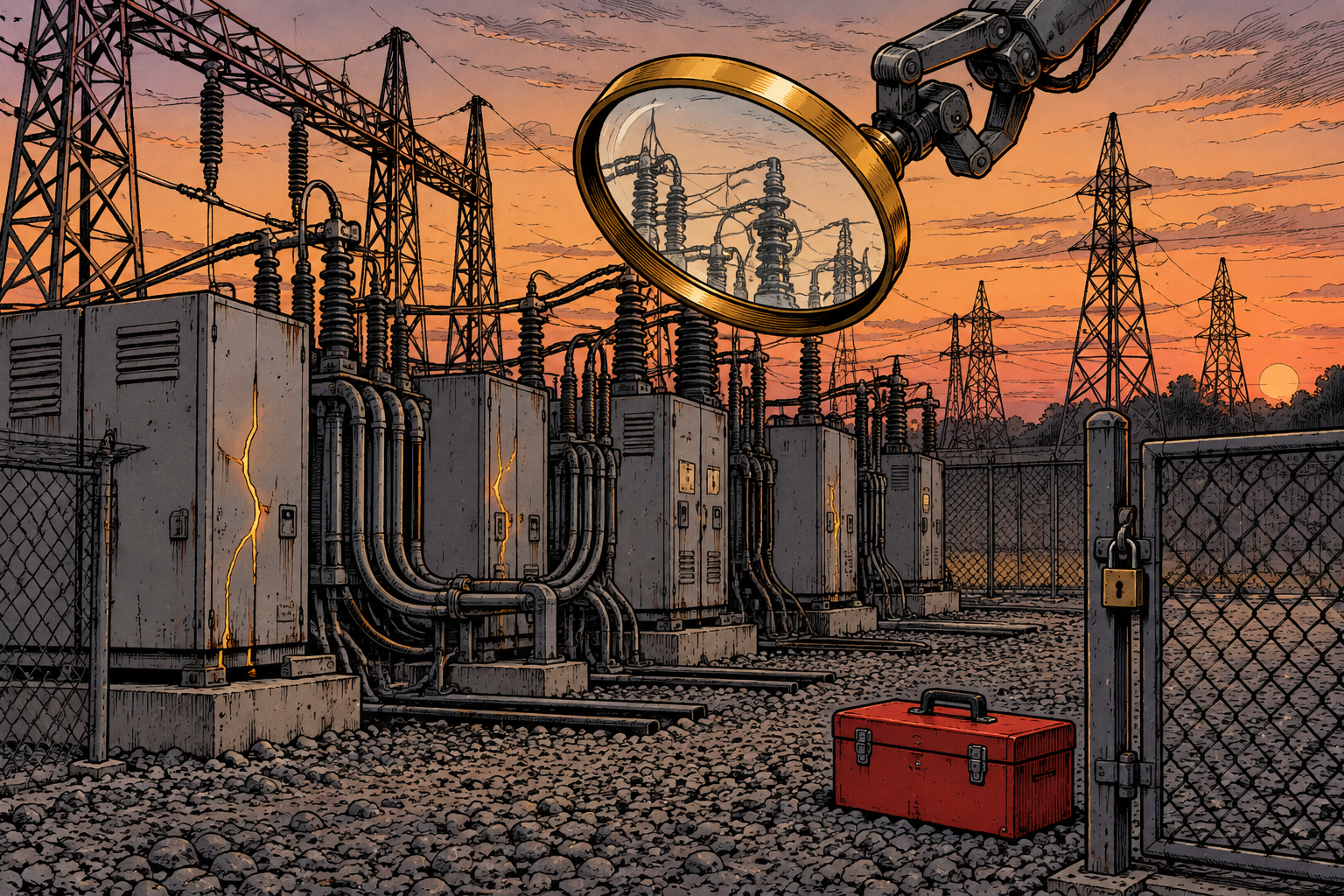
The cost question is real. PJM’s capacity auction cleared at its price cap again, with about $16.4 billion in payments to generators over the year starting June 2028 and a shortfall of roughly 6,600 megawatts, per Maryland Matters. Inside Climate News, in a 2025 piece on an earlier auction, estimated residential increases of about $18 a month in western Maryland and $16 in Ohio.
Of 41 data-center ballot measures decided November 3, all but one went against data centers, per Ballotpedia as cited by Fox Business. In Ohio, 64.73 percent of Defiance voters backed restricting construction, as did 73.62 percent in Pataskala and 82.45 percent in Granville. OpenAI president Greg Brockman said the day before the compact, “We need to do a better job of really communicating to people, to local communities,” per Fox News. Fox News says several newly elected Democratic governors pledged to pause new permits; Fox Business attributes moratorium positions to Texas Democrat Gina Hinojosa and Ohio Democrat Amy Acton.
Documented: OpenAI published the compact on Nov. 5; the no-NDA and pay-its-own-costs pledges; the ballot results; the Georgia and Michigan disputes.
Not yet tested: whether the pledges hold at existing sites, which are not covered, and what counts as costs OpenAI “pays” when a utility sets the rate.
Not documented: any independent audit of the pledge, or enforcement beyond OpenAI’s word.
Voters said no, and within two days the industry leader promised to stop signing secrecy deals with local officials and to pay its own power bills. That is a company’s promise, and the next test is the contract at the next site.