Britain Will Cut Off Teen Social Media at Midnight.
It Left the VPN Loophole Wide Open, On Purpose.
On July 15, the UK’s Department for Science, Innovation and Technology confirmed the mechanics of Britain’s newest rule for teenagers: starting in Spring 2027, 16- and 17-year-olds will find Instagram, TikTok, YouTube, Snapchat, Facebook, and X switched off by default between midnight and 6 a.m., with autoplay and algorithm-driven infinite scroll disabled by default the rest of the day, too.
Technology Secretary Liz Kendall called the measures “crucial in helping young people get the sleep they need, focus on school and college, and spend more quality time with family and friends” — the follow-through on a broader under-16 social media ban Prime Minister Keir Starmer announced a month earlier, on June 15, which takes effect even sooner, in early 2027.
Both policies share one deliberate gap: VPNs, the standard tool for dodging geographic and age restrictions online, are explicitly untouched. And across the Atlantic, the Trump administration has told London in writing that the whole approach — VPN loophole included — is a mistake with a much bigger name than a settings menu: censorship.
- Midnight–6 a.m. — the default curfew window blocking 16- and 17-year-olds from major social apps starting Spring 2027 · Source: GOV.UK / DSIT
- 7% — of UK children use a VPN specifically to bypass age checks; the most common evasion method — used by 45% — is simply entering a false birth date · Source: TechRadar
- 10% of global revenue — the maximum fine Ofcom can levy under the Online Safety Act — over $16 billion for Meta alone · Source: Silicon Canals
- 60% — of Australian under-16s are “getting around the ban” already in force there, per Cambridge psychologist Sander van der Linden · Source: University of Cambridge
- “You're making a mistake.” — Donald Trump's in-person warning to PM Keir Starmer about censoring Truth Social under the UK's Online Safety Act · Turnberry, Scotland, July 28, 2025 · Source: LBC
The July 15 announcement is the second half of a plan Starmer set in motion on June 15, when he unveiled Britain’s under-16 social media ban — modeled on Australia’s, but going further by also blocking livestreaming and stranger-contact features outright. That ban takes effect in early 2027. The midnight curfew and the autoplay/infinite-scroll shutoff, aimed at the 16-and-17 age bracket the under-16 ban doesn’t reach, follow a few weeks later, in Spring 2027, once regulations are laid before Parliament by the end of this year.
DSIT says the curfew design isn’t a guess: a government pilot involving more than 300 teenagers and parents found overnight cutoffs improved sleep and concentration, and it is a default, not a mandate — teens can switch it back on in their account settings. Messaging apps including WhatsApp and Signal are excluded from both policies; the video and feed-based platforms are not.
The Department for Science, Innovation and Technology made the announcement official on GOV.UK the morning of July 15, framing the curfew and the feature-limits together as one package rather than two separate rules.
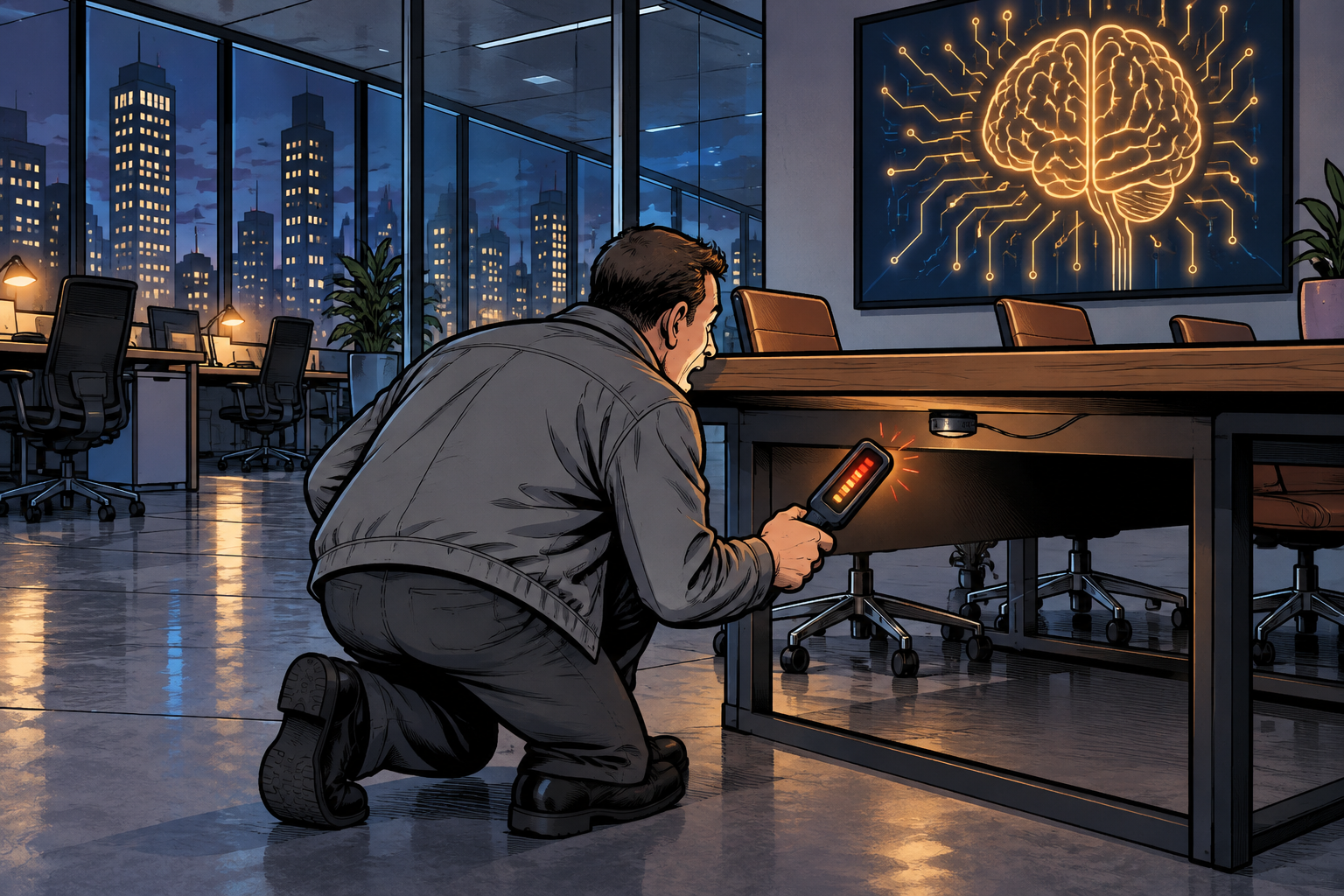
Online Safety Minister Kanishka Narayan pushed back directly on the obvious criticism — that a default a teenager can flip off in one tap is no rule at all. He called that framing a “disservice,” pointing to an earlier round of platform defaults introduced in October: “90%-plus teenagers said to us that they’ve maintained those defaults.” His framing for the whole program is deliberate, not absolute: a “smooth slope, not a cliff edge” into adulthood.
Kanishka Narayan, Online Safety Minister: “I wouldn’t do the disservice to teenagers of saying they’re all going to switch it off.”
Chris Sherwood, CEO, NSPCC: the proposals “will go some way to improving the experiences of young people on social media,” but risk being “a sticking plaster that fails to address the addictive design features which are driving high screentime and undermining children’s wellbeing.”
Rachel de Souza, Children's Commissioner for England: called it a “positive step,” but wants to “know more about how the policies… will be delivered” and says she’ll be “watching closely to make sure they are effective.”
Laura Trott, Conservative education spokesperson: “Either they think 16- and 17-year-olds should be on social media or they don’t, but curfews they can simply switch off won’t achieve anything.”
Education Secretary Bridget Phillipson has kept the door open to going further, telling reporters “it’s not a question of whether there is further action here, it’s what that action looks like” — and confirming the voluntary element of the curfew will stay under review rather than being treated as a finished policy.
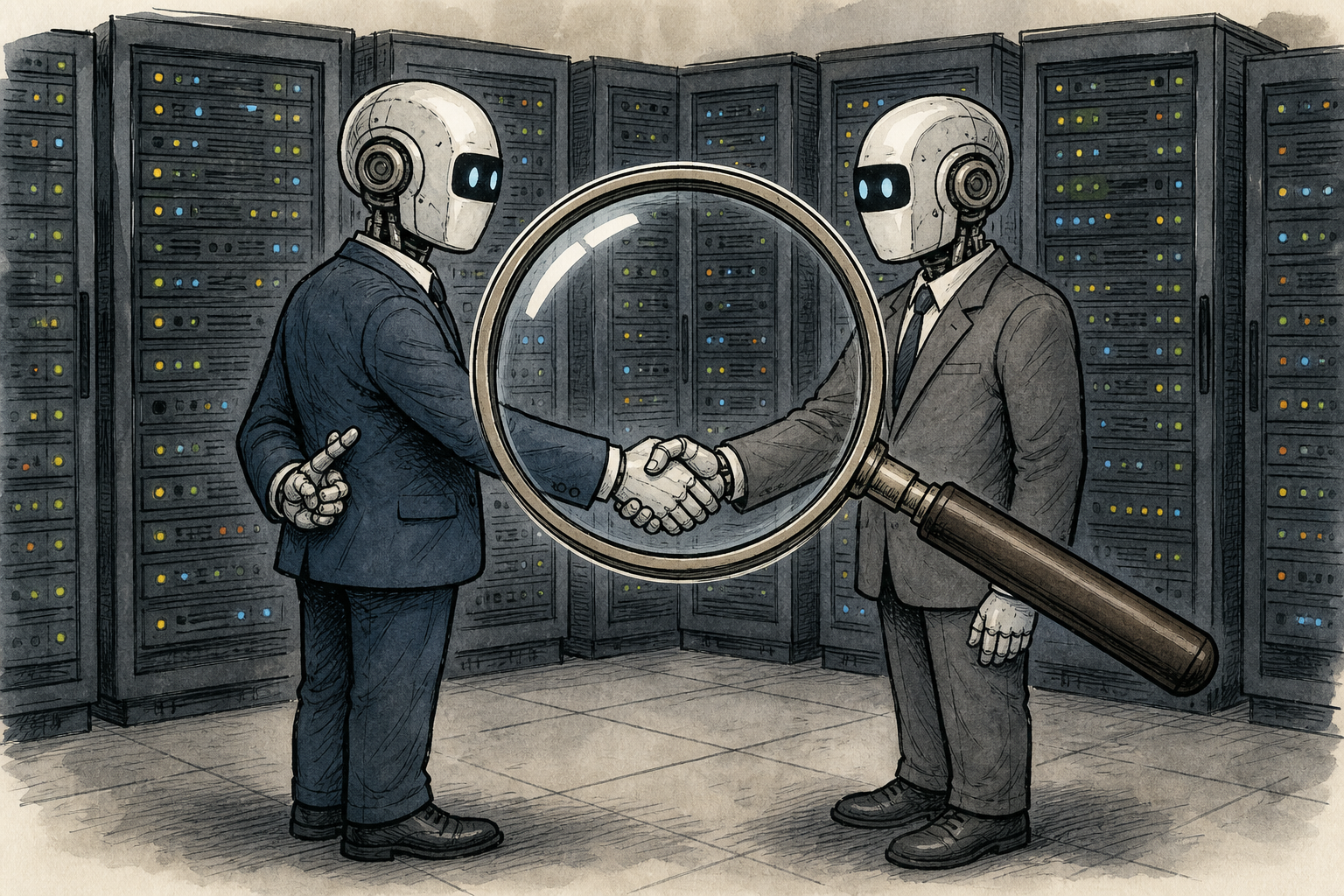
The most counterintuitive decision in the whole package is what the government chose to leave alone. Neither the curfew nor the under-16 ban restricts VPNs — the obvious tool for a teenager to fake a different country and a different age gate. Officials say that isn’t an oversight: their own research found only about 7% of UK children use a VPN specifically to beat age checks, rising with age to roughly 43% of older teens who succeed at bypassing checks by any method. The dominant workaround, used by 45% of children who get past a check, is far lower-tech — typing in a false birth date.
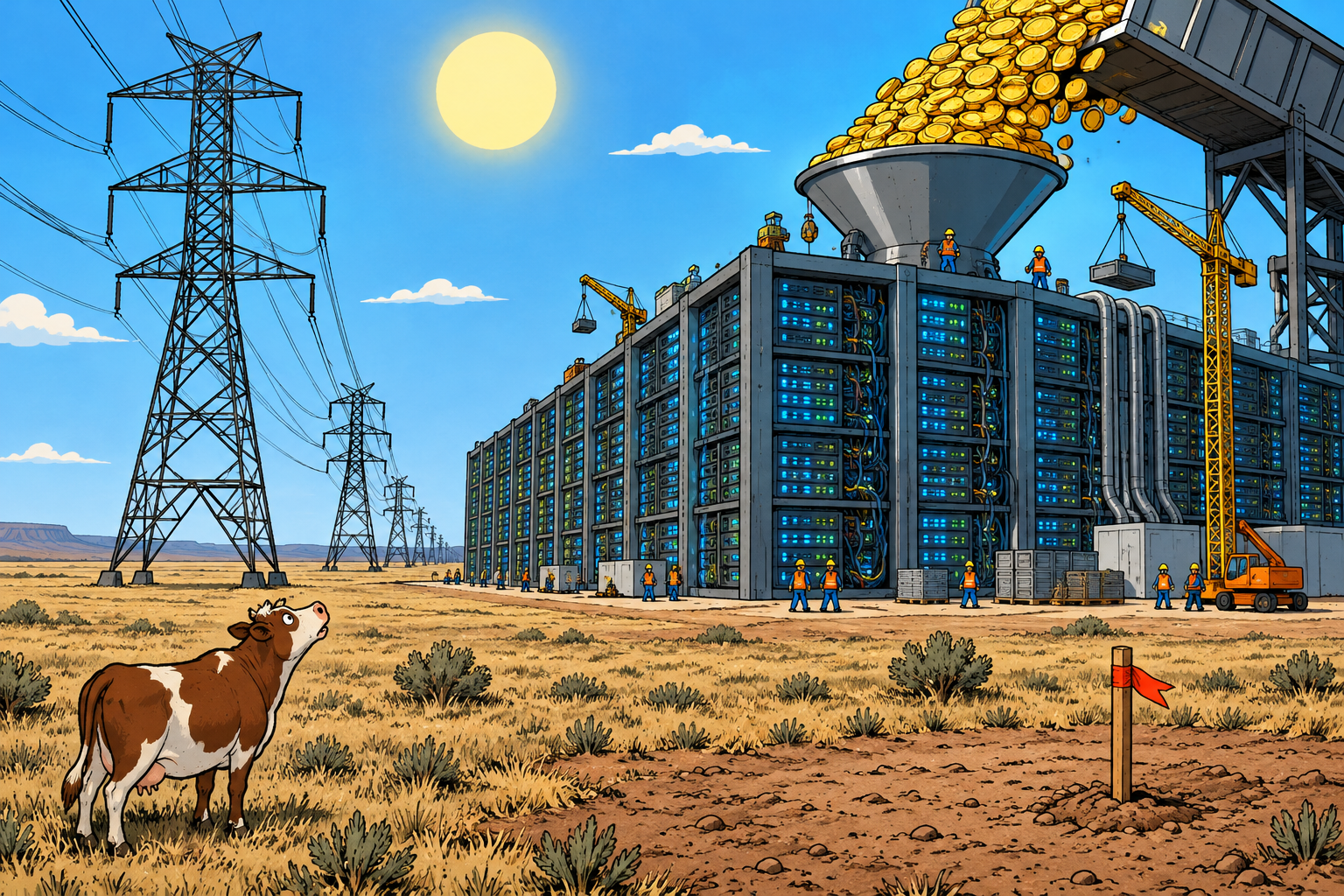
Ofcom’s own record supplies the skepticism. In its first 12 months enforcing the Online Safety Act, the regulator opened investigations into 30 companies covering 96 sites and apps, issued 16 fines against 6 providers totaling roughly £4 million — and has collected just £55,000 of it. Four cases closed only because the platforms in question geoblocked UK users rather than comply. Australia, whose under-16 ban has been in force since December 2025, offers a preview: the eSafety Commissioner is investigating Snapchat, TikTok, YouTube, Facebook, and Instagram for non-compliance, a University of Newcastle study found more than 85% of under-16 participants still using social media three months after the ban, and Canberra doubled maximum penalties to roughly $69 million Australian in June after children were found bypassing checks with VPNs and, in some documented cases, drawn-on mustaches for facial-age scans.
“If you look at what's happening in Australia right now, 60% of kids are getting around the ban.”
Sander van der Linden, Professor of Social Psychology, University of Cambridge
Social media analyst Matt Navarra was blunter about the UK curfew specifically, dismissing it as “little more than a mildly annoying settings prompt dressed up as a regulation.” Ministers are betting the opposite: that most teenagers, like most adults, keep whatever default they’re handed.
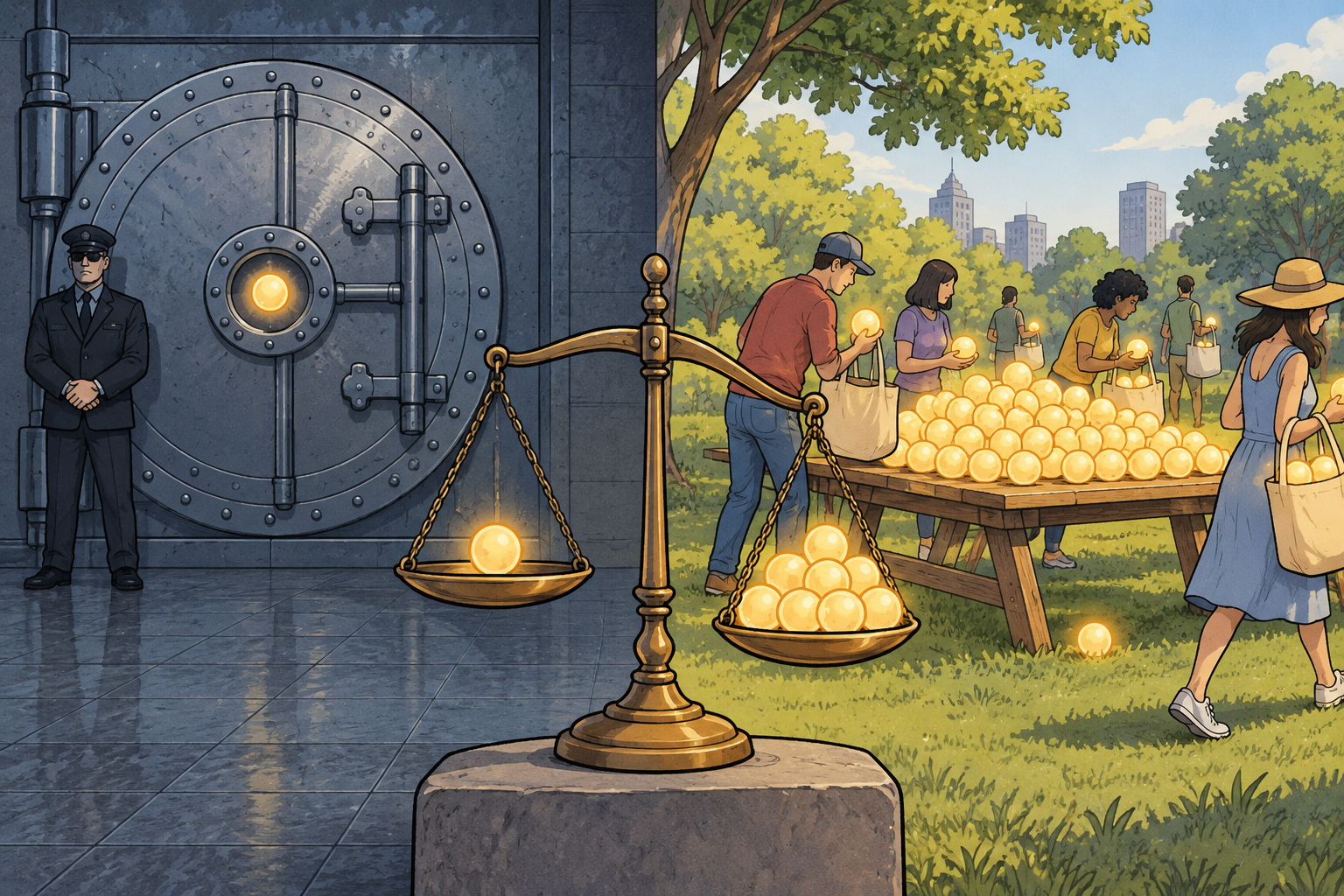
The American objection to Britain’s approach isn’t about enforcement realism — it’s constitutional. In its formal submission to the UK’s “Growing up in the online world” consultation, the Trump administration told London that “most content should remain accessible by default, including political speech,” and that “we believe an open internet is essential to the preservation of free speech.” Vice President JD Vance had already delivered the same message in person, warning Deputy Prime Minister David Lammy that Britain risked a “dark path” on free expression.
The dispute is personal for Trump specifically because of the platform he owns. Meeting Starmer at Turnberry, Scotland on July 28, 2025 — the day the UK’s Online Safety Act took effect — Trump raised the possibility of Truth Social getting caught in the law’s content rules directly with the prime minister.
“I only say good things about him and his country, so if you censor me, you're making a mistake.”
Donald Trump to PM Keir Starmer, Turnberry, Scotland, July 28, 2025 — via LBC
Starmer answered in the moment that “we’re not censoring anyone” and that the law targets child protection, not political speech. That distinction hasn’t satisfied everyone in Trump’s orbit. Elon Musk, reacting to Starmer’s broader under-16 ban the same month it was announced, called it a “police state” measure and “a wolf in sheep’s clothing,” writing that “the real goal is to enable the UK government to track everyone.” Musk has not commented specifically on the July 15 curfew and autoplay rules, but his broader objection — that age-verification infrastructure built for children becomes surveillance infrastructure for everyone — is the same one American officials raised in their consultation response.
June 15, 2026: Starmer announces the under-16 social media ban, modeled on Australia’s but broader.
July 15, 2026: DSIT confirms the midnight-to-6am curfew and autoplay/infinite-scroll shutoff for 16- and 17-year-olds.
By end of 2026: both sets of regulations are laid before Parliament.
Early 2027: the under-16 ban takes effect.
Spring 2027: the curfew and addictive-feature defaults take effect.
Ofcom remains the backstop regardless of how the VPN and false-birth-date gaps play out: the regulator can fine noncompliant platforms up to £18 million or 10% of qualifying global revenue, whichever is larger — a formula that could, in theory, size a UK penalty against a platform’s entire worldwide earnings, not just its UK business. That scale of exposure is precisely what the Trump administration’s consultation response objected to on behalf of American technology companies, making this less a story about one curfew than about which government gets to set the default for how a teenager’s phone behaves at 1 a.m.
Britain built the most detailed teen social media rulebook of any Western democracy in a single month — a midnight curfew, an autoplay kill switch, and a full under-16 ban, backed by a fine of 10% of global revenue. It also built in the loophole on purpose: VPNs stay legal because the government’s own data says barely one in fourteen kids bothers with one. Whether that bet on defaults holds, or whether Britain ends up like Australia — writing bigger fines because kids found the workaround anyway — is still an open question. Washington isn’t waiting to find out; it has already told London the experiment itself is the problem.