Abdul El-Sayed Says He ‘Hates’ One of Michigan’s Most Beloved Islands. Now Everyone Knows.
- 2020 the year “How to Fix a Primary,” the documentary that captured El-Sayed's Mackinac Island remarks, was released — The Midwesterner, Aug. 7, 2026
- 3 days after Abdul El-Sayed's Aug. 4 Senate primary win that the old clip resurfaced online — Fox News, Aug. 7, 2026
- ~1 point El-Sayed's margin over Rep. Haley Stevens (D-MI) in Michigan's Aug. 4, 2026 Democratic Senate primary — Washington Times, Aug. 7, 2026
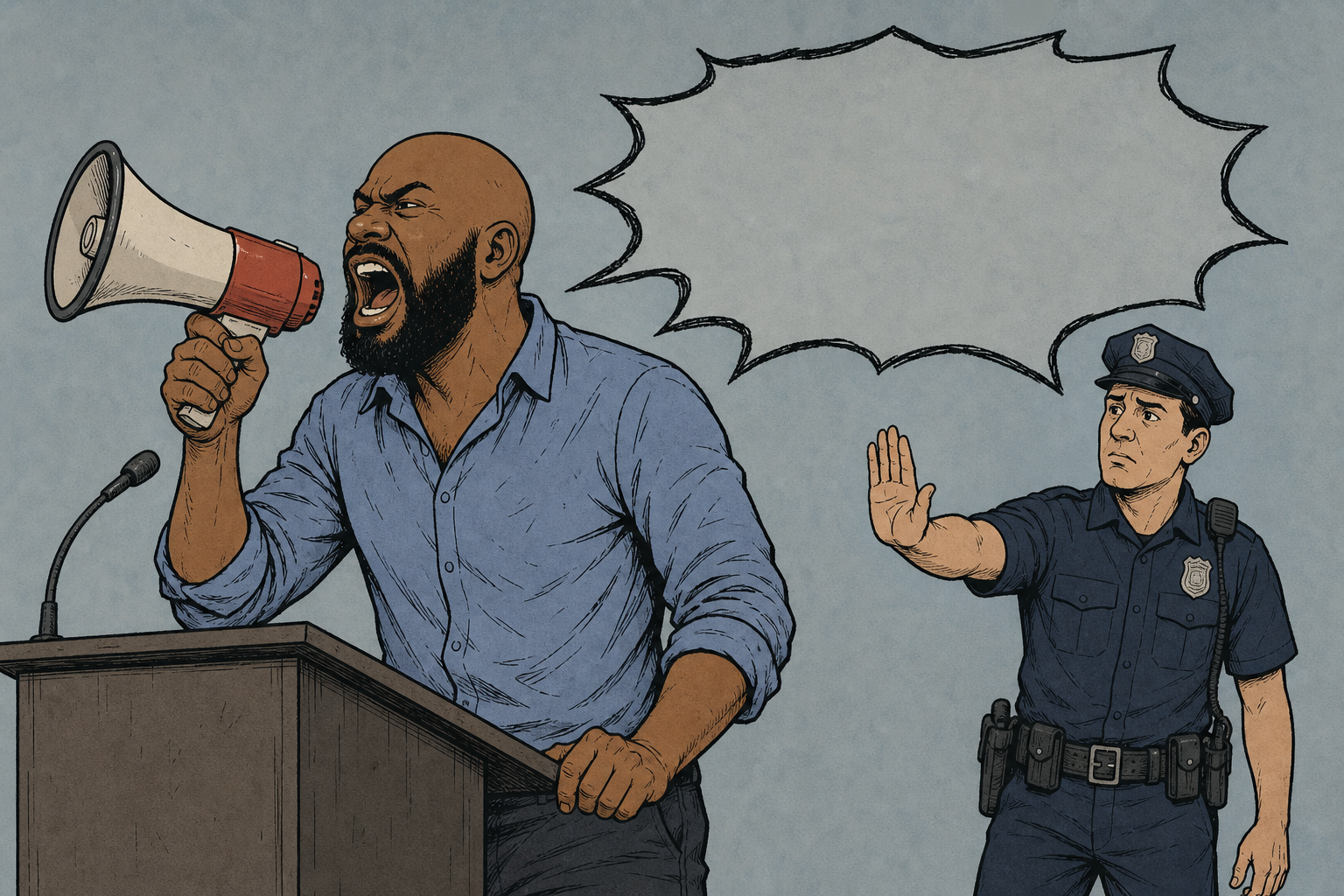
Three days after Abdul El-Sayed (D), the Democratic nominee for U.S. Senate in Michigan, won his party’s August 4 primary over Rep. Haley Stevens (D-MI) by roughly a single point, Michigan outlet The Midwesterner published a two-minute reminder that campaigns rarely control their own archives. In footage from the 2020 documentary “How to Fix a Primary,” El-Sayed says he “hates” Mackinac Island — the car-free tourist landmark that also happens to host the governor’s official summer residence and the state’s marquee political gathering, the Mackinac Policy Conference.
The clip is short, plainly filmed, and unambiguous. Walking past horse-drawn carriages toward the Grand Hotel, El-Sayed tells the camera he’s “hated” every visit he’s ever made to the island, then jokes that if his 2018 gubernatorial campaign won, the place would become his own summer home. That campaign lost. Six years later, with El-Sayed now the Democratic nominee for a U.S. Senate seat and Mike Rogers (R) waiting for him in November, the old joke reads differently.
What followed was a familiar 48-hour cycle: a “dark heart” broadside from a former Trump adviser, a non-answer from the candidate himself, and an ice cream cone from a rival campaign.
The footage comes from “How to Fix a Primary,” a 2020 documentary that followed El-Sayed’s unsuccessful 2018 run for Michigan governor, a race he lost in the Democratic primary. In one scene, cameras catch him on Mackinac Island’s fudge-shop-lined Main Street, horse-drawn carriages passing behind him, walking toward the Grand Hotel. “I hate Mackinac so much,” he tells the camera. “Every time I’ve ever come here, I’ve hated it. Why am I here?”
Later in the same walk, gesturing toward the island and the governor’s residence on it, El-Sayed adds the line that would give the story its second life: “It’s funny cause, like, if we win, this is gonna be, like, the summer home.” The documentary sat largely unwatched for six years — until The Midwesterner posted the clip on X the Friday after his Senate primary win.
Mackinac Island may be a treasured institution to many Michiganders, but not to Abdul El-Sayed. “I hate Mackinac so much,” he said in a 2020 documentary about himself. “…every time I’ve ever come here, I’ve hated it.”
Mackinac Island is not a random target. The car-free island in Lake Huron is one of Michigan’s signature tourist destinations, built around fudge shops, horse-drawn carriages, and the historic Grand Hotel. It has also served as the Michigan governor’s official summer residence and hosts the annual Mackinac Policy Conference, the state’s biggest yearly gathering of political and business leaders — the kind of setting where a Democratic gubernatorial hopeful would have spent plenty of time in 2018, whether he enjoyed it or not.
The clip found its loudest amplifier in former Trump adviser Steve Cortes, who posted on X: “Wow hating Mackinac! A place that is so iconic to Michigan, to America. Abdul has a dark heart.” The phrase stuck — “dark heart” became the framing multiple outlets used to headline the story within hours.
The criticism wasn’t confined to Trump-world accounts. Federalist editor Mollie Hemingway and Commentary editor John Podhoretz both weighed in, with Podhoretz writing that El-Sayed “hates Mackinac Island, one of the most wonderful places on earth.” Former Michigan GOP candidate Tudor Dixon added her own criticism as the clip spread. For a state where Mackinac functions as something close to shared civic identity — the fudge, the ferries, the ban on cars — disparaging it read to critics as disparaging Michigan itself.
El-Sayed responded the same day, but not with a direct rebuttal. Replying on X to the account “End Wokeness,” which had criticized him over the clip, he wrote: “Not sure about ‘End Wokeness,’ but I don’t think the most ‘American place in MI’ can be a place that…bans cars.”
Not sure about “End Wokeness,” but I don’t think the most “American place in MI” can be a place that…bans cars.
Go ahead, double down on attacking one of the most beloved places in Michigan. Let's see how that goes over
Read charitably, the reply suggested El-Sayed’s frustration was with Mackinac’s role as a gathering point for the state’s political and business establishment — the Policy Conference set — rather than with the island’s carriages and fudge shops themselves. But he never said so directly, and the response left the original “I hate Mackinac so much” quote unaddressed, which drew its own round of criticism for dodging rather than clarifying.
Rogers, for his part, didn’t bother with a statement. The Republican nominee posted photos of himself and his wife eating ice cream on Mackinac Island with the caption “There’s no place like Mackinac ♥” — a pointed, good-natured troll that did more to define the contrast than any press release could have.

The timing is what turned an old clip into a live story. In 2018, El-Sayed’s joke about the summer home was hypothetical — he lost the gubernatorial primary and never came close to living on Mackinac Island. In 2026, he is no longer a long-shot outsider joking about a fantasy; he is the Democratic nominee for the U.S. Senate seat Sen. Gary Peters (D) is vacating, three days removed from a real, one-point primary win, running against Rogers in a race both parties consider competitive.
“It's funny cause, like, if we win, this is gonna be, like, the summer home.”
Abdul El-Sayed, “How to Fix a Primary,” 2020
That is the irony the clip landed on: a candidate dismissing a place he “hated” being in, while noting in the same breath that winning would make it his own. Three days after El-Sayed actually won a primary, that old contradiction resurfaced into exactly the kind of moment his opponent was happy to exploit with a two-scoop cone and a heart emoji. Nothing about the episode touches policy, fraud, or governance — it is retail politics, the kind of unforced error that lives on in screenshots regardless of which party commits it.
A 2020 documentary clip of Abdul El-Sayed (D) saying he “hates” Mackinac Island resurfaced three days after he won Michigan’s Aug. 4 Democratic Senate primary by roughly a point over Rep. Haley Stevens (D-MI). Former Trump adviser Steve Cortes called it evidence of a “dark heart”; Federalist editor Mollie Hemingway and Commentary editor John Podhoretz piled on. El-Sayed’s X response defended the island’s car ban but never directly addressed the word “hate.” Republican nominee Mike Rogers answered with an ice cream photo instead of a press release. It is a small story about a resurfaced clip — but it is also a preview of how both campaigns intend to fight the general election: on tone, timing, and who looks more comfortable in Michigan’s own backyard.