San Francisco Spent 18 Months Planning a Golden Gate Bridge Fireworks Show. It Had One Toilet for Every 787 People.
On the evening of July 4, 2026, San Francisco lit up the Golden Gate Bridge with fireworks for only the third time in the span’s 90-year history — a centerpiece event for America’s 250th-anniversary celebrations that the city had been planning since roughly the start of Mayor Daniel Lurie’s (D) term in January 2025, some 18 months out. An estimated 100,000 people packed the Marina, the Presidio, and Crissy Field to watch.
What the city did not plan adequately for was where those 100,000 people would go to the bathroom, or how they would get home. San Francisco supplied 127 portable toilets for the waterfront crowd — a ratio of roughly one toilet for every 787 people, eight to sixteen times short of the ratios professional event-planning guidelines recommend for a crowd this size.
Thick fog — “Karl the Fog” to locals — swallowed much of the 15-minute, 3,000-shell display itself. What followed was worse: SFMTA’s transit plan collapsed under 41,000 extra riders, more than 30 Waymo robotaxis stalled and blocked Presidio streets for hours, San Francisco firefighters logged roughly 600 emergency calls in 24 hours, and violent crime spiked to four times its typical Saturday rate. Every named official responsible is a Democrat — consistent with San Francisco’s near-uniform one-party city government.
- 127 — portable toilets the city provided for an estimated 100,000-person waterfront crowd — a 1-to-787 ratio · Source: Yahoo News / California Post
- 1,000–2,000+ — toilets industry-standard event-planning guidelines recommend for a crowd this size — a shortfall of 873 or more units
- 41,000 — extra Muni riders SFMTA's transit plan had to absorb, producing half-mile bus lines · Source: ABC7 News Bay Area
- 30+ — Waymo autonomous vehicles stalled and blocked Presidio streets for hours; one drove over a lit firework · Source: SF Standard, ABC7 News
- ~600 — SFFD emergency calls in 24 hours — about 200 above normal, including 4 fireworks-caused wildfires and 2 life-altering injuries
- 16 — violent-crime incidents recorded that night versus a typical 4 on an average June Saturday
Mayor: Daniel Lurie (D) — took office January 2025; his administration launched the 18-month Golden Gate Bridge fireworks planning effort and, after the fact, called the transit failures “unacceptable,” pledging fixes before Fleet Week in October 2026.
District 2 Supervisor (Marina): Stephen Sherrill (D) — represents the neighborhood the crowds funneled through; called for a Government Audit and Oversight Committee hearing on the night’s failures.
District 5 Supervisor: Bilal Mahmood (D) — filed a formal inquiry into Waymo’s role in the gridlock and the emergency-access blockages it caused.
District 4 Supervisor: Alan Wong (D) — introduced an escalating-fine ordinance for illegal fireworks after the SFFD call surge.
Board of Supervisors: all eleven seats are held by Democrats, and the mayor, both U.S. senators, and the city’s congressional delegation are Democrats as well — there is no divided government in San Francisco to share the blame with.
Fireworks have been launched from the Golden Gate Bridge only twice before in its 90-year history, making the July 4, 2026 show a genuine rarity — timed to coincide with America’s 250th-anniversary commemorations. The roughly 15-minute, 3,000-shell display began around 9:30 p.m. and was, by most accounts, visually compromised for a large share of the crowd: San Francisco’s marine layer — “Karl the Fog” — rolled in thick enough that KQED’s own coverage led with the fog stealing the show rather than the pyrotechnics.
One detail cuts in the city’s favor and is worth stating plainly: the roughly $240,000 pyrotechnics display itself was privately raised by the nonprofit Bay Area Pyrotechnics Alliance, not paid for with city tax dollars. What follows in this story is not a complaint about the cost of the show — it is an accounting of what the city itself was responsible for providing once it invited 100,000 people to a single stretch of waterfront: sanitation, transit capacity, and public safety. On all three, the record that emerged over the following week was not flattering.
“We were walking, it was so dangerous because we were literally like sardines.”
Maryann Yadao, attendee · to local Bay Area press, July 2026
The number that gave this story its headline is simple to state and hard to defend: 127 portable toilets for an estimated 100,000-person crowd along the Marina, Presidio, and Crissy Field waterfront — a ratio of one toilet for every 787 attendees. Professional event-planning guidance for outdoor gatherings of this size typically calls for somewhere between 1,000 and 2,000-plus units, meaning the city’s supply fell short by 873 units or more — roughly eight to sixteen times below the recommended range, depending on which industry benchmark is applied.
City officials did not dispute the shortfall once reporters asked about it. Daniel Montes, a communications manager for the San Francisco Recreation and Parks Department, conceded that restroom demand “clearly exceeded available capacity.” Joshua Winchell, communications chief for the Golden Gate National Recreation Area — the National Park Service unit that permits and co-manages the Presidio and Crissy Field waterfront — was more direct still.
“These 127 toilets were not nearly enough to support our July 4 visitors.”
Joshua Winchell, GGNRA / National Park Service communications chief
The consequence showed up immediately on the ground: restroom lines running upward of two hours, and a waterfront that, in the words of one attendee commenting on Mayor Lurie’s own Instagram account, left an unmistakable impression on everyone who was there.
“No wonder everywhere smells like pee. There were almost no restrooms for these crowds!”
Attendee comment on Mayor Daniel Lurie's Instagram, July 2026
The San Francisco Municipal Transportation Agency built a transit plan for the event and then watched it buckle in real time. SFMTA had to absorb an estimated 41,000 additional riders beyond a typical evening’s load, and by the time the fireworks ended, bus lines along the return routes stretched a reported half a mile. SFMTA itself issued real-time delay alerts on X at 7:51 p.m. and again at 8:46 p.m. — before the fireworks had even finished — warning riders that “record volume” along the waterfront would cause significant delays once the show ended.
The record volume of attendees along the waterfront will cause significant delays when the fireworks show ends.
SFMTA’s own Director of Streets did not sugarcoat the agency’s performance once the dust settled. Speaking to reporters in the days after, Viktoriya Wise gave what amounts to the plainest admission of institutional failure in this entire story.
“Our transportation system simply could not handle the volume of people.”
Viktoriya Wise, SFMTA Director of Streets
SFMTA has since apologized publicly for the transit breakdown. The gridlock it produced — buses that could not move, sidewalks packed past capacity, streets that stayed jammed — did not fully clear until past 1:30 a.m. on July 5, more than four hours after the fireworks ended.
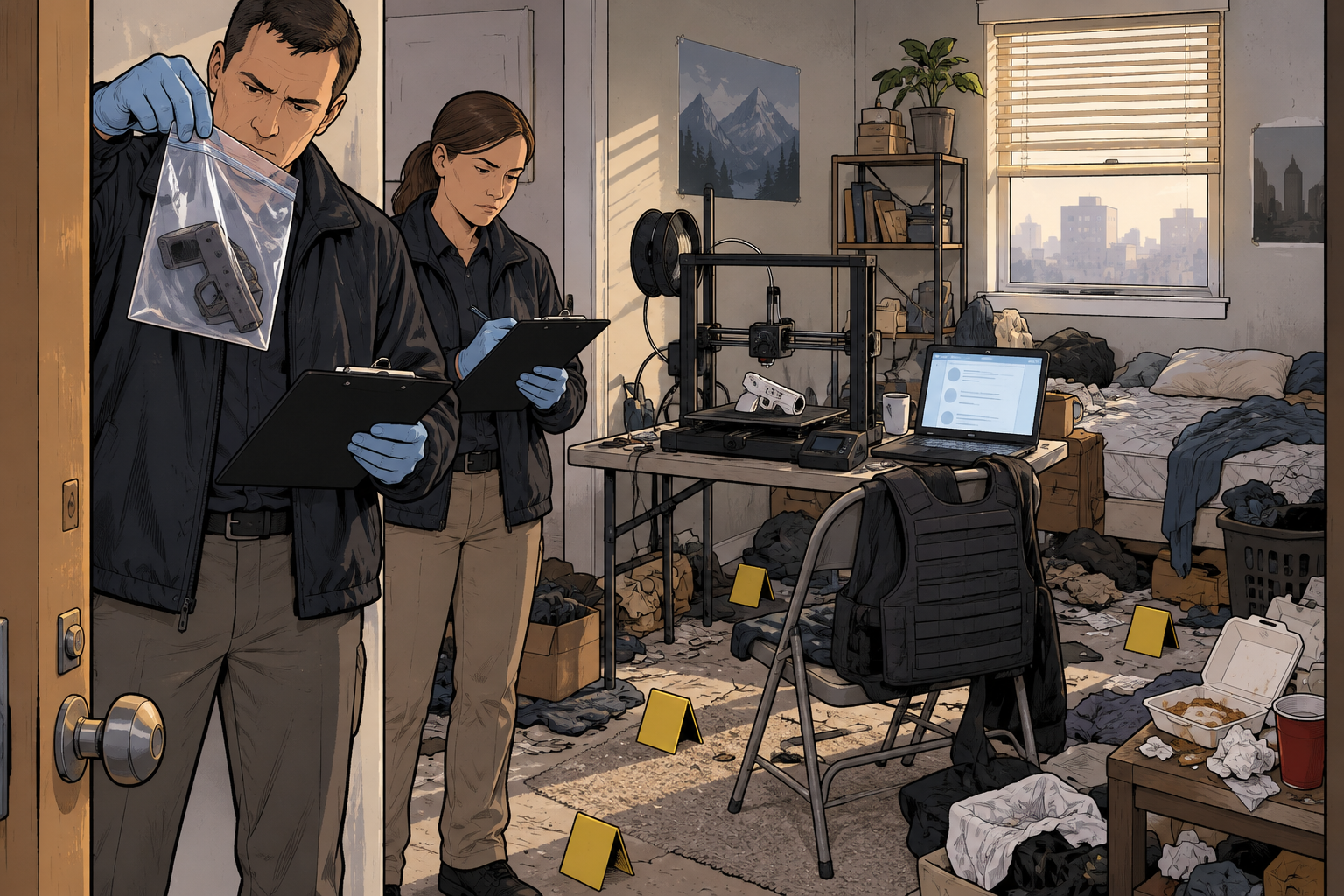
Layered on top of the human transit failure was a robotic one. More than 30 Waymo autonomous vehicles stalled out and blocked Presidio streets for hours amid the crowds and gridlock, with tow times for the stranded vehicles reportedly running three to four hours each. In one widely circulated incident, a stalled Waymo drove directly over a lit firework in the street.
“Dude, our Waymo just drove into a firework.”
Rose Peterson, attendee
District 5 Supervisor Bilal Mahmood filed a formal inquiry into Waymo’s role in the meltdown, framing it as a public-safety issue rather than a mere inconvenience — stranded autonomous vehicles blocking streets during an emergency-heavy night is not a hypothetical risk when SFFD is simultaneously fielding 600 calls.
“It's not acceptable that disruption of service, first responders and our public transit system is a side effect of autonomous vehicles on the road.”
Supervisor Bilal Mahmood (D), District 5
The San Francisco Fire Department logged roughly 600 emergency calls in 24 hours around the event — about 200 above a typical day’s volume. Among those calls: four fireworks-caused wildfires and two life-altering injuries. Separately, violent crime across the city spiked to 16 incidents that night, versus a typical 4 on an average June Saturday — a fourfold jump that outside the fog and the toilet lines represents the most serious public-safety cost of the evening.
None of these figures capture the ordinary friction of a very large public event — long lines, tired families, delayed buses. They describe a night in which the emergency-response system was running roughly a third above normal capacity for calls, while dozens of autonomous vehicles were simultaneously blocking the streets those responders needed to use.
None of this is a one-off surprise for San Francisco’s event planners. SFMTA crowd-control breakdowns are a documented, recurring problem at the city’s own large-scale events — Outside Lands in 2019, 2023, and 2025, and the annual Stern Grove festival series among them. The Waymo gridlock, too, echoes a failure mode the city had already seen once before: a December 2025 citywide power outage that stranded Waymo vehicles across San Francisco in a strikingly similar pattern of stalled, blocking, undirected robotaxis.
No public figure has yet been released for how much the city spent on police overtime or extra Muni deployment for the July 4 event. Civic Intelligence is flagging that as an unanswered accountability question, not filling it in with an estimate — the same standard this site applies to every dollar figure it reports.
To its credit, San Francisco’s response in the days after the event was not silence. Mayor Daniel Lurie (D) addressed the transit failures directly and on camera.
“There were transit delays, and that's unacceptable.”
Mayor Daniel Lurie (D)
Three members of the Board of Supervisors moved on distinct pieces of the failure. District 2 Supervisor Stephen Sherrill (D), whose Marina district absorbed much of the crowd, called for a Government Audit and Oversight Committee hearing. District 5 Supervisor Bilal Mahmood (D) filed the formal Waymo inquiry described above. District 4 Supervisor Alan Wong (D) introduced an escalating-fine ordinance for illegal fireworks — penalties starting at $125 to $260 for a first offense and rising to $250 to $750 for a second — directly in response to the SFFD call surge.
~9:30 p.m., July 4 — fog-obscured, 15-minute, 3,000-shell fireworks show begins over the Golden Gate Bridge.
7:51 p.m. & 8:46 p.m., July 4 — SFMTA posts real-time delay alerts warning of record waterfront volume, the second before the show had even ended.
Night of July 4 – early July 5 — two-hour restroom lines; 16 violent-crime incidents; roughly 600 SFFD calls; 30-plus Waymos stranded with 3–4 hour tow times.
Past 1:30 a.m., July 5 — gridlock finally clears along the return routes.
July 5–9 — Mayor Lurie’s on-camera “unacceptable” statement; Supervisor Mahmood’s Waymo inquiry; Supervisor Sherrill’s hearing request; Supervisor Wong’s fine ordinance.
July 11 — California Post / Yahoo News publishes the toilet-ratio story this page is sourced from.
October 2026 — Fleet Week, the city’s self-imposed deadline for fixing the transit plan.
Local television coverage in the days following captured both the turnout the city drew and the criticism that followed it.
San Francisco had 18 months to plan a fireworks show it knew would draw roughly 100,000 people to its waterfront for America’s 250th. It supplied 127 toilets, watched its own transit plan buckle under 41,000 extra riders, let more than 30 autonomous vehicles gridlock the Presidio for hours, and absorbed a night that generated 600 fire-department calls and quadrupled its typical violent-crime count. Every official in a position to have prevented it — Mayor Daniel Lurie (D) and the Board of Supervisors — is a Democrat, in a city with no divided government to share the blame with. To their credit, several have since said so on the record. What still hasn’t been answered, more than a week later: what the night cost San Francisco taxpayers in police overtime and emergency transit deployment.