The “Wounded Veterans” Selling Patriotic Merch Online Aren’t Real. They're AI, and the Goods Ship From China.
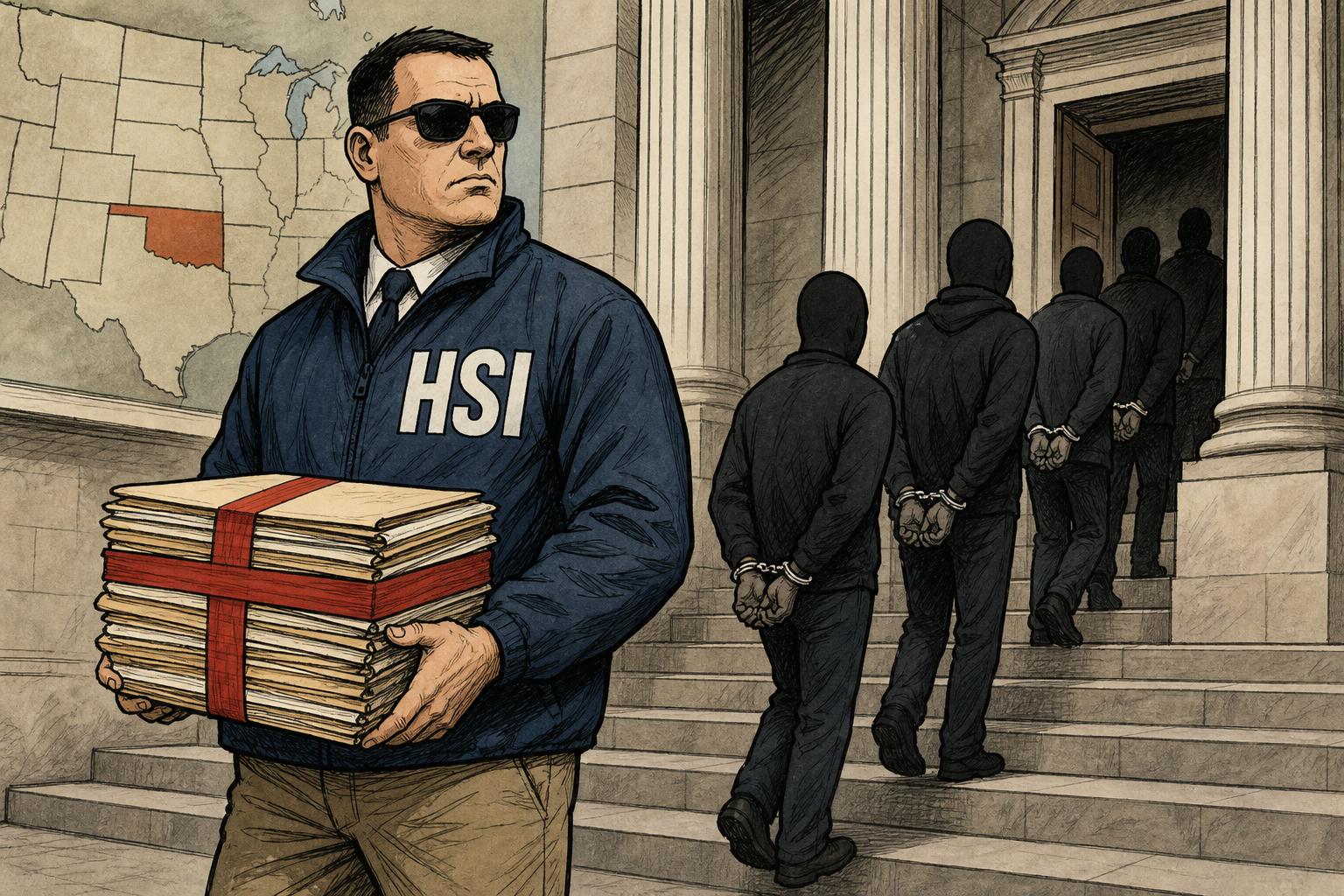
Sunday, September 27, 2026. A BBC investigation, picked up by the New York Post, has identified 45 TikTok accounts running video ads that show “wounded veterans” hand-making and selling cheap patriotic merchandise — wooden flags, tote bags — to raise money after their injuries. The veterans in the videos don’t exist. They’re AI-generated, and the products ship from China with printed images glued to plywood.
“Using our disabled Army veterans is abhorrent,” said Raymond Gilbert, 63, a real British Army veteran who lost £154.99 (about $200) buying what he thought was a hand-carved flag from a fellow injured soldier. “Preying on our heartstrings to help these people out — is a despicable thing to do.”
- 45TikTok accounts identifiedBBC investigation found dozens of accounts running the same AI 'wounded veteran' pitch.
- $200lost on one flagRaymond Gilbert's loss, advertised as hand-carved, actually a printed image glued to plywood.
- Minutesto make one fake videoPer AI specialist Will Guyatt — the scam's low production cost is the whole business model.
- 0companies namedNo operator has been publicly identified; sourcing to China rests on shipping-label evidence only.
The videos follow a template: an AI-generated man in uniform, often shown with a missing limb or visible injury, describes turning to woodworking or craft-making after his service ended, and asks viewers to support him by buying a flag or bag. The appeal is the injury and the uniform, not the product. “The reality is these videos are made in minutes,” said Will Guyatt, an AI and technology specialist who reviewed the accounts for the BBC.
Gilbert, who served as an Army quality manager in Afghanistan at Camp Bastion and Kandahar, said the packaging alone should have been a signal — but the emotional pitch worked anyway. That is the pattern investigators describe across all 45 accounts: cheap goods, real shipping costs from overseas, and a fabricated human face doing the persuading.
Veterans’ charities say the scam does damage beyond the dollar amount. Spencer Bull of Help for Heroes pointed to an erosion of trust; at Alabaré, a UK veterans’ housing charity, Simon Gray and Leo Dromgoole, both veterans themselves, reacted with the same word investigators kept hearing — betrayal. “A close friend of mine was done by an IED in Afghanistan,” Gray said. “There are criminals, and then there are criminals,” Dromgoole added.
Recovering the money is close to impossible. Daniel Fletcher, a senior associate at Forbes Solicitors, said “consumers have the right to a refund, but the territorial nature of these adverts makes it difficult to exercise these rights” — the operators, platforms, and payment processors span multiple countries, and no regulator has claimed jurisdiction over the whole chain.
This isn’t the first time scammers have weaponized fake military identities. A 2024 InvestigateTV investigation found foreign scammers using AI-altered photos of real service members — including more than 300 fake accounts built on the identity of retired Gen. Douglas Fraser — to run romance scams against American widows; one victim, Jeanne Wasserman, lost more than $130,000. The FTC reported $1.3 billion in total romance-scam losses in 2022 alone. A separate September 2026 case saw a fake AI Army-officer persona scam a US retiree out of $150,000.
A TikTok spokesperson told the BBC: “We enforce strict rules against harmfully misleading AI-generated content and scams, and we have removed the violative content and accounts shared with us.” That response is reactive — accounts get removed after journalists flag them, not before the ads run and collect payments. No proactive detection system for this specific pattern has been publicly described by TikTok, Meta, or YouTube.
No company or individual operator has been publicly named, and no regulator has announced an enforcement action tied to this specific scam wave. The FTC has broader AI-impersonation rulemaking underway, but nothing filed against this operation. For now, the accounts identified by the BBC have been removed — and, per the pattern this story documents, new ones are cheap and fast to make.
Forty-five accounts, one AI face template, and a supply chain that ships plywood flags from overseas — built entirely on the credibility of veterans who were never actually involved. Takedowns happen after the fact. The economics that make this scam cheap to run haven’t changed.