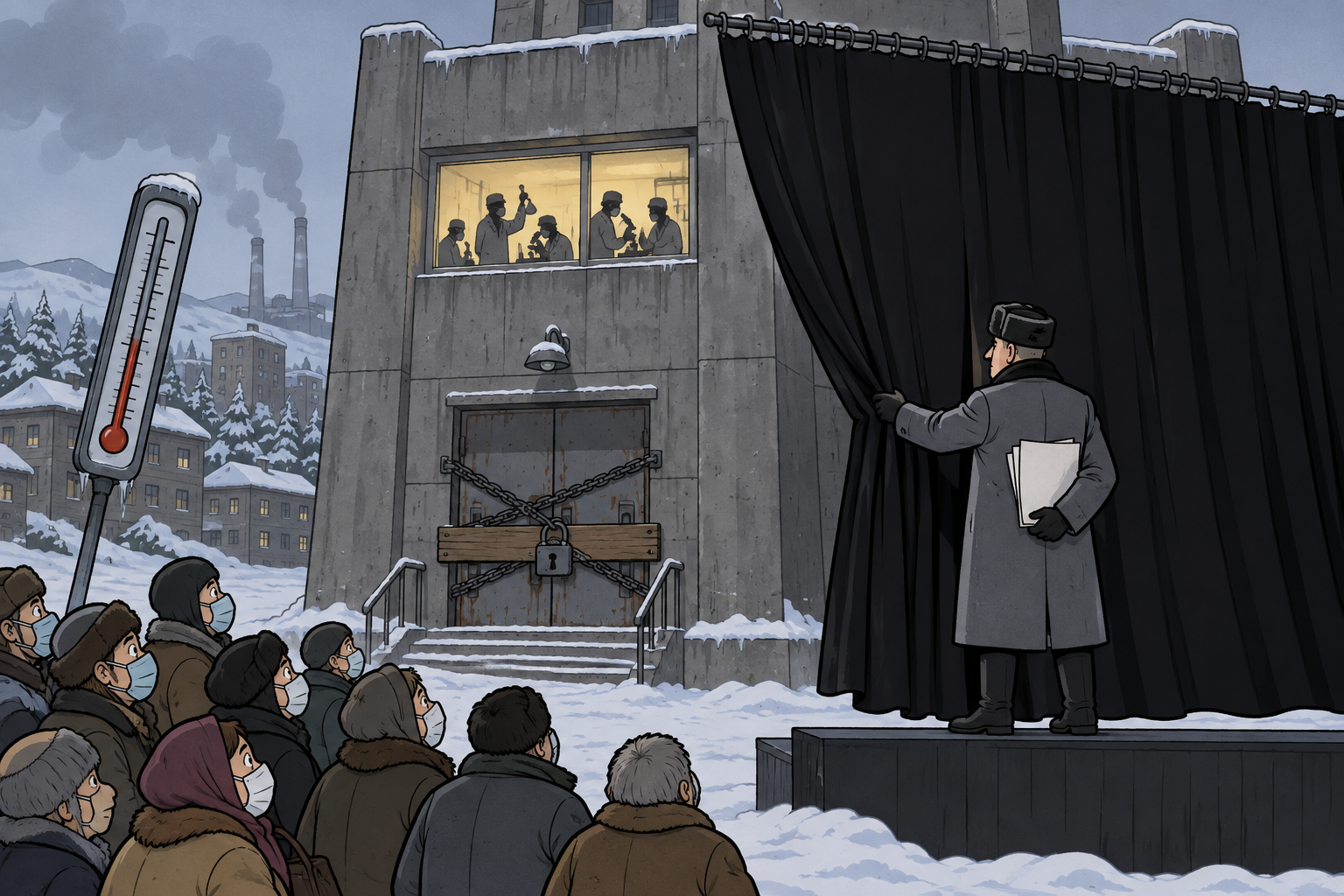
French Commandos Rappelled Onto a Russian Tanker 400 Miles Off Brittany. The UK Helped Track It Down.
French naval commandos rappelled from a helicopter onto the deck of an aging crude tanker called the Tagor on Sunday, May 31, 2026, more than 400 nautical miles west of the tip of Brittany. The vessel had sailed from the Russian Arctic port of Murmansk and was flying a false Cameroonian flag. French President Emmanuel Macron announced the seizure the next day, saying the operation was carried out with the support of the United Kingdom and other partners.
The Tagor is part of what investigators call Russia’s “shadow fleet” — several hundred aging tankers with opaque ownership and substandard insurance that move the bulk of Moscow’s seaborne crude while skirting Western sanctions. The vessel is under sanctions from the European Union, the United States, the United Kingdom, and Ukraine.
It was the fourth time since September 2025 that France has boarded a suspected shadow-fleet vessel. The Kremlin called the seizure unlawful and “bordering on international piracy.” Behind the standoff is a far larger number: the oil revenue that keeps funding a war Russia has waged on Ukraine for more than four years.
- Tagor the seized tanker — sailed from Murmansk under a false Cameroonian flag, bound for Cameroon — Al Jazeera · CNN · June 1, 2026
- 400+ nm west of Brittany — where the boarding took place, in international waters — French Atlantic Maritime Prefecture · The Moscow Times
- 4th shadow-fleet vessel France has boarded since September 2025 — Al Jazeera · CNN · June 1, 2026
- ~600 suspected shadow-fleet vessels now under EU sanctions; 621 designated across the US, UK, EU and allies — Council of the EU · The Moscow Times · Dec. 2025
- $111,200,000,000 in Russian fossil-fuel export revenue in 2025, down from $146,000,000,000 in 2024 — the money the fleet protects — CREA Russia fossil-fuel tracker · 2025
A known vessel, tracked across the Atlantic, taken at first light. It was almost empty when the commandos came down the rope.
The Tagor was boarded Sunday morning, May 31, more than 400 nautical miles (about 740 kilometers) west of the tip of Brittany, in international waters. French naval commandos rappelled onto the deck from a helicopter — footage Macron later shared on X. The tanker had set out from Murmansk, on Russia’s Arctic coast, and was steaming toward Limbe, a port in Cameroon. According to CNN, it was “almost empty” at the time of the boarding.
This was not a chance encounter. Guillaume Le Rasle, a spokesman for France’s Atlantic maritime prefecture, said the Tagor was “a vessel that was known and tracked.” The ship was flying a Cameroonian flag that French authorities concluded was false — one of the hallmark tactics of the shadow fleet, where vessels “flag-hop” between registries to obscure ownership. Reports noted the same hull had previously sailed under a Madagascan flag. France said it was escorting the tanker to an anchorage for further inspection.
Announcing the operation, President Macron framed it as enforcement of the law of the sea, not a provocation. He said the boarding was carried out “in international waters, with the support of several partners including the United Kingdom, in strict compliance with the law of the sea.”
“It is unacceptable for ships to circumvent international sanctions, violate the law of the sea and fund the war that Russia has been waging against Ukraine for more than four years.”
President Emmanuel Macron (France) · post on X · June 1, 2026
Hundreds of aging, lightly insured tankers moving the majority of Russia’s crude. Built specifically to outrun the sanctions.
The term “shadow fleet” describes a network of several hundred older tankers — most approaching the end of their working lives — assembled to keep Russian oil flowing after the Group of Seven imposed a price cap and the EU and US tightened sanctions following the 2022 invasion of Ukraine. The vessels operate under flags of convenience, opaque ownership chains, and insurance that Western regulators do not recognize. Analysts estimate the fleet now carries roughly two-thirds of Russia’s seaborne crude.
The evasion playbook is consistent: rename the ship, switch its country of registration, sail under a false flag or none at all, switch off the transponder, and broadcast false positions. Through 2025, more than 70 percent of sanctioned vessels changed flags to muddy the trail. It is precisely this pattern — a false Cameroonian flag on a hull that had previously claimed Madagascar — that flagged the Tagor to French and British trackers.
- →Flag-hopping: the Tagor flew a false Cameroonian flag and had earlier appeared under a Madagascan one; over 70% of sanctioned vessels changed flags in 2025.
- →Opaque ownership: shell companies and layered registries obscure who actually controls the vessel and the cargo.
- →Substandard insurance: cover that Western regulators do not recognize, raising spill and collision risk in busy sea lanes.
- →Detection: allied navies and intelligence services track AIS gaps, suspicious port calls and false positions — France called the Tagor 'known and tracked.'
- →Scale: roughly 600 suspected shadow-fleet vessels are under EU sanctions; the US, UK, EU and allies have designated 621 unique tankers.
French navy, backed by the UK, intercepts Russian oil tanker. The Tagor — sailing from Murmansk under a false flag — was boarded more than 400 nautical miles west of Brittany. (Quote paraphrases Al Jazeera's reporting; see the linked profile.)
Oil is the war chest. Every tanker stopped is a strike at the revenue line.
Macron’s explicit framing — that the fleet exists to “fund the war” — points to why these boardings matter beyond a single hull. Russian fossil-fuel exports generated an estimated $111,200,000,000 in 2025, down from $146,000,000,000 in 2024, according to the Centre for Research on Energy and Clean Air, which tracks the trade. The decline is real, but the absolute figure is still vast — and the shadow fleet is the machinery that keeps the crude moving to buyers in China and India despite the sanctions.
That is the logic behind the interceptions: choke the logistics and you choke the cash. Enforcement has uneven bite. Analysts who track the fleet have found that vessels added to the US Treasury’s sanctions lists suffer the steepest drop in activity, while ships sanctioned only by the EU or UK keep working at a smaller penalty. Physically boarding a tanker on the high seas — as France did with the Tagor — raises the cost and the risk for owners in a way a paper designation alone does not.
- →Russian fossil-fuel export revenue: an estimated $111.2 billion in 2025, down from $146 billion in 2024 (CREA).
- →The shadow fleet moves roughly two-thirds of Russia's seaborne crude, primarily to China and India.
- →OFAC (US Treasury) designations cut a sanctioned vessel's activity sharply; EU- or UK-only listings bite far less.
- →The EU's 19th sanctions package (Oct. 2025) added shadow-fleet vessels and a ban on insuring or reinsuring them.
- →Macron's stated rationale: the fleet 'funds the war Russia has been waging against Ukraine for more than four years.'
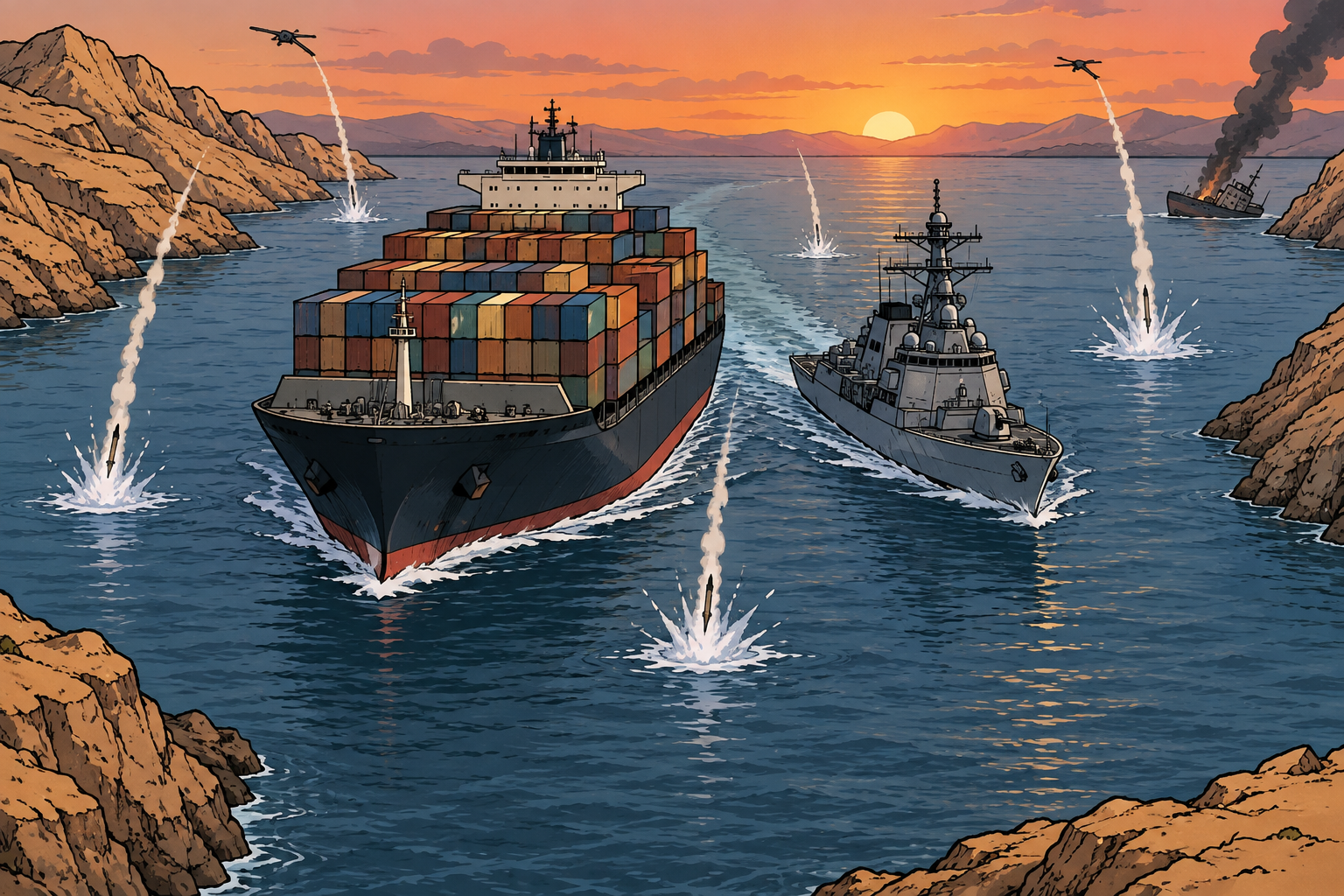
London supplied the intelligence and the cover. A pattern of Anglo-French enforcement is forming.
Macron specified that the boarding was conducted “with the support of several partners including the United Kingdom.” Reporting characterized the British role as tactical and intelligence support — the kind of tracking that lets a navy intercept a named vessel in mid-ocean rather than stumble on it. It echoes the earlier seizure of the tanker Boracay off the French Atlantic coast in late September 2025, an operation that reporting also tied to intelligence shared by the UK.
The coordination tracks with how London and Brussels have moved on sanctions. The UK imposed asset-freezing measures on Russian energy giants Rosneft and Lukoil in October 2025, days before the US Treasury sanctioned the same companies and the EU adopted its 19th sanctions package. Those packages expanded the list of designated shadow-fleet vessels — to roughly 600 under EU measures, and 621 unique tankers across the US, UK, EU and allied governments by late 2025 — and added an EU ban on insuring or reinsuring them. The Tagor boarding is the kinetic edge of that paper architecture.
The Royal Navy and UK intelligence routinely track suspect shadow-fleet movements alongside allied navies. France credited UK support in the Tagor boarding west of Brittany. (Paraphrased context; no specific post on this operation confirmed — see the official profile.)
The Kremlin called it piracy. It is the same word Moscow used for the last three seizures.
Moscow rejected the seizure as illegitimate. Kremlin spokesman Dmitry Peskov told reporters that Russia considers such actions unlawful and that “they border on international piracy.” Russian officials have used the same framing for each of France’s prior boardings, casting the interceptions as Western lawlessness rather than sanctions enforcement.
The dispute over legality is not merely rhetorical. France conducted the boarding in international waters and grounded it in the law of the sea, citing the vessel’s false flag — under maritime law, a ship that cannot establish a valid nationality may be inspected. Russia’s “piracy” charge is a political answer to a legal claim. The previous three vessels France boarded since September 2025 were allowed to continue their voyages after their owners paid fines; what happens to the Tagor after inspection had not been resolved as of June 1.
“We consider such actions unlawful, they are bordering on international piracy.”
Dmitry Peskov, Kremlin spokesman (Russia) · June 1, 2026
Trump has said he is ready to impose major sanctions on Russia — but only once all NATO nations agree to do the same and stop buying Russian oil. His administration has paired targeted shadow-fleet seizures with periodic sanctions relief, a mixed posture toward Moscow's oil revenue.
Paraphrased commentary · not a verbatim post
Paraphrased from President Trump's public Truth Social statements on Russian oil sanctions; wording is summarized, not a verbatim quote.

The Tagor is the fourth. Each seizure has sharpened the playbook.
France has now boarded four suspected shadow-fleet vessels since September 2025. The first and most consequential was the Boracay, detained off the French Atlantic coast on September 27, 2025; French police arrested its captain and first officer, and a probe found two Russian security personnel aboard, employed by a Russian private security firm. That tanker was also linked in reporting to mysterious drone incursions over Denmark. Two further vessels were boarded in the months that followed; their owners paid fines and the ships sailed on.
The arc is one of escalating willingness. What began as detaining a tanker anchored near the French coast has become a helicopter-borne boarding 400 miles out in the open Atlantic, coordinated with a foreign navy and intelligence service, and announced personally by the head of state. The shadow fleet has not shrunk — by most counts it grew through 2025 — but the cost of operating it through European waters is rising.
- →Boracay — detained off the French Atlantic coast, Sept. 27, 2025; captain and first officer arrested; two Russian security personnel found aboard; linked in reporting to drone incursions over Denmark.
- →A second vessel — boarded in the months after; allowed to resume its voyage after the owner paid a fine.
- →A third vessel — boarded and inspected; also released after a fine was paid.
- →Tagor — boarded May 31, 2026, over 400 nm west of Brittany; sailed from Murmansk under a false Cameroonian flag; escorted for inspection. Outcome pending as of June 1.
One tanker, boarded in international waters, against a fleet of hundreds. The enforcement is real; so is the scale of what it is up against.
What is confirmed is concrete: French commandos boarded the Tagor more than 400 nautical miles west of Brittany on May 31, 2026, with UK support; the tanker had sailed from Murmansk under a false Cameroonian flag and was under EU, US, UK and Ukrainian sanctions; Macron announced it the next day; and the Kremlin called it “international piracy.” It was France’s fourth such boarding since September 2025.
What is unresolved is what it adds up to. A single tanker — almost empty when it was taken — is a small fraction of a fleet of several hundred vessels moving the bulk of Russia’s seaborne crude and the roughly $111,200,000,000 in export revenue it generated in 2025. The boardings raise the cost of evasion and demonstrate Anglo-French resolve; they do not, by themselves, sink the fleet. The honest read is that this is enforcement gaining teeth against an adversary that has so far kept the oil — and the money — moving.
The fate of the Tagor itself was still being decided as of June 1: France was escorting it to an anchorage for further checks, with no final disposition announced. We will update this page as French authorities, the EU, and the UK release additional, attributable information.