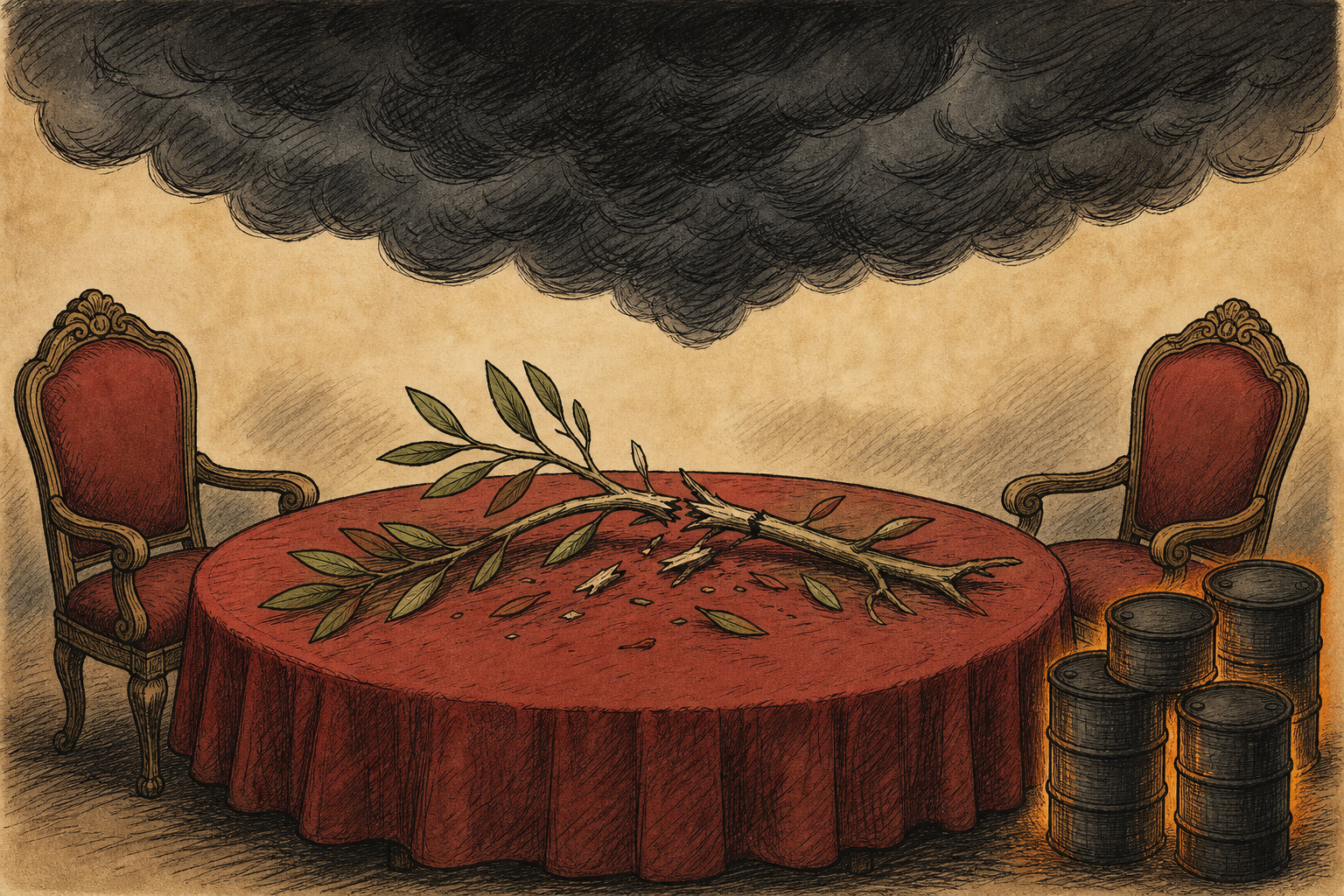
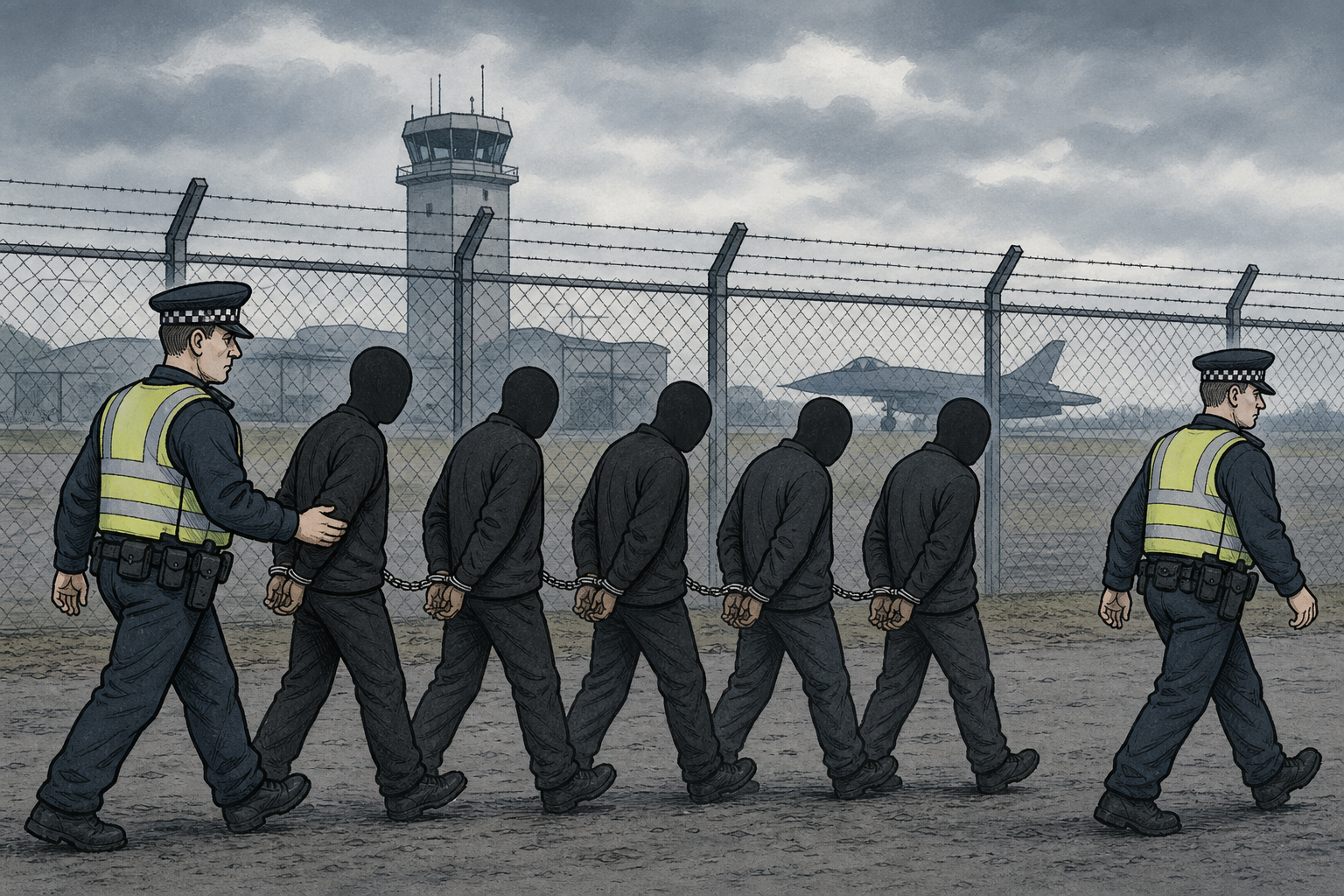
CENTCOM Hits an IRGC Port Tower on Night Seven of Strikes — Iran Answers by Hitting Four Gulf Countries in One Night and Warns Worse Is Coming
This is not day seven of the Iran war — that war has been running since Iran’s Supreme Leader was killed in a joint US-Israeli strike on February 28, 2026. It is night seven of the resumed campaign CENTCOM and outside analysts have taken to calling Operation Epic Fury, the wave of strikes that began after a spring ceasefire collapsed on July 7–8. On the evening of July 17, US aircraft, drones, and warships hit seven target areas across Iran, plus a separate, eighth strike on a surveillance tower at a port used by the Islamic Revolutionary Guard Corps.
Two Iranian-linked sources gave two different casualty counts for the same night, and neither has been independently reconciled — we present both below, attributed separately, rather than pick one.
Hours later, the war jumped the map entirely. Iran fired missiles and drones at Bahrain, Jordan, Kuwait, and Qatar in a single night, damaging a Kuwaiti power plant, while a senior adviser to Iran’s Supreme Leader threatened to abandon retaliatory strikes altogether in favor of what he called “full-scale offensive operations.”
- 7 target areas — Jask, Sirik, Bushehr, Bandar Abbas, Qeshm Island, Ahvaz, and Yazd — hit by fighter aircraft, drones, and warships — per Stars and Stripes and CENTCOM's night-seven release
- 3 killed, 8 wounded — toll reported by Hormozgan provincial officials, per Al Jazeera and the Jerusalem Post
- 8 killed, 20 wounded — a separate toll reported by Iran's IRNA state media, per CBS News — not the same count as above, not merged
- 4 countries — Bahrain, Jordan, Kuwait, and Qatar all struck by Iranian missiles and drones the same night; a Kuwaiti power plant was damaged — per CBS News
- $88+/bbl — Brent crude's highest price in a month, as only 8 ships transited the Strait of Hormuz on Thursday, the fewest in three weeks — per CBS News live updates
CENTCOM launched the night’s strikes at roughly 3 p.m. Friday, July 17, according to Stars and Stripes; the command’s own release is timestamped 07.17.2026 22:00. The target set spanned Jask, Sirik, Bushehr, Bandar Abbas, Qeshm Island, Ahvaz, and Yazd — surveillance sites, military logistics infrastructure, underground weapons storage, and maritime capabilities, hit by a combination of fighter aircraft, drones, and warships.
The single target that mattered most sat outside that main cluster: a surveillance tower at Chabahar’s Shahid Kalantari Port, which the Jerusalem Post reports is used by the IRGC to monitor shipping traffic near the Gulf of Oman. Taking out a surveillance tower at a working commercial port is a narrower, more targeted strike than the multi-hundred-target waves CENTCOM ran earlier in July — a sign the campaign has shifted from breadth to specific choke points.
“The strikes are designed to continue degrading Iranian military capabilities at the Commander in Chief's direction. Fact: No US troops in the region have recently been killed or captured. American forces remain vigilant as the United States strictly enforces the naval blockade against Iran.”
CENTCOM · official statement, July 17, 2026
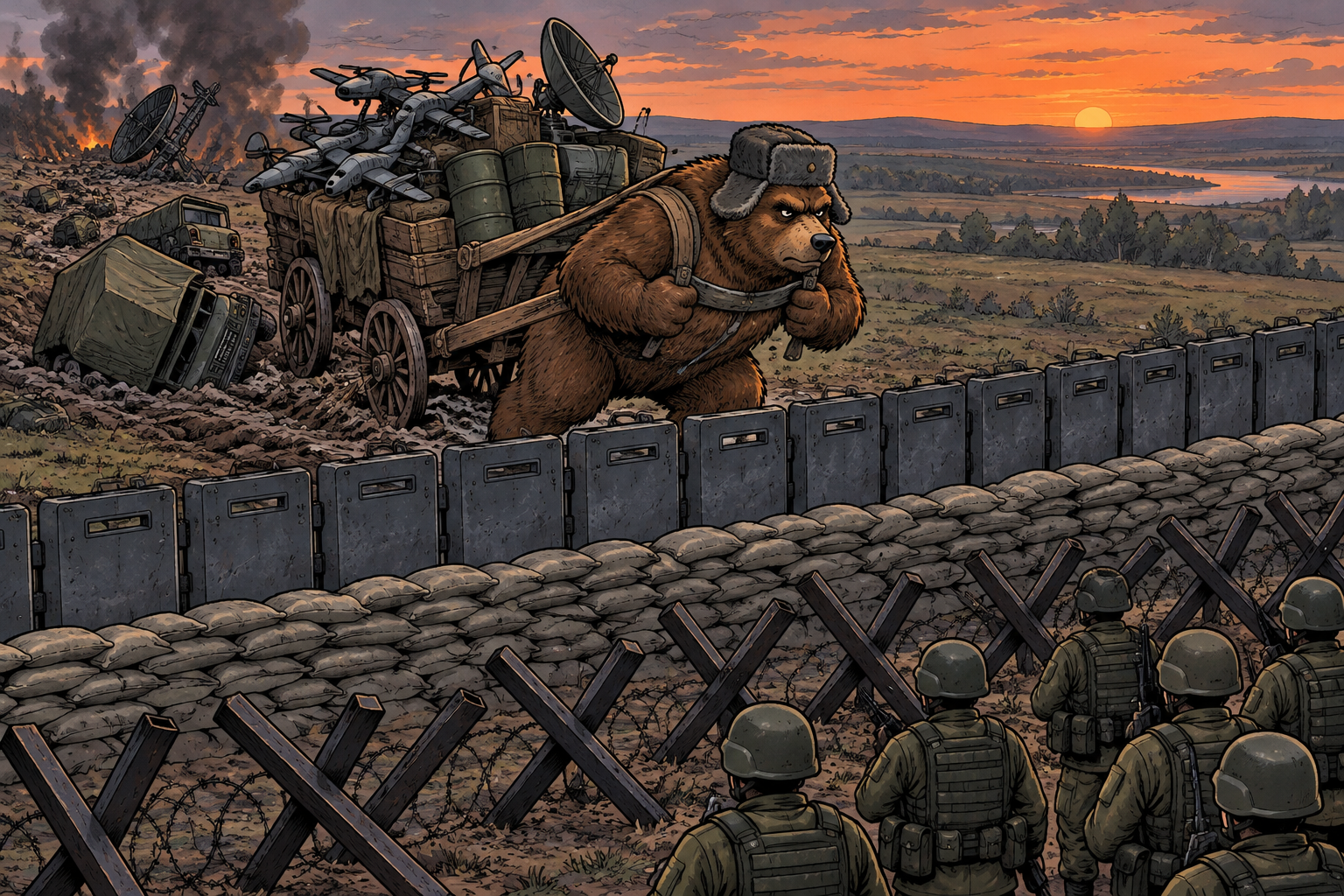
The casualty figures for night seven do not agree, and we are not going to pretend they do. Hormozgan provincial officials — whose province includes Bandar Abbas and Qeshm Island, two of the night’s targets — told Al Jazeera and the Jerusalem Post that 3 people were killed and 8 wounded. Iran’s state news agency, IRNA, gave CBS News a different, higher figure for the same night: 8 killed and 20 wounded.
Neither figure has been independently verified by a source outside Iran’s own government structure, and the gap between a provincial count and a national state-media count is not unusual in a fast-moving strike campaign — local officials often report earlier and narrower, while a national wire has more time to compile a fuller count, or an incentive to report a higher one. We flag the discrepancy rather than resolve it.
Retired Brig. Gen. John Teichert, discussing the campaign on Fox News, characterized the current strikes as a prelude to something larger — language that lines up with what came out of Tehran within hours.
Maj. Gen. Mohsen Rezaei, an adviser to Iran’s Supreme Leader, delivered the most explicit escalation threat of the war so far on the same night as the strikes.
“Iran will no longer limit itself to retaliatory, like-for-like responses... no political border will be safe.”
Maj. Gen. Mohsen Rezaei · adviser to Iran's Supreme Leader
Rezaei said Iran would move to “full-scale offensive operations” within “2–3 more days.” The threat wasn’t only rhetoric. That same night, Iran fired missiles and drones at four countries at once — Bahrain, Jordan, Kuwait, and Qatar — a wider simultaneous spread than any single night earlier in the campaign. A Kuwaiti power plant was damaged in the barrage, prompting electricity-rationing advisories to residents, and the US State Department renewed a Middle East travel advisory in response.
Bahrain and Kuwait both host major US military infrastructure and have absorbed Iranian fire repeatedly since the ceasefire collapsed. Jordan and Qatar being hit in the same night as part of a four-country spread is new for this stretch of the war — and matches Rezaei’s stated shift away from narrow, tit-for-tat retaliation toward a broader regional campaign.
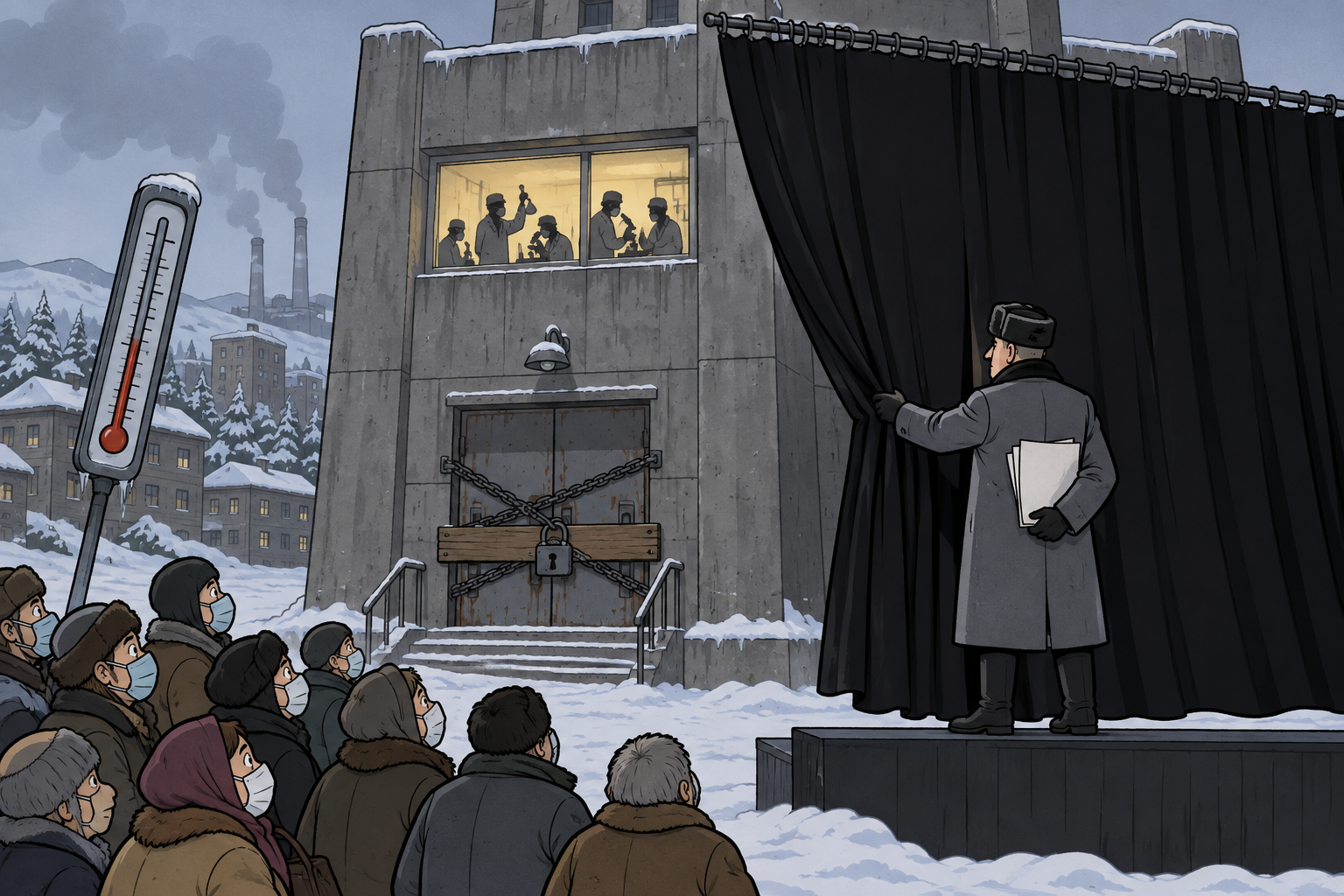
Brent crude crossed $88 a barrel this week, its highest price in a month, as Strait of Hormuz traffic thinned to just 8 ships on Thursday — the fewest in three weeks — per CBS News’ live coverage. American drivers are already feeling it: since the war began, US households have paid more than $68 billion in extra gasoline and diesel costs combined, or roughly $500 per household, according to a July 15, 2026 Center for American Progress fact sheet.
Those pump prices are a small slice of a much larger bill. A June 23, 2026 CSIS analysis put the Pentagon’s additional cost for the campaign to date — not this single night, the war as a whole — at $34 to $42 billion, driven substantially by roughly $26.1 billion in munitions, $4.0 to $9.4 billion in base and infrastructure damage, and $1.8 to $3.5 billion in equipment losses, among other cost categories. Moody’s separately estimates the total US economic impact at $132 billion. The Pentagon’s FY2027 budget request asks for $114 billion to replenish munitions stockpiles, plus another $60 billion for procurement — both figures are direct line items from a war that keeps adding nights.
Secretary of War Pete Hegseth’s office has signaled that an even larger strike package is coming, according to reporting on the campaign’s next phase — a framing we relay cautiously here, since the exact underlying statement could not be independently confirmed at time of writing. CENTCOM Commander Adm. Brad Cooper, describing the broader campaign in remarks on July 15, put the mission in blunter terms.
“U.S. forces are holding Iran accountable for unwarranted aggression that continues to endanger innocent lives.”
Adm. Brad Cooper · CENTCOM Commander, July 15, 2026
President Trump (R) — has authorized the strike campaign, now in its seventh consecutive night since the ceasefire collapsed.
Secretary of War Pete Hegseth — the Pentagon’s civilian leader, under this administration’s renamed title; his office has signaled a larger strike package ahead.
Adm. Brad Cooper — CENTCOM Commander, overseeing the strike waves and the Hormuz enforcement mission.
Maj. Gen. Mohsen Rezaei — adviser to Iran’s Supreme Leader, now threatening “full-scale offensive operations” against unspecified targets.
Night seven hit a specific IRGC surveillance point at a working port, not just another round of broad strikes — and Iran answered by hitting four countries in a single night while a senior adviser to its Supreme Leader threatened to drop retaliatory limits altogether. The casualty count from that night is genuinely disputed between Iranian sources themselves. What isn’t disputed is the bill: tens of billions in Pentagon costs, over a hundred billion in broader US economic impact, and $500 per American household in extra fuel costs so far. None of it is finished.