
Why Israel Is Suddenly Rewriting How It Picks Its Targets — A Defense-Analysis Read.
There is a ceasefire across Israel’s northern and southern fronts — and Israel is still striking on all of them. That apparent contradiction is the story. According to a Jerusalem Post analysis, Israel’s targeting strategy in Lebanon, Syria, and Gaza is shifting in real time, away from purely reactive, return-fire engagements toward something more deliberate: degrading an adversary’s capability before it can be used.
The pivot did not happen in a vacuum. It follows the 2026 Iran war, a ceasefire memorandum with Tehran brokered by the U.S. and Israel, and, on June 26, a U.S.-mediated framework agreement between Israel and Lebanon that ties any Israeli withdrawal to the disarmament of Hezbollah. Each of those events reshaped the calculus behind which targets Israel hits, when, and why.
This page is an explainer, not an argument. The aim is to lay out what analysts and Israeli officials say has actually changed in the targeting doctrine, the strategic reasoning offered for it, and the regional framework it sits inside — while noting where the picture is contested and where the ceasefires could still unravel.
- Degrade-before-decision — the core shift the JPost analysis describes: strike missile units and command centers now so Hezbollah's capacity to act later is reduced · Source: Jerusalem Post analysis
- 3 fronts, 3 rulebooks — analysts say Israel now applies different targeting rules to Gaza (air strikes on Hamas officials), Lebanon (Hezbollah infrastructure), and Syria (buffer-zone enforcement) · Source: Jerusalem Post analysis
- Forward deterrent — the role Hezbollah was built to play for Iran — an arsenal on Israel's northern border meant to fire if Iran is attacked; Israel's strikes aim to neutralize it preemptively · Source: Jerusalem Post
- 60-day ceasefire — the Iran war truce extension signed in June 2026, reopening the Strait of Hormuz and setting a window to negotiate a final nuclear deal · Source: Axios; Al Jazeera
- June 26 framework — the U.S.-mediated Israel-Lebanon agreement tying IDF withdrawal to verified Hezbollah disarmament by the Lebanese army · Source: CNBC; PBS
- 'Null and void' — how Hezbollah Secretary-General Naim Qassem rejected the framework, vowing the group will not disarm — the fault line under the whole plan · Source: Al Jazeera; PBS
The starting point for understanding the shift is the paradox the Jerusalem Post analysis opens with: there is, at the moment, a broad ceasefire across Lebanon, Syria, and Gaza — and yet the IDF has continued to announce attacks on all three fronts. Israel’s targeting posture, the analysis argues, is “constantly shifting,” calibrated front by front rather than governed by a single rule.
That is a meaningful change from the early phase of these ceasefires. At the start of the U.S.-brokered Gaza deal in October 2025, per the analysis, Israel was strict: it targeted only Hamas fighters who approached its soldiers. The current posture is more forward-leaning — not because the ceasefire collapsed, but because Israel reads the truce as a period in which it can keep degrading adversary capability, rather than a full stop to military action.
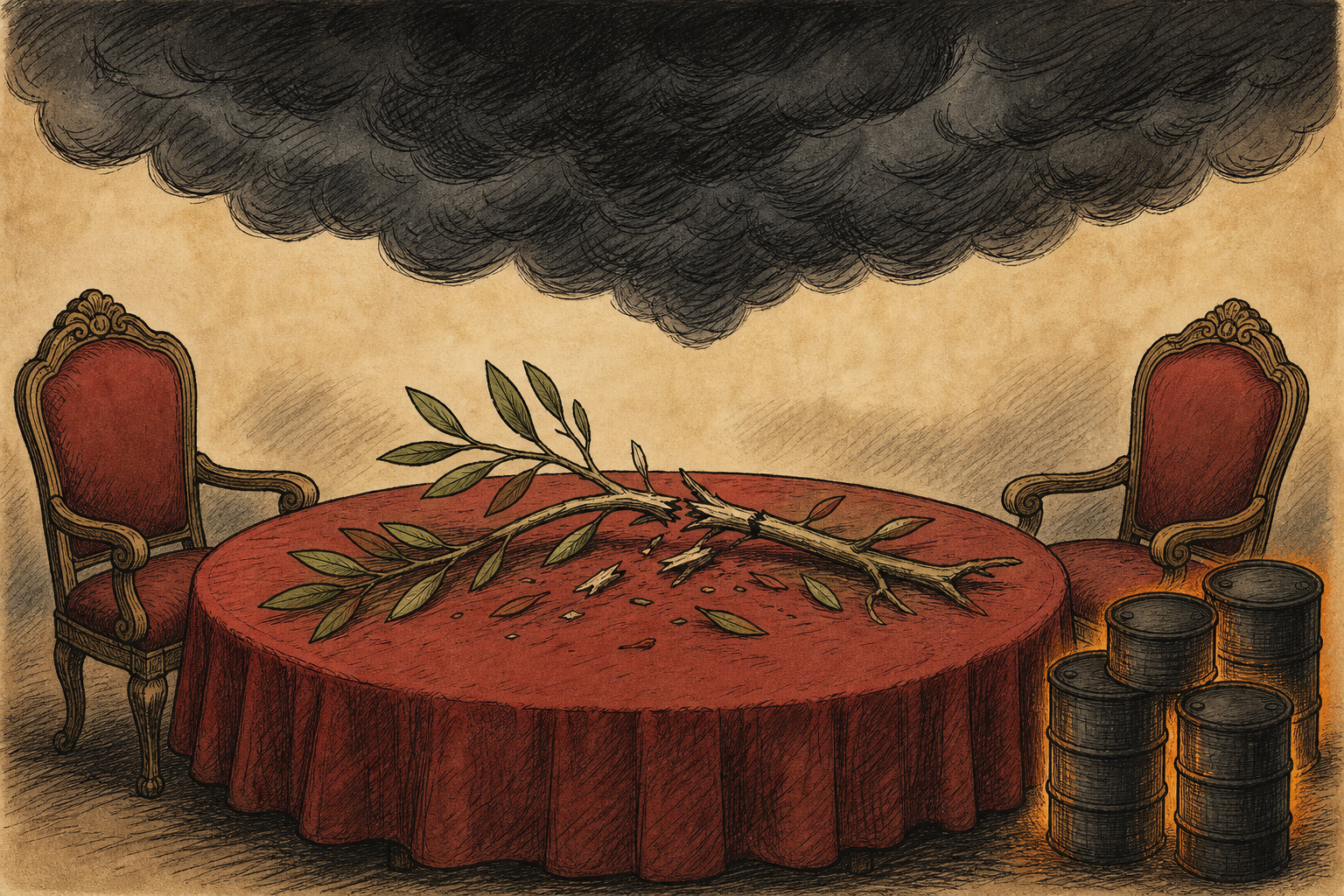
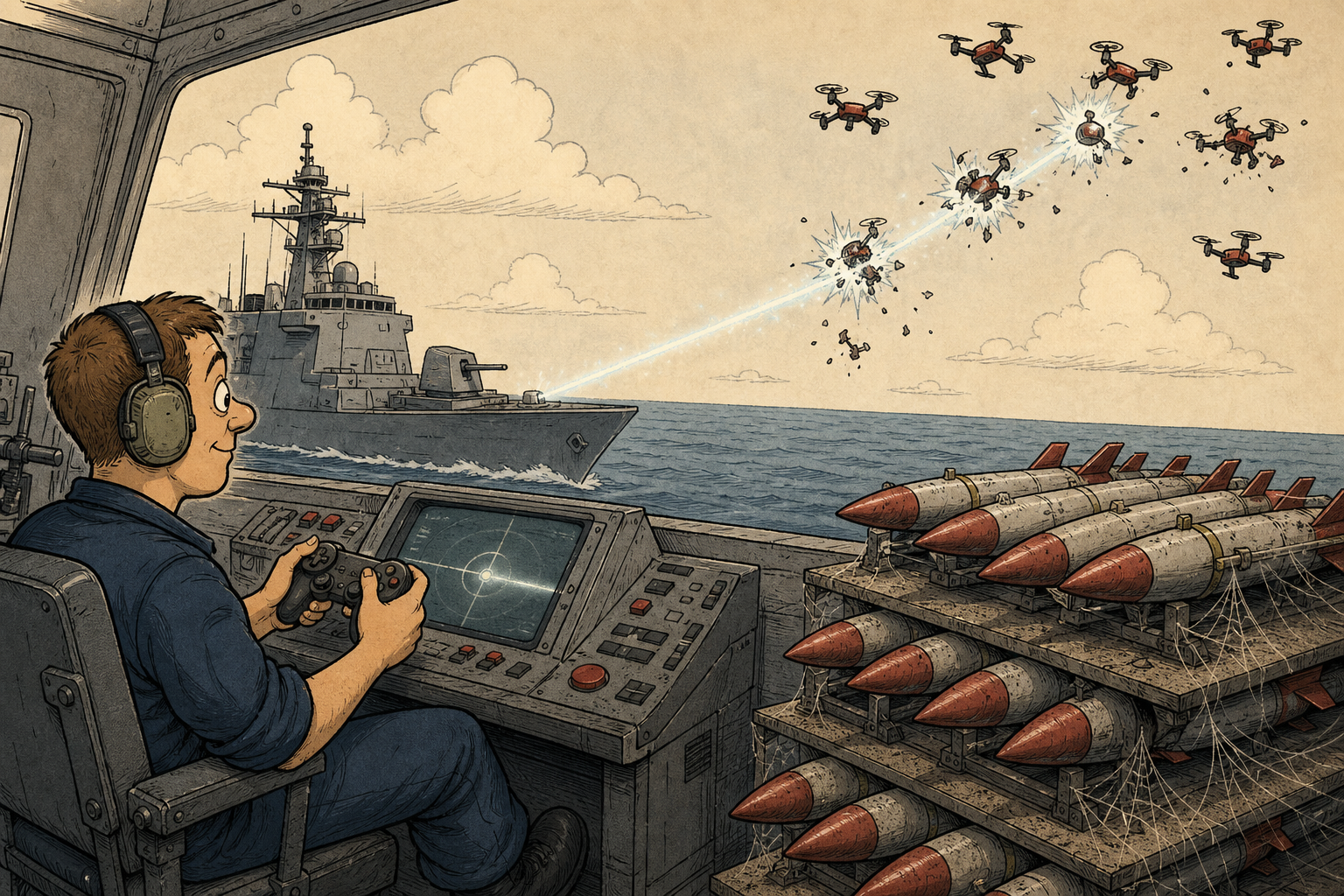
The clearest doctrinal change analysts point to is a move from reacting to attacks toward shaping an adversary’s future choices. The Jerusalem Post frames the Hezbollah campaign this way: by degrading missile units, targeting command centers, and keeping up military pressure, Jerusalem is trying to ensure that even if Hezbollah decides to fire, its capacity to do damage is already reduced. The strategy, in that reading, is designed to shape the decision before it is made.
This fits a pattern that has intensified over the past month: sustained IDF action against long-range missile sites, command nodes, and Hezbollah’s efforts to rebuild military infrastructure. The IDF has acknowledged, per The Times of Israel, that those strikes are meant to disrupt the group’s readiness and force build-up. The Times of Israel has documented the operational side of this — strikes on Hezbollah command centers and weapons sites in Beirut’s southern suburbs, and what the IDF described as its largest airstrikes yet against the group.
The strategic logic, the analysis argues, is bigger than Lebanon. For decades Hezbollah served as Iran’s forward deterrent against Israel — an arsenal amassed on Israel’s northern border designed to unleash massive rocket and missile fire if Iran’s nuclear facilities or regime came under attack. What has changed, in the Jerusalem Post’s telling, is Israel’s determination to degrade that capability before any wider confrontation, so that Tehran’s most powerful proxy cannot carry out the mission it was built for.
Analysis: Israel's targeting strategy in Lebanon, Syria, and Gaza is shifting. By degrading missile units and command centers now, the goal is to ensure that even if Hezbollah chooses to fire, its capacity to do damage is already reduced.
One reason the strategy looks like a single “shift” from a distance is that it is really three different rulebooks running at once. The Jerusalem Post analysis breaks them out front by front.
In Gaza, the analysis reports that the Trump administration has effectively given Israel latitude to strike Hamas officials from the air — so long as it does not cause large civilian casualties and does not amount to a ground invasion — because Hamas has dragged its feet on disarmament since the ceasefire began, missing a 100-day deadline for progress. In Lebanon, IDF forces have fired on Hezbollah fighters approaching their positions, especially near the army’s deepest penetration around Nabatieh, and used small-scale Hezbollah violations as justification to hit other nearby capabilities. In Syria, the analysis describes a dramatic shift: troops killing armed men who entered Israel’s buffer zone in the south.
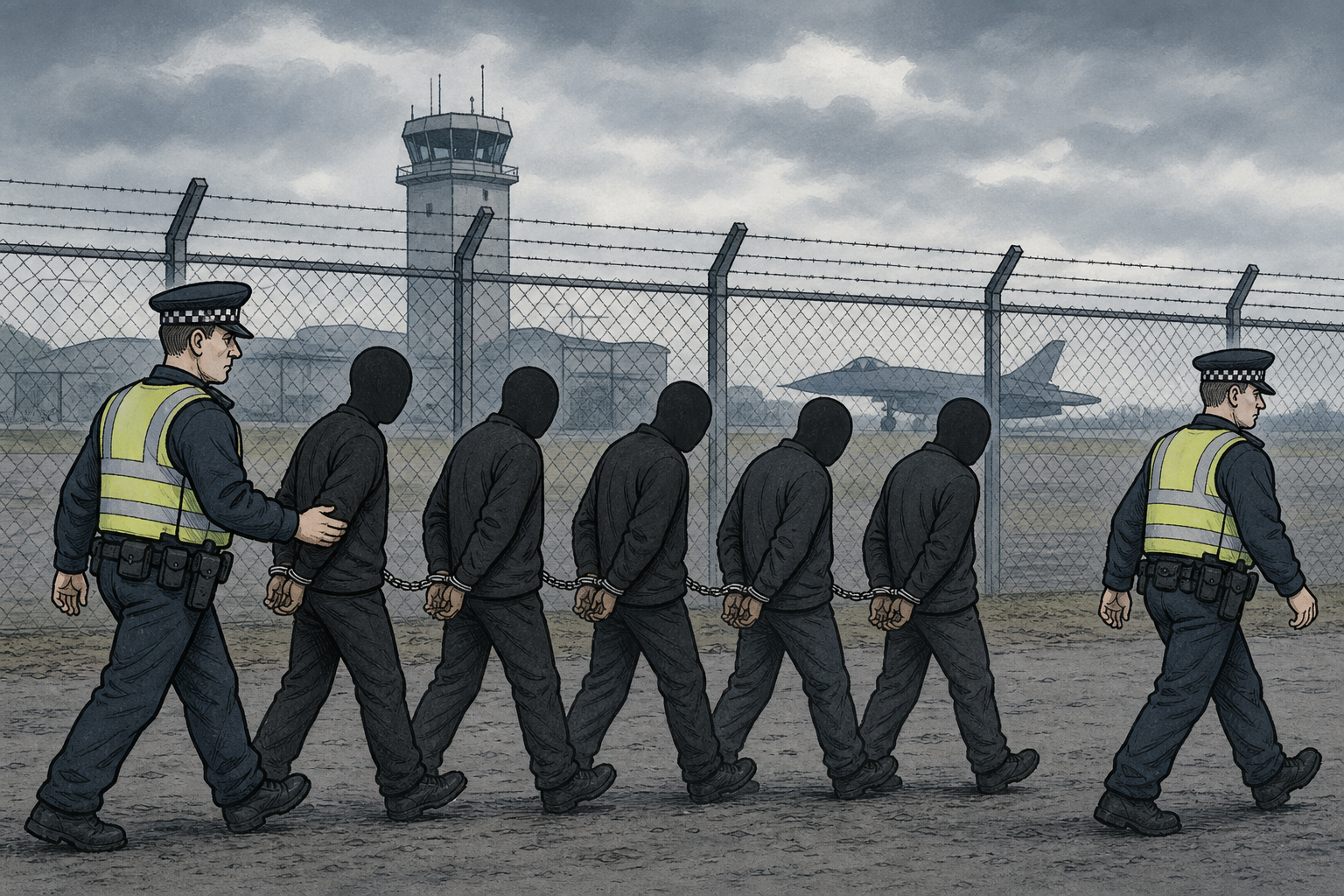
The common thread, analysts say, is that Israel is treating each ceasefire as conditional — an arrangement that holds only as long as the other side moves toward disarmament — rather than as a settled peace. Where a counterpart stalls, the targeting tempo rises. That is the connective tissue linking otherwise separate operations on three borders.
From: reactive return fire — hitting only fighters who approach Israeli forces, the posture at the start of the 2025 Gaza ceasefire.
To: pre-emptive degradation — striking missile units, command centers, and rebuilt infrastructure during the ceasefire to cut an adversary’s future capacity.
Why: analysts and Israeli officials say the goal is to ensure Hezbollah — Iran’s forward deterrent — cannot strike if a wider Iran confrontation reignites.
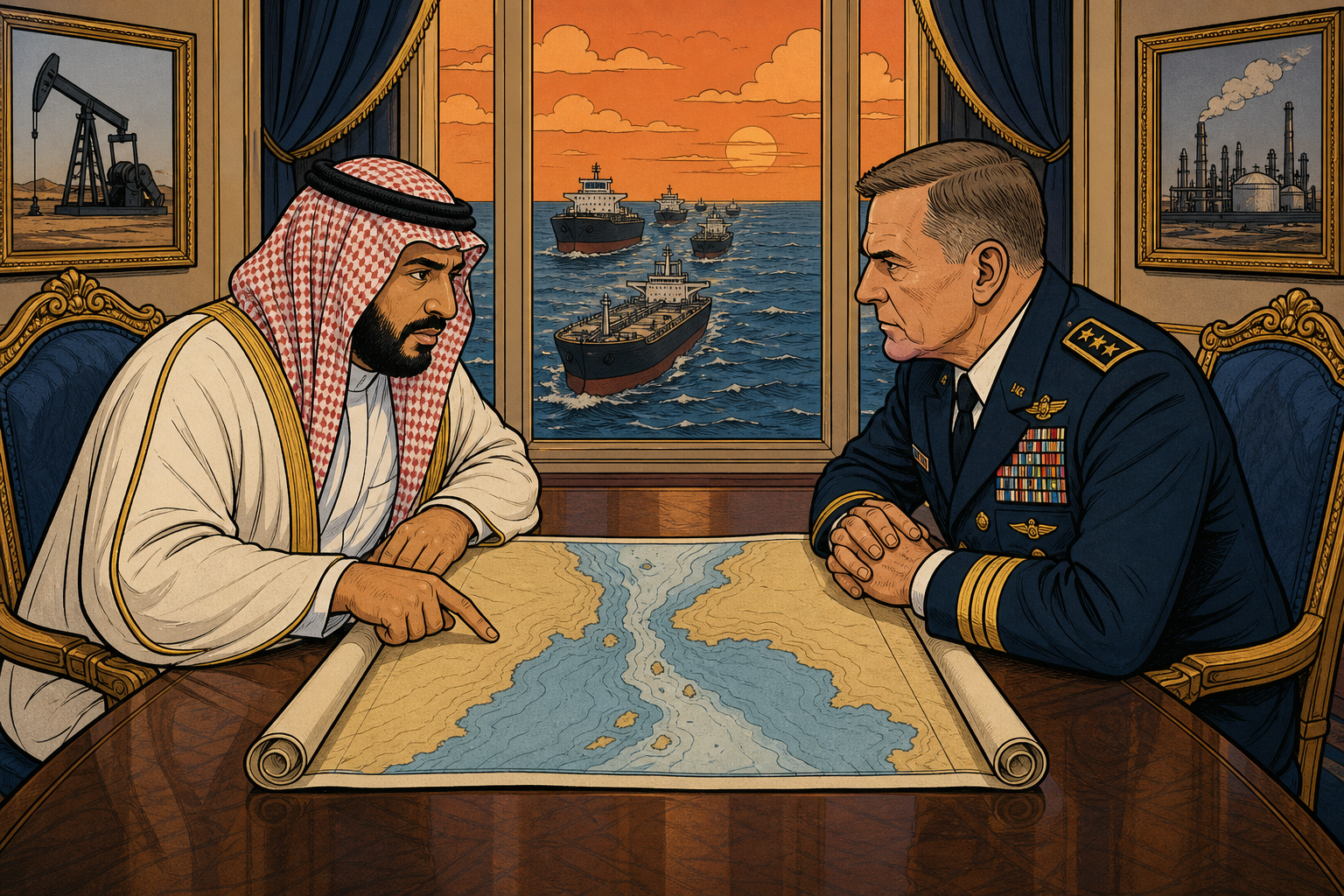
The targeting shift cannot be separated from Iran. After the 2026 Iran war, the United States and Iran signed a memorandum of understanding extending the ceasefire for a 60-day window to negotiate a final deal — an agreement that, per Axios and Al Jazeera reporting, required Iran to reopen the Strait of Hormuz and reaffirm it would not develop nuclear weapons, with its enriched-uranium stockpile to be addressed through a mutually agreed mechanism under IAEA supervision.
That window is precisely why the northern campaign matters. If the Iran talks fail and fighting reignites — or if Israel or the U.S. were to strike Iran again — a fully armed Hezbollah is the contingency Israel most wants to foreclose. The Jerusalem Post analysis frames the current strikes as part of that larger effort: ensuring Tehran’s proxy cannot open a second front at the moment it would matter most. The Lebanon question has also been a friction point in the diplomacy itself; reporting notes Iranian and Israeli officials disagree over whether the Iran truce covers Hezbollah at all.
The ceasefire with Iran is holding, but it does NOT cover Lebanon. Hezbollah must disarm. Israel has every right to defend itself until that threat is gone.
Paraphrased commentary · not a verbatim post
President Trump's reported framing — that the Iran truce does not extend to Lebanon — paraphrased and labeled as commentary, not a verbatim post. Source: The Times of Israel.
On June 26, after four days of U.S.-mediated talks in Washington, Secretary of State Marco Rubio (Trump administration) announced a framework agreement between Israel and Lebanon. Per CNBC and PBS reporting, it lays out a “sequenced process” in which the Lebanese Armed Forces restore sovereign authority over Lebanese territory and oversee the disarmament of Hezbollah, while the IDF withdraws from southern Lebanon in stages — beginning with two small “pilot zones” — tied to verified disarmament rather than a fixed timetable.
That conditionality is the whole design — and the whole problem. Prime Minister Netanyahu has said Israel will hold its buffer zone “until Hezbollah disarms and as long as there is a threat to the State of Israel.” Hezbollah Secretary-General Naim Qassem rejected the framework as a surrender, calling it “null and void,” and said the group will not disarm. Analysts at the Jerusalem Post and elsewhere note the deal’s hardest test is whether Lebanon can impose state authority in the south while Hezbollah remains armed and opposed — and that several prior ceasefires were never implemented on the ground.
“Linking the Israeli withdrawal to the disarmament of the resistance throughout Lebanon is a very dangerous proposition that crosses all red lines.”
Naim Qassem, Hezbollah Secretary-General, rejecting the framework (per Al Jazeera)
For the targeting strategy, the framework cuts both ways. It gives Israel a stated rationale for continued strikes — pressure to force the disarmament the deal requires — while also raising the stakes of every strike, since each one tests a ceasefire that opponents already call dead on arrival. The result is the paradox the analysis started with: a peace framework on paper, and an active targeting campaign in the field, running side by side.
The IDF will continue to target Hezbollah's infrastructure and capabilities in Lebanon to prevent the terrorist organization from rebuilding its force and threatening Israeli communities. Israel will act against any violation of the ceasefire.
The short version, as defense analysts describe it: Israel’s targeting strategy has shifted from reacting to attacks toward degrading capability in advance — most visibly against Hezbollah, which Israel treats as Iran’s forward deterrent. That shift is running across three fronts under three different rulebooks, inside two fragile ceasefires — a 60-day Iran truce and a June 26 Israel-Lebanon framework — both of which Israel reads as conditional on disarmament rather than as settled peace. Hezbollah’s flat rejection of the framework is the fault line that could send the whole structure back to open war. What to watch next: whether the Iran nuclear talks produce a final deal, whether the Lebanese army can credibly begin disarmament, and whether the targeting tempo rises or falls as those answers come in.
- 1.The Jerusalem Post — 'How has Israel changed its targeting strategy in Lebanon, Syria, and Gaza?' (lead analysis), June 2026
- 2.The Jerusalem Post — 'Israel targets Hezbollah to reduce missile threat from Iran' (analysis on degrading Iran's forward deterrent)
- 3.The Jerusalem Post — 'Does the new Israel-Lebanon agreement have a chance at success?' (analysis), June 2026
- 4.The Jerusalem Post — 'Israel-Lebanon framework faces first test as Hezbollah rejects disarmament deal' (analysis), June 2026
- 5.The Jerusalem Post — 'The strategic significance of the Israel-Lebanon framework agreement' (opinion/analysis), June 2026
- 6.The Times of Israel — 'IDF launches largest airstrikes yet against Hezbollah after truce with Iran; Trump: Iran truce doesn't cover Lebanon,' June 2026
- 7.The Times of Israel — 'Army targets Hezbollah command centers, weapons sites in strikes on Beirut suburbs,' June 2026
- 8.Al Jazeera — 'Israel-Lebanon deal ties ceasefire to Hezbollah disarmament: Will it work?' (explainer), June 27, 2026
- 9.Al Jazeera — 'What the Trump-Iran agreement says about Lebanon, Hormuz and uranium,' June 18, 2026
- 10.CNBC — 'Rubio says Israel, Lebanon reach framework agreement aimed at lasting peace and security,' June 26, 2026
- 11.Axios — 'U.S. and Iran reach deal to extend ceasefire and open strait,' June 14, 2026
- 12.PBS NewsHour — 'Lebanon's deal with Israel requires Hezbollah to disarm. That might be difficult,' June 2026
- 13.NPR — 'Israeli strike hits southern Beirut in retaliation against Hezbollah,' June 7, 2026
- 14.The Times of Israel — 'IDF says it hit Hezbollah operatives in Lebanon, as new Jerusalem-Beirut talks begin in DC,' June 2026
- 15.Wikipedia — '2026 Lebanon war' (timeline and operations background, cross-referenced to primary reporting)
Last updated June 29, 2026