A China-Linked Network Built Fake U.S. Veterans to Fight Over Tariffs on X. A Year Later, OpenAI Found the Same Playbook Aimed at America’s AI Boom.
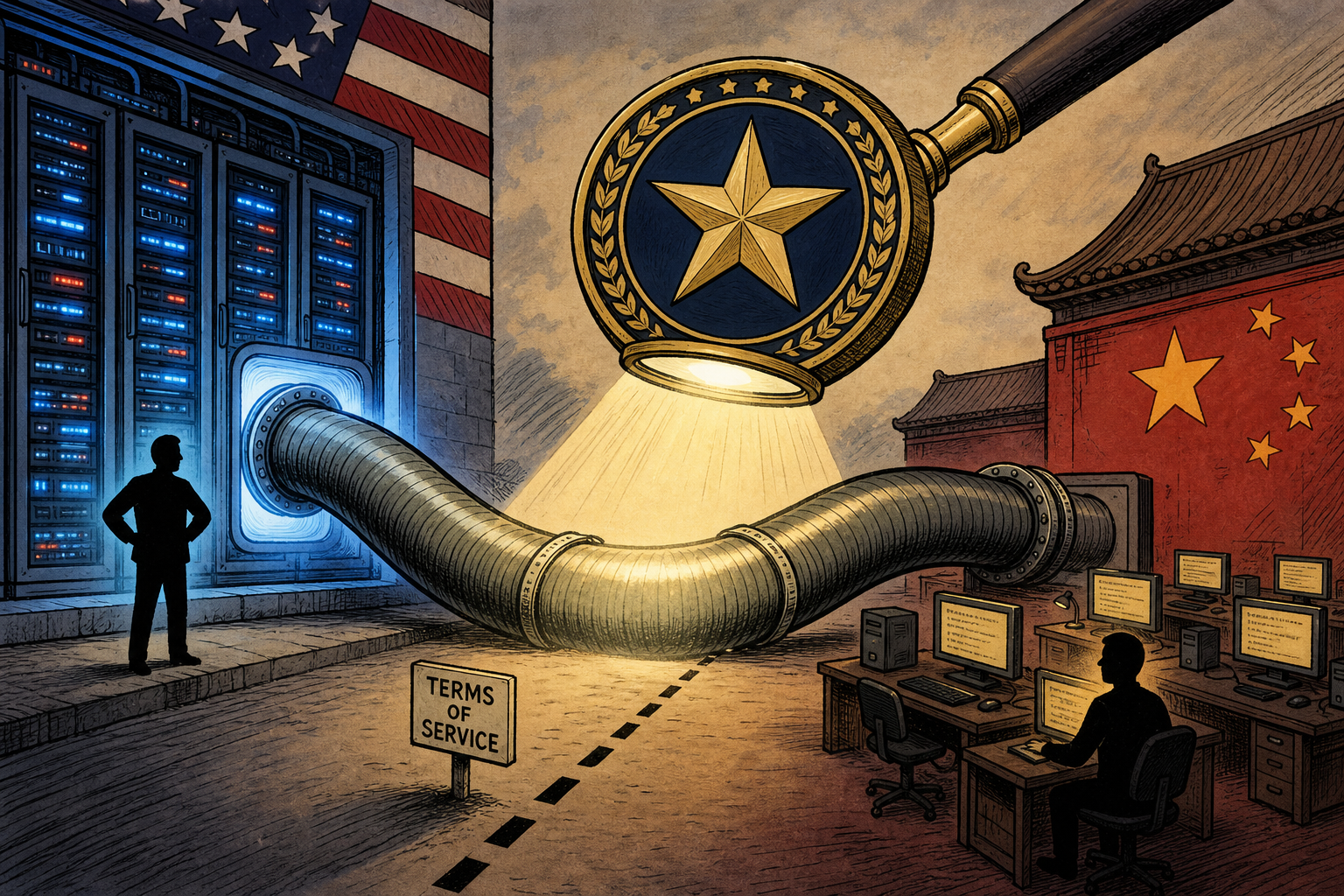
On June 5, 2025, OpenAI published a case study it called Operation “Uncle Spam”: a cluster of ChatGPT accounts, traced by pattern of use to China, that had built an invented U.S. veterans’ advocacy group — calling itself “Veterans for Justice” — and used it to write and post arguments on both sides of America’s tariff fight, simultaneously, across X and Bluesky.
The campaign was patient and specific. OpenAI’s own report found it drew almost no real engagement at all.
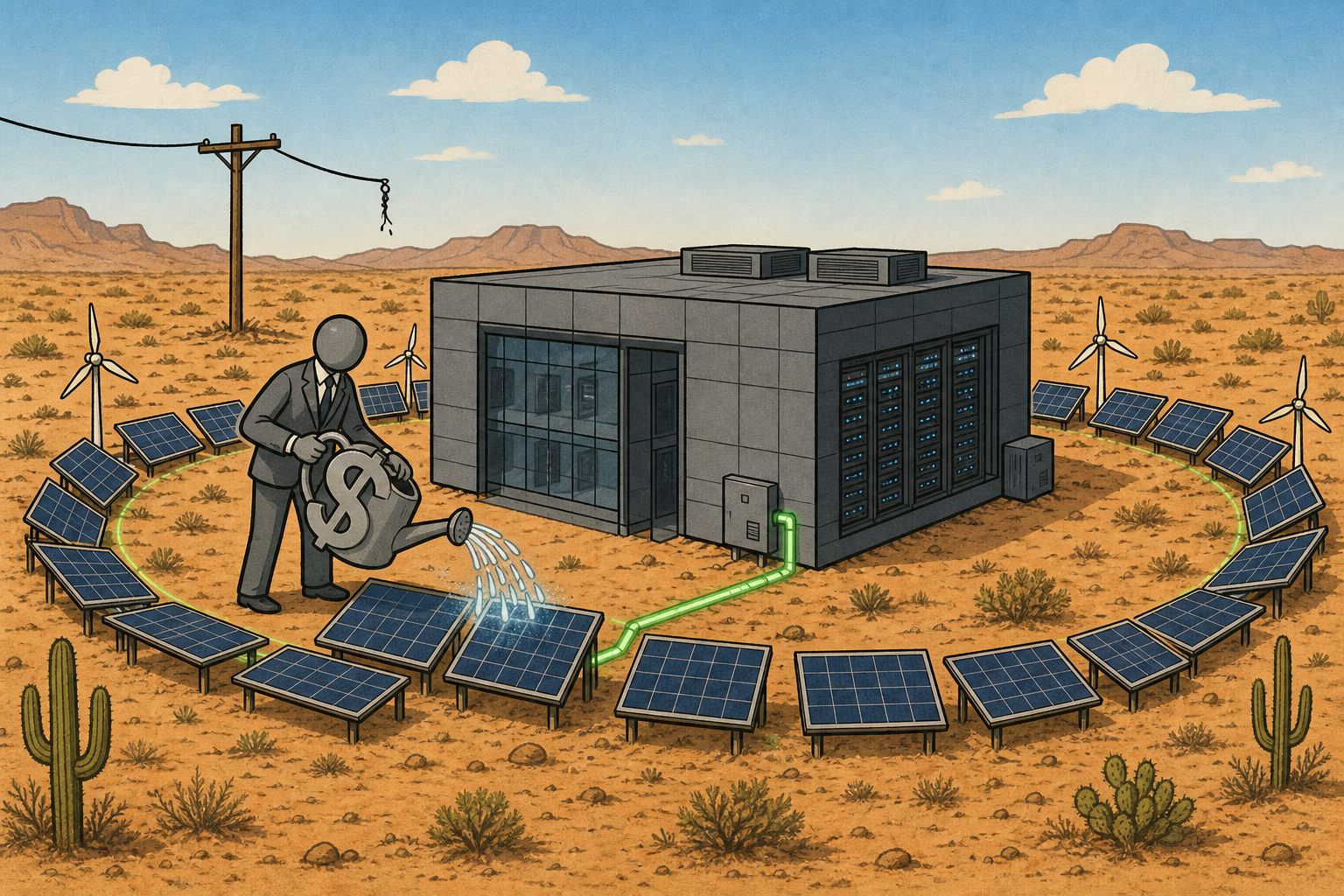
A year later, that verdict didn’t stick. On June 10, 2026, OpenAI’s next threat report identified two more China-linked clusters — nicknamed “Data Center Bandwagon” and “Tech and Tariffs” — running the identical trick against a new American argument: whether to keep building the data centers the AI boom runs on. This time, Senate Intelligence Chairman Tom Cotton (R-AR) is asking the Justice Department to investigate.
- 10 case studies in OpenAI’s June 2025 threat report; 4 were assessed as likely Chinese in origin, Uncle Spam among them — TechRadar, June 2025
- “Veterans for Justice” the fake advocacy-group persona Uncle Spam built to argue America’s tariff debate from both sides at once — OpenAI threat-intelligence report, June 2025
- Little to no the real engagement OpenAI found the campaign’s posts actually drew on X and Bluesky, despite the effort behind them — cryptobriefing.com, citing OpenAI
- 0 individuals charged or indicted over any of it; DOJ has not confirmed whether it will act on Sen. Cotton’s request — Cotton press release; Fox News, June 2026
Uncle Spam was one of ten case studies in OpenAI’s June 2025 “Disrupting malicious uses of AI” report, the recurring disclosure series the company began publishing in 2024. Four of the ten were assessed as likely Chinese in origin, and Uncle Spam was the most elaborate: it engineered a persona built specifically to sound like an American veteran, then deployed it to write and post ChatGPT-generated arguments for and against President Trump’s tariffs at the same time, spread across X and Bluesky under the invented banner of “Veterans for Justice.”
OpenAI bundled Uncle Spam with three other campaigns it assessed as Chinese in the same report — Sneer Review, which targeted a Taiwanese board-game community; Operation High Five; and ScopeCreep — alongside separate cases tied to Russian and Iranian networks. All ten were banned outright under OpenAI’s usage policies once identified.
For all the tradecraft — the invented veterans’ group, the dueling posts, the cross-platform spread — OpenAI’s own investigators found Uncle Spam’s output drew little to no real engagement from actual users. The campaign was caught not because it was working, but because OpenAI’s Intelligence and Investigations team spotted the pattern of ChatGPT usage behind it.
“What we're seeing from China is a growing range of covert operations using a growing range of tactics.”
Ben Nimmo · Principal Investigator, OpenAI Intelligence and Investigations · NPR, June 5, 2025
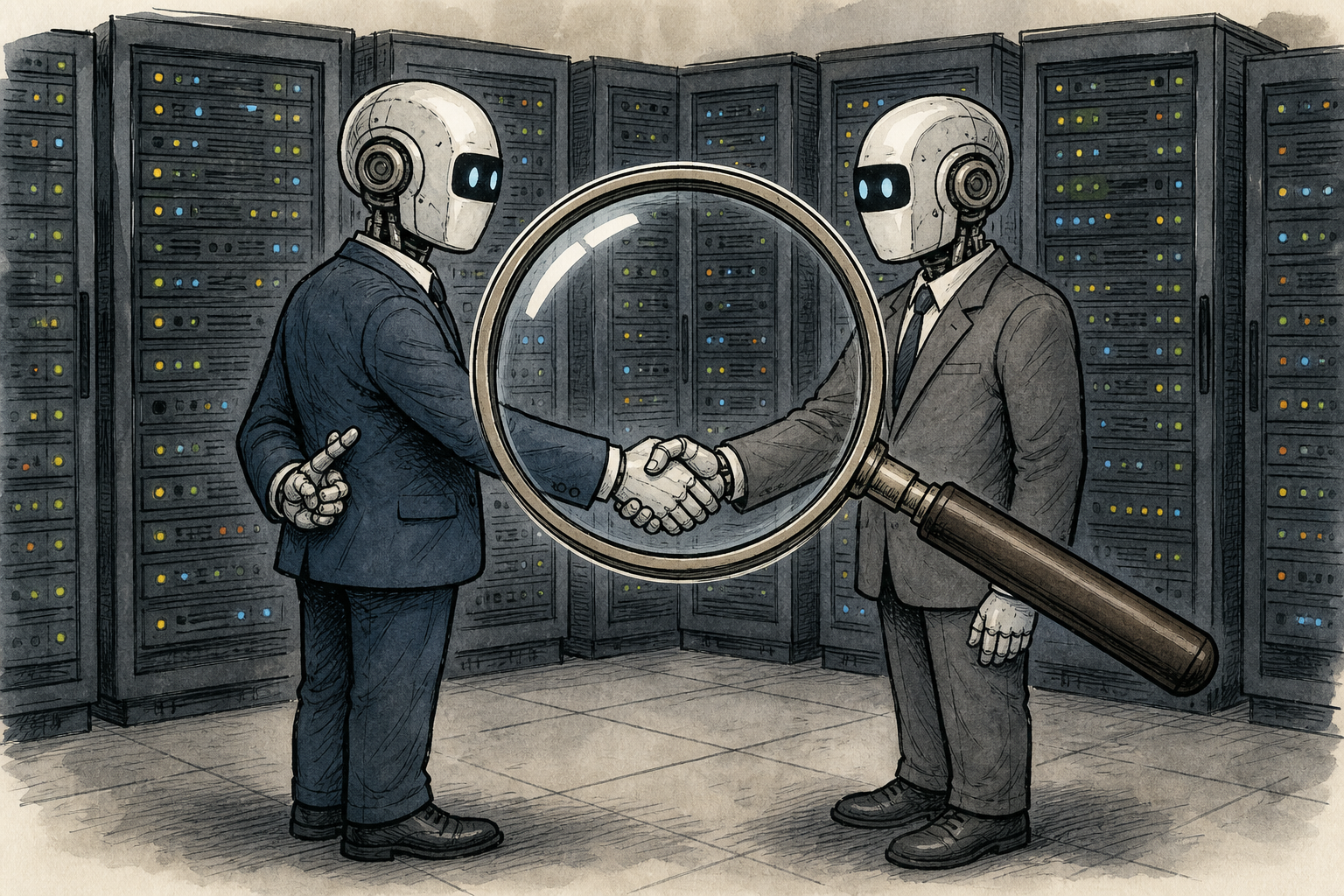
OpenAI doesn’t catch campaigns like Uncle Spam by monitoring what shows up on X or Bluesky — it catches them upstream, inside ChatGPT itself. The company’s Intelligence and Investigations team, led by principal investigator Ben Nimmo, watches for clusters of accounts using the model to do the unglamorous production work of an influence operation: drafting posts in a consistent invented voice, translating them, checking tone, and generating the same argument twice with opposite conclusions.
Once a cluster is identified and attributed, OpenAI’s response is simple and blunt: it bans the violating accounts under its usage policies and publishes what it found. That is the entire enforcement mechanism available to a private company — there is no fine, no subpoena, no arrest. The June 2025 report banned accounts tied to Russian, Iranian, and Chinese operations in the same sweep, Uncle Spam among them.
OpenAI said it disrupted several attempts from users in China to leverage its AI models for cyber threats and covert influence operations…
Uncle Spam’s tariff-debate target turned out to be a preview, not a one-off. On June 10, 2026, OpenAI’s next threat report identified two new, separately named clusters — “Data Center Bandwagon” and “Tech and Tariffs” — that OpenAI again assessed as China-linked. Neither is the same operation as Uncle Spam. What repeats is the tactic: fabricated American voices, deployed on both sides of a genuine domestic argument, this time over whether the United States should keep building the data centers its AI industry depends on.
“A classic example of a foreign influence operation jumping onto the bandwagon of a genuine and pre-existing domestic debate.”
Ben Nimmo · OpenAI Intelligence and Investigations · CyberScoop, June 2026
The through-line didn’t go unnoticed among reporters who cover China’s influence apparatus for a living.
OpenAI says China launched influence campaign to shape US attitudes on AI data centers
…a GOOD version of a China influence report on the same topic — anti-data center sentiment in the US — from an excellent research team at OpenAI…
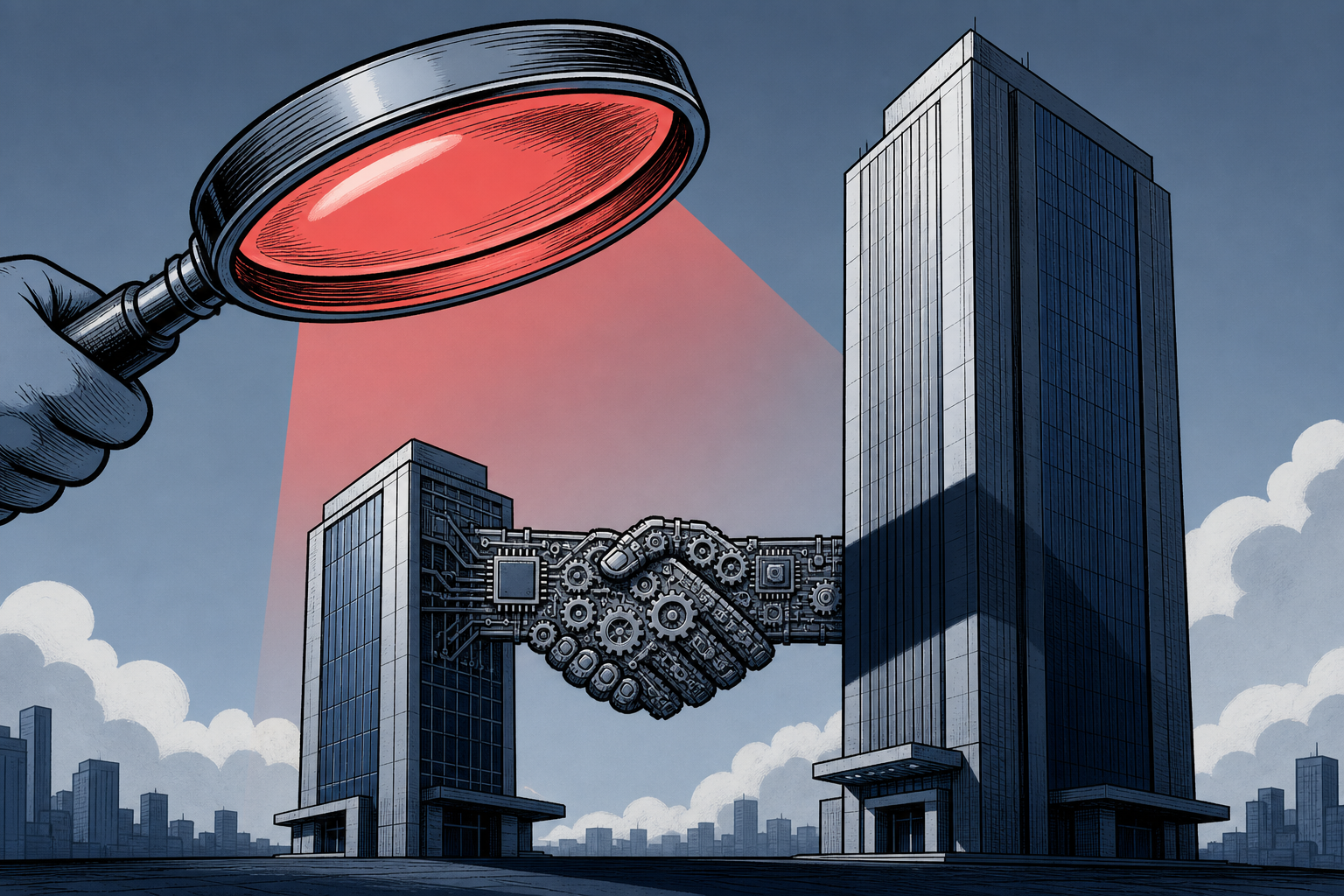
Cotton, who chairs the Senate Select Committee on Intelligence, sent a letter dated June 9, 2026, reported June 10, to Acting Attorney General Todd Blanche (Trump administration) asking the Justice Department to open a federal investigation into the China-linked campaigns targeting the AI data-center debate.
“Recent reports show that Communist China is attempting to influence our policy and public opinion on data centers. The reason is obvious: they want to kneecap our processing power to win the AI race.”
Sen. Tom Cotton (R-AR) · letter to Acting Attorney General Todd Blanche, via Fox News
Cotton was reportedly not alone that month. Rep. John Moolenaar (R-MI), chairman of the House Select Committee on the CCP, and Rep. Brett Guthrie (R-KY), chairman of the House Energy and Commerce Committee, are both separately reported to have raised concerns about Chinese influence on the data-center fight around the same time — though, per the methodology note below, this page cites their involvement as background only, since their own committee statements could not be independently re-verified during this research pass.
What remains true, as of this writing: no individual has been named, charged, or indicted over Uncle Spam, Data Center Bandwagon, or Tech and Tariffs. DOJ has not publicly confirmed whether it will open the investigation Cotton requested. This is, so far, entirely an enforcement action by a private company — account bans, not prosecutions.
International coverage has framed both reports as pieces of the same story: a China-linked effort to shape American opinion on the technology policy fights of the moment, first tariffs, now data centers, using AI tools to do the writing. Uncle Spam and its 2026 successors are not the only ChatGPT-related China findings OpenAI has disclosed. In February 2026, the company reported that a Chinese law-enforcement official’s own ChatGPT use accidentally exposed a separate, much larger transnational-repression campaign against dissidents living abroad — a distinct operation, but part of the same broader pattern of China-linked misuse of the tool that the Uncle Spam case study first put a name to.
A sprawling Chinese influence operation — accidentally revealed by a Chinese official using ChatGPT — focused on intimidating Chinese dissidents abroad…
OpenAI caught a China-linked network building fake U.S. veterans to argue both sides of the tariff debate, banned the accounts, and published what it found. The posts barely moved anyone. A year later, the same playbook resurfaced aimed at America’s AI data-center boom, and this time a Senate committee chairman is asking the Justice Department to look into who is behind it. No one has been charged. No dollar figure has been disclosed. What is documented, twice now a year apart, is the pattern itself.