
Albany Found a Villain for Your Electric Bill. It Picked the Wrong One.
On the last night of its 2026 session, the New York State Legislature voted to make the state the first in the nation to freeze new large data centers. The Responsible Data Center Development Act — the Senate passed it 44–16, the Assembly 102–39 — would pause permits for facilities drawing 20 megawatts or more for a year, order an environmental study, and force utilities to build a separate rate class so the cost of serving those facilities can’t be smeared across everyone’s bill.
The pitch is simple and emotionally satisfying: New Yorkers are furious about electric bills, AI server farms are power hogs, so freeze the server farms and protect the ratepayer. The bill’s sponsor, State Senator Kristen Gonzalez (D), framed it cleanly: “Technology should improve peoples’ lives, not drive up our energy bills.”
There is one problem. New York’s electricity prices were climbing for years before a single hyperscale data center existed in the queue — and the things that actually pushed them up are decisions Albany made itself. As City Journal’s Shawn Regan put it about the national version of this panic, prices were “rising well before the current data center boom,” and “pausing isn’t policy.” Albany has a data-center panic. What it does not have is an answer to why power costs so much in New York.
- 27.07¢/kWh — New York residential electricity price as of June 2026 — about 50% above the U.S. average of 18.05¢ · Source: ElectricChoice; Empire Center pegs the gap at ~70% on some measures
- +50%+ — rise in New York electricity prices since the 2019 CLCPA climate law — a trend that predates the data-center queue · Source: Climate Change Dispatch / Nuclear NY, FREOPP
- 2,083 MW — of carbon-free nuclear capacity Albany retired by closing Indian Point in 2020–2021; downstate fossil generation then climbed to ~94% by 2023 · Source: FREOPP
- $4,000 — estimated added annual energy cost per household from full CLCPA compliance, per a state analysis cited in early 2026 · Source: City & State New York
The Responsible Data Center Development Act (S.10462 / A.11560), carried by State Senator Kristen Gonzalez (D) and Assemblymember Didi Barrett (D), does four things. It imposes a one-year statewide moratorium on permits for new data centers with a peak load above 20 megawatts. It orders the Department of Environmental Conservation to produce an environmental impact report covering electricity, water, emissions, and effects on disadvantaged communities. It directs the Public Service Commission to create separate electric, gas, and water rate classes for large data centers so their infrastructure costs are assigned to them, not socialized onto residential customers. And it layers on renewable-sourcing targets — one-third by 2030, ramping to 90% by 2040 — plus prevailing-wage and domestic-steel rules.
Some of that is defensible. A dedicated rate class that makes a hyperscaler pay for the substation it needs is sound ratepayer protection — the kind of cost-causation principle the Public Service Commission already says it wants. But the headline act is the freeze, and a freeze is a statement about cause: it says data centers are why your bill is going up. That claim is where the story falls apart.

The case that data centers are a scapegoat is not a vibe — it is in the data. In an analysis flagged by the American Institute for Economic Research’s Daily Economy, writer Julia R. Cartwright pointed to research from the Institute for Energy Research finding “no statistically significant relationship between the number of data centers and electricity prices.” The top data-center states averaged 14.46¢/kWh against 14.39¢ for the rest — effectively identical. More striking still: states where electricity sales grew fastest from 2015 to 2025 saw a 20% price increase, while low-growth states saw 39.4% — nearly double. Demand growth, the data-center bogeyman, correlated with cheaper power, not pricier.
City Journal, the Manhattan Institute’s urban-policy magazine, has made the same point about New York specifically across several pieces this spring — that lawmakers are reaching for the most visible new load on the grid precisely because the real causes implicate their own record. As Shawn Regan wrote, AI and its infrastructure “have emerged as a clear scapegoat” even though prices were “rising well before the current data center boom.” A separate City Journal essay put the diagnosis in its title: Blame Government Policy for Soaring Energy Prices. The honest version of the ratepayer argument is that someone should pay for the power lines a data center needs — and the bill’s rate-class provision does exactly that. The dishonest version is the freeze, which treats a symptom of demand as the disease.
“Electricity prices have been rising well before the current data center boom… AI and the related infrastructure buildout have emerged as a clear scapegoat.”
Shawn Regan · City Journal · May 5, 2026
New York residential electricity now runs about 27.07¢/kWh — roughly 50% above the national average of 18.05¢, and by the Empire Center’s measure as much as 70% above on some comparisons. Those prices did not spike when the AI boom arrived; they have been grinding upward since Albany passed the Climate Leadership and Community Protection Act in 2019. The CLCPA commits the state to 70% renewable electricity by 2030 and a zero-emission grid by 2040 — mandates the state is nowhere near meeting, and that ratepayers are funding through their bills in the meantime.
The numbers are not small. A state analysis cited by City & State New York in February 2026 estimated full CLCPA compliance could add roughly $4,000 a year to a household’s energy costs; Governor Kathy Hochul (D) herself has floated a figure of up to $3,500. The Manhattan Institute’s Ken Girardin has documented how Albany has “pressed utilities into service as state government’s bagmen,” collecting for climate programs through electric bills that would otherwise be recognized as tax hikes. None of that is a data center’s doing. It is policy — voted on, signed, and owned by the same officials now hunting for a villain.
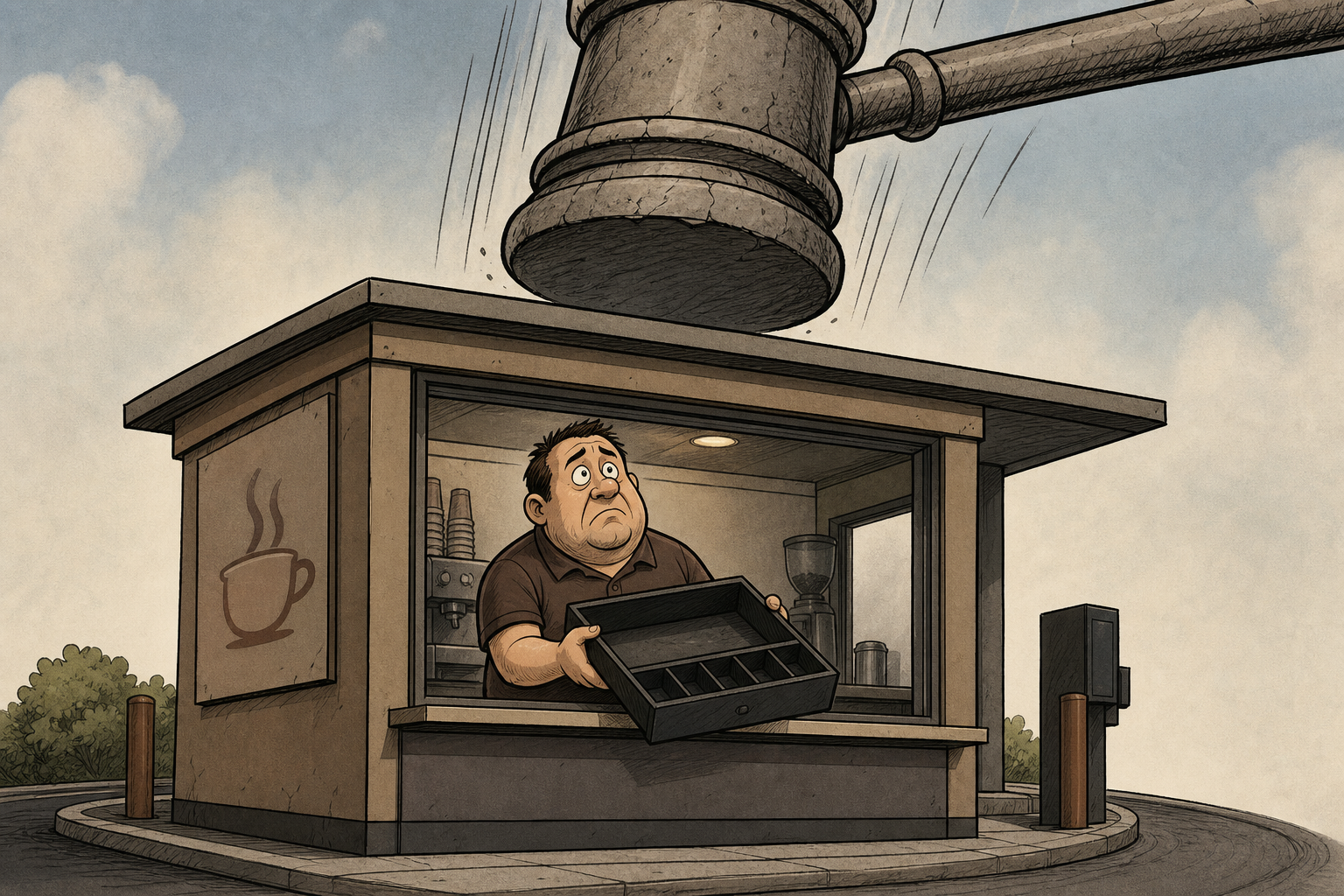
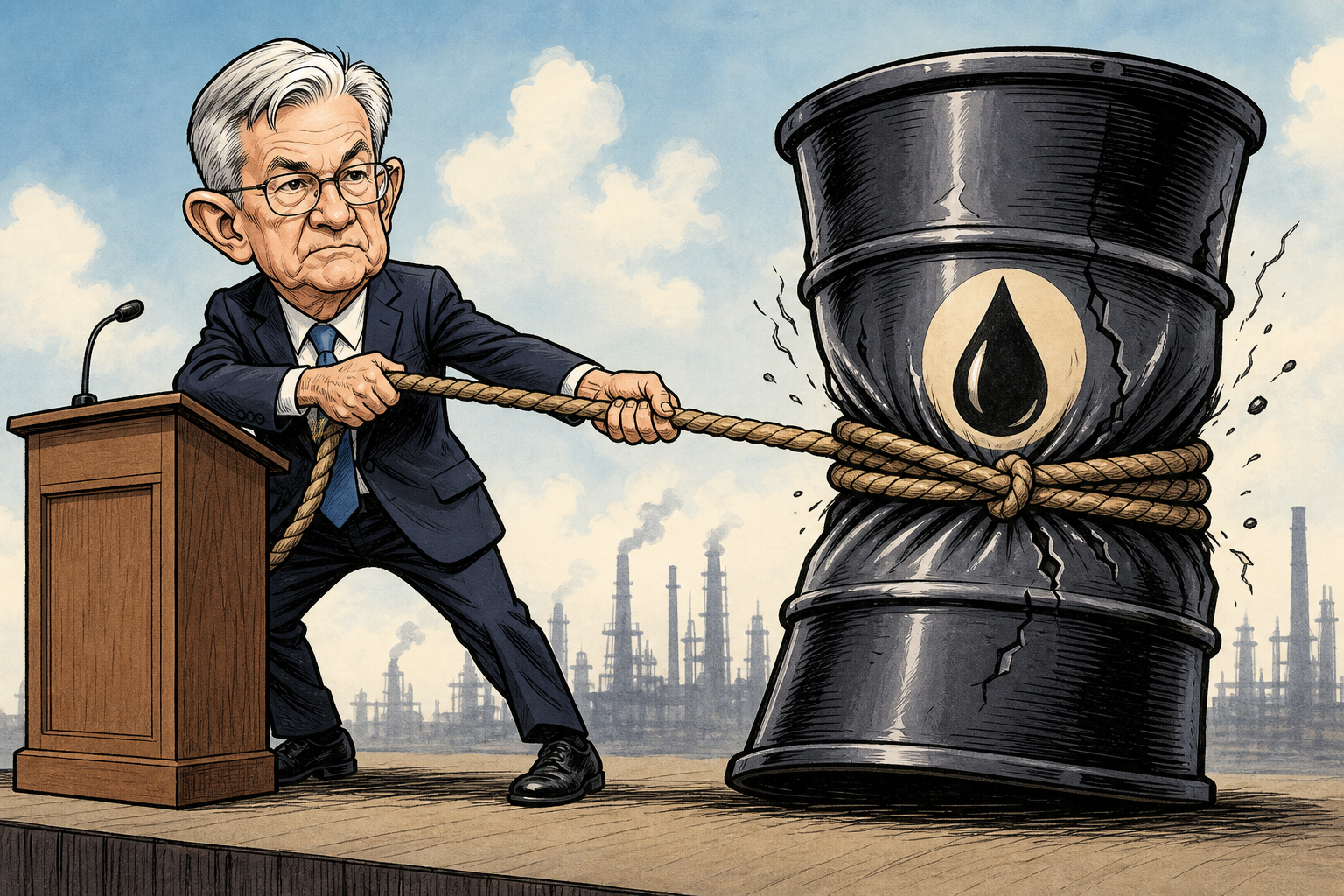
Electricity prices have been rising well before the current data center boom. AI and the related infrastructure buildout have emerged as a clear scapegoat. Pausing isn't policy.
The single clearest example of self-inflicted cost is Indian Point. The downstate nuclear plant’s two reactors — 2,083 megawatts of carbon-free, around-the-clock power — were shut in April 2020 and April 2021 under a deal long pushed by New York Democrats. What replaced that baseload was natural gas. By FREOPP’s accounting, downstate New York’s grid went from about two-thirds fossil-powered before the closure to roughly 94% by 2023, and the shutdown cost ratepayers an estimated $258–304 million in additional marginal electricity costs in 2022 alone, while raising emissions. Albany retired its cleanest, cheapest large generator and is now warning that data centers will make the grid dirtier and pricier.
The second structural driver is the grid’s own shape. The U.S. Energy Information Administration has long documented that transmission congestion between upstate New York — where generation is cheaper and largely emission-free — and the dense, expensive demand centers of New York City and Long Island keeps downstate wholesale prices persistently higher. Cheap power exists; it simply can’t get to where people live. That is a building problem, not a server-farm problem, and a one-year moratorium on data-center permits does nothing to fix it. If anything, it signals to the firms that might fund new transmission and generation that New York is, as the Data Center Coalition warned Spectrum News, “closed for business.”
The reformers’ prescription is not “ignore data centers.” It is to govern them through price and cost-causation rather than prohibition. Keep the bill’s best provision — the separate rate class — so a hyperscaler pays for the transmission, substations, and capacity it requires, and ratepayers are genuinely shielded. Let large loads bring or fund their own generation, including the on-site and behind-the-meter power that, as Regan notes, “doesn’t hit the existing grid at all” and can even add supply. And then go after the actual cost drivers: revisit the CLCPA’s most expensive mandates, stop retiring firm low-carbon generation before replacements exist, and build the transmission that would let cheap upstate power reach downstate bills.
On at least one count, even Albany seems to half-know this. Governor Hochul (D), who is up for re-election this year, has not committed to signing the moratorium — she has suggested the call should be left to municipalities, and she rolled out her own “ratepayer protection plan” aimed at utility accountability and grid reliability. That instinct — price discipline and reliability over a blanket ban — is closer to sound policy than the freeze her legislature handed her.
True: Large data centers add real load, and serving them requires costly infrastructure. Making them pay for it through a dedicated rate class is legitimate ratepayer protection.
True: New York’s electricity prices are roughly 50–70% above the national average and have risen 50%+ since the 2019 CLCPA — before the data-center queue formed.
Spin: That a one-year permit freeze on data centers will lower the bills New Yorkers are already paying. The cross-state data shows no significant link between data-center counts and prices.
Unaddressed: The CLCPA mandates, the Indian Point closure, and upstate-to-downstate transmission congestion — the documented drivers the moratorium does not touch.
New Yorkers are right to be angry about their electric bills. The bills are real, the increases are steep, and the state genuinely is among the most expensive places in the country to keep the lights on. But the data-center moratorium answers that anger with a target, not a cause. It freezes the newest, most visible load on the grid while leaving untouched the climate mandates, the plant closures, and the transmission bottlenecks that the state’s own data — and the EIA’s — identify as the actual drivers.
That is the difference between a panic and a policy. A policy makes the party that causes a cost pay it, builds the infrastructure that lowers prices, and revisits the mandates that raise them. A panic finds a villain, passes a ban, and lets the structural causes — and the officials who authored them — off the hook. Whether Governor Hochul (D) signs the freeze or returns it for something closer to the former will say a great deal about which one Albany is actually after.
Technology should improve peoples' lives, not drive up our energy bills or exhaust our natural resources. New York just passed the first statewide data center moratorium in the nation.
- 1.City Journal (Shawn Regan) — 'What the Data Center Debate Gets Wrong': prices were 'rising well before the current data center boom,' and 'pausing isn't policy,' May 5, 2026
- 2.The Daily Economy (Julia R. Cartwright) — 'Data Center Panic Gets Electricity Prices Wrong': 'no statistically significant relationship between the number of data centers and electricity prices,' May 4, 2026
- 3.City Journal — 'Neither Party Offers Any Help for New York's Electricity Cost Crisis,' May 2026
- 4.City Journal — 'Blame Government Policy for Soaring Energy Prices'
- 5.NY State Senate (Sen. Kristen Gonzalez, D) — 'NY State Senator Kristen Gonzalez Passes Data Center Moratorium, First in the Nation If Signed,' June 2026 (S.10462 / A.11560)
- 6.The Hill — 'New York passes data center moratorium and consumer protections,' June 2026 (Senate 44–16, Assembly 102–39)
- 7.News10NBC (WHEC) — 'New York passes data center moratorium and consumer protections as environmental, and housing proposals stall,' June 2026
- 8.Data Center Knowledge — 'New York Confronts the Data Center Boom: Balancing Growth and Grid Reform' (NYISO queue 11.9 GW of large loads as of Feb. 2026)
- 9.FREOPP — 'Autopsy of a Perfect Policy Failure: The Closure of Indian Point' (2,083 MW retired 2020–2021; downstate fossil generation rose to ~94% by 2023)
- 10.U.S. Energy Information Administration — 'Transmission congestion drives power price division between upstate and downstate New York'
- 11.ElectricChoice — 'New York Electricity Rates & Plans,' June 2026 (residential 27.07¢/kWh, ~50% above the U.S. average of 18.05¢/kWh)
- 12.Empire Center for Public Policy — 'New York's Electricity Prices 70 Percent Above the National Average'
- 13.Manhattan Institute (Ken Girardin) — 'Scheming Politicians Made Utilities Their Energy Bagmen—and We're All Paying the Price'
- 14.City & State New York — 'Climate law mandates could cost New Yorkers $4,000 in higher energy bills, state analysis shows,' Feb. 2026
- 15.Governor Kathy Hochul (D) — 'Governor Hochul Unveils Ratepayer Protection Plan to Hold Energy Companies Accountable and Ensure a Reliable Grid,' 2026
- 16.Gothamist — 'New York eyes first-in-nation moratorium on data center development' (Hochul: leave it to municipalities)
Last updated June 11, 2026