Two Years Ago, the Pentagon Vowed No New Limits on Ukraine. Now Its Own Secretary Is Being Asked Why America Stepped Back.
In October 2024, a reporter asked the Pentagon a simple question: if North Korean soldiers fighting for Russia started dying in large numbers, would Washington put new limits on how Ukraine could use American weapons against them? Deputy Press Secretary Sabrina Singh gave a one-word answer, then explained it. No. They were, in the Biden Pentagon’s words, “co-belligerents.”
In April 2026, a U.S. senator asked the Pentagon a different question. Not how far America would go to help Ukraine, but why it had stopped. “Why are we abandoning Ukraine?” Sen. Angus King (I-Maine) demanded of Secretary of War Pete Hegseth (Trump administration). The answer he got back was about Europe “shouldering the burden.”
This story is not breaking news — it is an explainer connecting two Pentagon episodes that are, respectively, two and three years old: the October 2024 confirmation that North Korean troops had joined Russia’s invasion, and the April 2023 Jack Teixeira intelligence leak that exposed a small undisclosed U.S. military footprint tied to the war. Neither happened this week. What is current is the contrast: the posture of the Pentagon that made those calls in 2023 and 2024 versus the posture of the Pentagon answering for the war today, under a different administration.
- ~10,000 — North Korean troops the Pentagon assessed were deployed to Russia's Kursk Oblast as of late October 2024 — Source: U.S. Department of War, State Department briefing
- 14 — U.S. special-forces personnel among 97 NATO special-forces personnel described as operating inside Ukraine — according to leaked Discord documents only, never confirmed on the record by any U.S. official — Source: Newsweek, April 2023
- 15 years — the federal prison sentence given to Jack Teixeira, the Massachusetts Air National Guardsman who leaked the documents — Source: NPR, Nov. 12, 2024
- $62 billion — cumulative U.S. security assistance to Ukraine as of the October 2024 tranche — Source: U.S. State Department / Department of Defense tallies
- April 29–30, 2026 — the Senate Armed Services Committee posture hearing where Sen. Angus King (I-Maine) asked Secretary of War Pete Hegseth why the U.S. had “stepped back” — Source: Sen. Angus King press release
- $400 million — the 2026 Ukraine support package the Pentagon released after Sen. Mitch McConnell (R-Ky.) publicly criticized the delay — Source: congressional reporting
By late October 2024, NATO and the Pentagon had confirmed what Ukrainian officials had been warning about for weeks: North Korea had sent troops to fight for Russia. At an on-camera briefing, Pentagon spokesman Maj. Gen. Pat Ryder confirmed the deployment to Russia’s Kursk Oblast, and State Department spokesperson Matthew Miller (Biden administration) put the assessed number at roughly 10,000. Then-Defense Secretary Lloyd Austin (Biden administration) went further, telling reporters that if those troops entered combat against Ukrainian forces, they would be “legitimate targets.”
The sharper question came a few days later, when a reporter pressed Deputy Press Secretary Sabrina Singh on whether Washington would tighten restrictions on Ukraine’s use of American weapons if North Korean soldiers started dying at Ukrainian hands. Singh’s answer was immediate and unhedged.
“No. If North Korea – if we see DPRK troops moving in and towards the front lines, I mean, they are co-belligerents in the war.”
Sabrina Singh, Pentagon Deputy Press Secretary (Biden administration) · Oct. 30, 2024
That is a maximalist policy line: not merely tolerating Ukrainian strikes on North Korean units, but affirmatively rejecting the idea that their presence should trigger new restraint. It landed in the middle of an intensifying bipartisan push in Washington for more, not less, support. Days later, Sen. Roger Wicker (R-Miss.), the ranking Republican on Senate Armed Services, publicly urged President Biden to use his remaining months in office to accelerate weapons deliveries rather than slow them down — a reminder that, as of October 2024, skepticism toward continued Ukraine aid was not yet the default posture of either party in Washington.
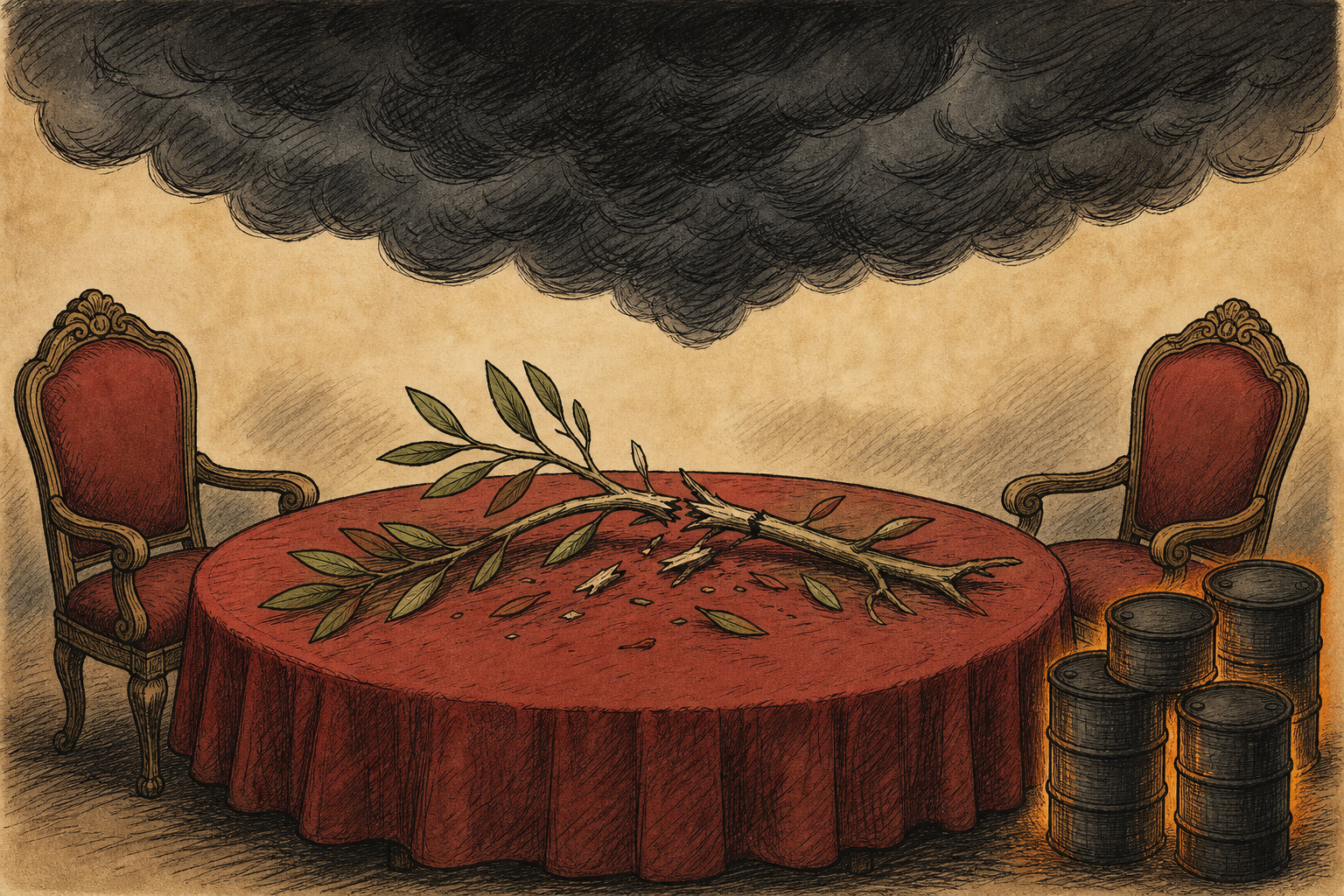
Rewind eighteen months earlier, to April 2023, for the thread this story’s other half traces: Jack Teixeira, a 21-year-old Massachusetts Air National Guardsman, was arrested after classified Pentagon documents he had posted to a Discord server for months surfaced publicly. Among the leaked material was a count describing 14 U.S. special-forces personnel as part of a total of 97 NATO special-forces personnel operating inside Ukraine.
That figure has never been confirmed on the record by any U.S. official. It is, and remains, a leak-based claim — sourced only to documents Teixeira is accused of removing without authorization, not to any Pentagon or White House statement. What the government did confirm, on the record, was narrower and different in kind: National Security Council spokesman John Kirby acknowledged only a “small U.S. military presence” tied to the American embassy in Kyiv, and was explicit about its limits.
“They are not fighting on the battlefield. There has been no change to the president's mandate that there will not be American troops in Ukraine fighting in this war.”
John Kirby, National Security Council spokesman · April 2023
Teixeira pleaded guilty and was sentenced to 15 years in federal prison on November 12, 2024 — just weeks after Singh’s “co-belligerents” comment, though the two events are otherwise unconnected. NPR’s coverage of the sentencing confirmed the broad contours of what the leaked documents contained, without validating every individual figure inside them, including the special-forces count. That distinction — the leak’s authenticity as a body of documents versus the accuracy of every number inside it — is one this story preserves throughout, rather than treating “14” as an established fact.
The “co-belligerents” policy was tested within months. On January 11, 2025, Ukrainian President Volodymyr Zelensky announced that Ukrainian forces had captured two wounded North Korean soldiers in Kursk — the first confirmed prisoners of war from Pyongyang’s deployment. Zelensky used the announcement to make a specific, serious allegation about how Russian and North Korean forces were treating their own wounded.
Russian forces and other North Korean military personnel usually execute their wounded to erase any evidence of North Korea's involvement in the war against Ukraine.
South Korean intelligence assessed the following month that North Korea had suffered roughly 300 killed and 2,700 wounded in the fighting, and that Pyongyang had pulled its remaining troops back from the front lines. It took until April 28, 2025 for North Korea itself to officially confirm, for the first time, that it had deployed its own troops to fight alongside Russia — an admission that arrived a full six months after the Pentagon had already assessed and publicly confirmed the deployment.
NATO Secretary-General Mark Rutte had treated the North Korean deployment throughout as confirmation that the war had become an internationalized conflict rather than a strictly bilateral one — the same premise underlying Austin’s “legitimate targets” line and Singh’s “co-belligerents” framing. By the time Pyongyang admitted what everyone already knew, that framing had been in place, unchanged, for a year and a half.
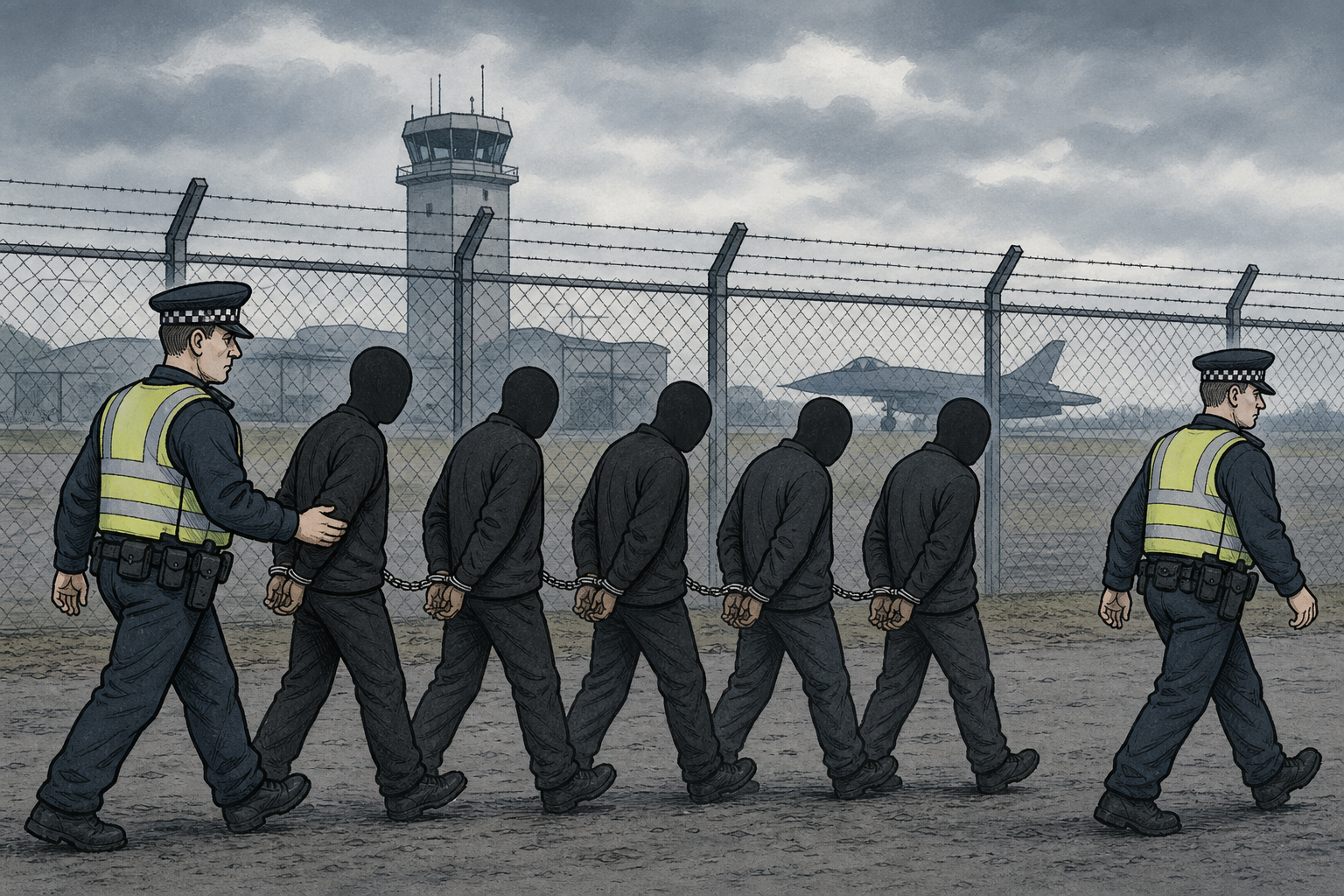
The Pentagon that inherited the Ukraine war in January 2025 speaks in a different register. Current Pentagon Press Secretary Kingsley Wilson— sworn in as Deputy Press Secretary on January 20, 2025 and elevated to the top job in May 2025 — has a documented public record of statements skeptical of continued Ukraine support, including describing further American funding as “no more endless blank checks to Ukraine.” Where Singh’s 2024 Pentagon spoke of co-belligerency and legitimate targets, Wilson’s public language starts from the premise that U.S. generosity has a ceiling.
That shift is not simply a change in spokesperson. It reflects a broader repositioning across the Trump-era Department of War: continued backing for Ukraine, but paired with explicit, repeated pressure on European allies to take over the financial and material burden the United States had carried since 2022. The $95 billion supplemental Congress passed in April 2024 — covering Ukraine, Israel, and Taiwan together — and the additional $2.5 billion package approved December 30, 2024, both predate this shift. They were the last major tranches approved under the old framework, before the posture changed.
That repositioning became an open confrontation at a Senate Armed Services Committee posture hearing held April 29–30, 2026. Sen. Angus King (I-Maine) pressed Secretary of War Pete Hegseth directly on whether the United States was walking away from a partner it had backed for four years.
“Why are we abandoning Ukraine? They have stepped up, but I think the American people should understand that we've stepped back.”
Sen. Angus King (I-Maine) · Senate Armed Services Committee, April 2026
Hegseth did not dispute the premise that U.S. involvement had diminished. Instead, he defended it as a deliberate reallocation of responsibility toward Europe.
“We want Europe stepping up and shouldering the burden. The threat is far closer to rich and capable countries in Europe and they should step up to lead the charge.”
Pete Hegseth, Secretary of War (Trump administration) · Senate Armed Services Committee, April 2026
That exchange happened against a backdrop of continued, if reduced, funding. The Pentagon released a $400 million Ukraine support package earlier in 2026 only after Senate Republican Leader Mitch McConnell (R-Ky.) publicly criticized the delay — support that still moved, but only after outside pressure, not as the department’s own initiative. Measured against the $62 billion in cumulative assistance approved through the October 2024 tranche, $400 million is a fraction of the prior pace.
The Pentagon’s current posture is not a flat withdrawal, even if King’s framing of “stepped back” is accurate about the trend. A month after the Senate hearing, at the Shangri-La Dialogue security forum on May 30, 2026, Hegseth struck a somewhat softer note while still pressing Europe to lead.
“We'll find a way to make sure we can help them.”
Pete Hegseth, Secretary of War · Shangri-La Dialogue, May 30, 2026
That daily tension — skepticism toward Ukraine funding at the podium level, paired with hedged commitments in testimony — is visible in the Pentagon’s regular press briefings under Wilson, where questions about continued Ukraine support are now a recurring feature rather than the settled non-issue they were under the prior administration.
Officially confirmed, on the record: the North Korean troop deployment to Kursk and its assessed scale (Pentagon, State Department, NATO); Sabrina Singh’s “co-belligerents” quote (Pentagon transcript); Lloyd Austin’s “legitimate targets” comment (Washington Post); the small, non-combat U.S. military presence tied to the Kyiv embassy (John Kirby, NSC); Jack Teixeira’s conviction and 15-year sentence (NPR); North Korea’s own April 2025 admission of its deployment.
Leak-based, never officially confirmed: the count of 14 U.S. special-forces personnel among 97 total NATO special-forces personnel described in the leaked Discord documents. No U.S. official has confirmed that figure on the record, and this story does not treat it as established fact — only as what the leaked documents reportedly said.
In October 2024, the Pentagon said North Korean troops fighting for Russia were “co-belligerents” and promised no new limits on how Ukraine could target them. Eighteen months earlier, a leaked trove of Discord documents had already exposed a small, non-combat U.S. military footprint the government insisted was not fighting in the war. By April 2026, the same building was fielding a very different question — not how far the U.S. would go, but why it had pulled back — and its answer was that Europe should lead. Both threads are confirmed where the record allows and flagged as unconfirmed where it doesn't; the throughline connecting them is a policy that got measurably cooler while the war itself did not end.