Six Years and an Abandoned Insanity Claim Later,
Maya Vishniak’s Killer Gets 25 Years.
Amit Almog photographed Maya Vishniak’s body after he strangled her. He sang while he did it, scattered banknotes over her, and sent the images to a friend. On Sunday — six years and two months after that May 2020 afternoon in his mother’s Ramat Gan apartment — a three-judge panel of the Tel Aviv District Court sentenced him to 25 years in prison for her murder.
The court added suspended terms and ordered Almog to pay NIS 258,000 — about $68,000, the statutory maximum — in compensation, split among Vishniak’s parents and three siblings. The prison term is one year below the 26-year cap prosecutors accepted in the plea deal that ended the case. As Almog was led out, the family shouted after him: “You will rot in prison, murderer. Count the days and the nights.”
Vishniak was 22 when she was killed. Almog was 21. He is 28 now — the age she was supposed to be. The six years between the killing and now, filled by five and a half years of insanity and diminished-responsibility claims he ultimately abandoned, is why this case became one of Israel’s most closely watched femicide prosecutions — and why the number her family left court with is 25, not life.
- 25 years — the prison term handed down July 12, 2026 by the Tel Aviv District Court — one year under the plea deal's 26-year cap · Source: The Jerusalem Post
- NIS 258,000 (~$68,000) — compensation ordered for Vishniak's parents and three siblings — the statutory maximum available to the court · Source: The Jerusalem Post; Ynet
- 6 years, 2 months — from the May 16, 2020 killing in Ramat Gan to the July 12, 2026 sentence · Source: The Times of Israel; The Jerusalem Post
- 5.5 years — of insanity and diminished-responsibility claims Almog pursued before withdrawing them in the late-2025 plea deal · Source: The Jerusalem Post
The panel that sentenced Almog was headed by the president of the Tel Aviv District Court, Judge Gilad Neuthal, sitting with Judges Tali Chaimovich and Limor Bibi. Their language was not clinical. The murder, the court wrote, “gravely violated the sanctity of life,” and Almog “abused the trust inherent in the couple’s romantic relationship” — a young woman killed in a private apartment by the man she had been with for barely six months.
Inside the courtroom, the Vishniak family filled the benches they have occupied through six years of hearings. When the term was read out, the composure broke — relatives shouted at Almog to count his days and nights in prison. Outside, her father, Ariel Vishniak, gave the family’s verdict on the verdict: the court had gone as far as the plea deal allowed it to go, and no further, because no further existed.
“The court gave the maximum it could give.”
Ariel Vishniak, Maya's father, outside Tel Aviv District Court — The Jerusalem Post, July 12, 2026
The video coverage of this case comes from Kan 11, Israel’s public broadcaster; the clips embedded on this page are Hebrew-language reports, with English titles and context supplied here.

Maya Vishniak grew up in Oranit, the eldest of Ariel and Hila Vishniak’s children. She met Almog at a music festival in Hungary in the summer of 2019; by December they were a couple. On May 16, 2020, around 6 p.m., in his mother’s apartment on Avtalion Street in Ramat Gan, Almog strangled her — gripping her neck with his arm and covering her mouth until she asphyxiated.
What he did next is the detail that fixed this case in Israel’s memory. According to police and the reporting at the time, Almog photographed Vishniak’s body while singing, scattered banknotes over her, and sent the images and a video to a friend. Haaretz reported within days of the killing that investigators believed the photo of the corpse had been sent from his phone. The behavior became central to both sides of the six-year legal fight that followed — the prosecution’s evidence of depravity, and the defense’s claimed evidence of madness.
The June 2020 indictment charged Almog with aggravated murder, and it charged something else: that in the same period he stabbed his own mother. That count was contested throughout — a forensic expert retained by the defense suggested the mother’s wounds could have been self-inflicted — and this page attributes the allegation strictly to the indictment, asserting no finding on it. The murder count, by contrast, is no longer an allegation of any kind. Almog admitted it.
A psychiatric evaluation found Almog fit to stand trial as early as July 2020. What followed anyway was five and a half years of insanity and diminished-responsibility claims — evaluations, counter-evaluations, and hearings that stretched across the entire first half of the 2020s while Vishniak’s family kept returning to the same courthouse.
Then, in late 2025, the defense folded its central claim — and the prosecution paid for the fold. Under the plea deal, Almog withdrew the insanity claims and admitted he murdered Vishniak with intent. In exchange, the charge came down from aggravated murder, which carries a mandatory life sentence under Israeli law, to intentional murder — a reduction resting partly on his cannabis use around the killing. Prosecutors agreed to seek no more than 26 years. On December 25, 2025, the court convicted him on his own admission. The mandatory life sentence was off the table before the sentencing hearing ever began.
On Sunday the judges made a point of saying how little the abandoned defense had ultimately weighed. The court gave “limited weight to his mental condition and his cannabis use” in sentencing, “without reducing his criminal responsibility.” Prosecutor Oren Paz had asked for the cap; the panel landed one year beneath it.
“The murder gravely violated the sanctity of life... he abused the trust inherent in the couple's romantic relationship.”
Tel Aviv District Court sentencing decision, July 12, 2026 — via The Jerusalem Post
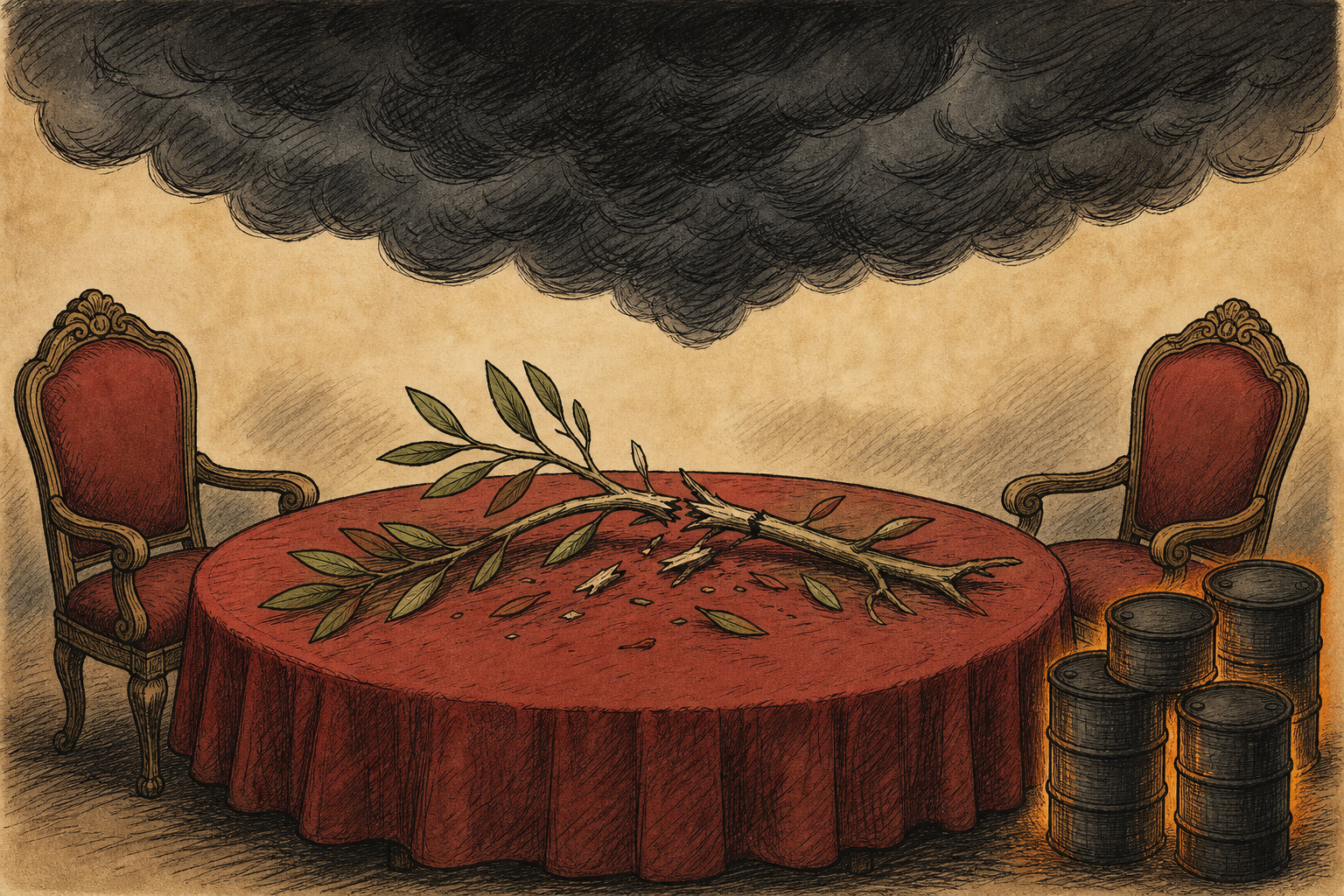
The arithmetic of the outcome is the debate the case leaves behind. A man who strangled his girlfriend, photographed her body, scattered cash over it, and sent the pictures to a friend will serve a fixed term instead of life — because the charge he admitted was shaped by a negotiation, and the negotiation was shaped by five and a half years of psychiatric litigation — a fight the prosecution could not be certain of winning outright at trial. The plea bought the family certainty; it also bought Almog the only discount Israeli law had left to give him.
Vishniak’s killing landed in an Israel already convulsed by the 2019 murder of Michal Sela, killed by her husband — a case that made femicide a national reckoning rather than a police blotter item. Maya Vishniak’s name joined that ledger: a young woman killed not by a stranger but by the man closest to her, in a home, with the machinery of justice grinding for years afterward. Her sister Shira put the family’s loss in the tense the courts cannot reach.
“Maya was supposed to be 28. Her whole life was ahead of her.”
Shira Vishniak, Maya's sister — The Jerusalem Post, July 12, 2026
Only one X post connected to this case could be verified — Kan News coverage from a November 2024 hearing, embedded below and labeled as such; no sentencing-day posts were findable, which is why this page leans on Kan 11’s video reporting instead.
Kan News coverage from a November 2024 hearing in the trial of Amit Almog, charged with the 2020 murder of his girlfriend Maya Vishniak in Ramat Gan — a year before the plea deal that ended his insanity defense.
Six years and two months passed between the killing and the sentence — a stretch of time longer than Maya Vishniak got to spend as an adult. Her family, as her father said on the courthouse steps, got the maximum the deal allowed — and the deal is the reason a maximum existed at all.
Amit Almog strangled 22-year-old Maya Vishniak in May 2020, photographed her body, and spent five and a half years claiming insanity before admitting he killed her with intent. The plea deal that ended the case traded a mandatory life sentence for a 26-year cap; on July 12, 2026, the Tel Aviv District Court gave him 25 years and the statutory-maximum NIS 258,000 in compensation to her family. Accountability arrived — six years and two months late, and one negotiation short of life.