
Trump Says the Iran Deal Is Done. Israel Says It Doesn’t Bind Them.
On June 14, 2026, President Trump announced that a deal to end the war with Iran was “now complete,” authorized the “toll free” reopening of the Strait of Hormuz, and ordered the U.S. Navy to lift its blockade of Iranian ports. A formal signing was set for Friday, June 19, in Switzerland, with Pakistan and Qatar as mediators — but it was postponed amid renewed fighting in Lebanon (see the June 19 update below).
In Tehran, the regime is selling it as a triumph — proof, officials say, that Iran forced a superpower to the table. In Jerusalem, the reaction is closer to revolt. Israeli leaders across the governing coalition and the opposition are united on one point: a clause that extends the ceasefire to Lebanon, negotiated over Israel’s head, does not bind them.
The agreement was signed digitally on June 15 — by Trump and Vice President JD Vance for the United States and Iran’s parliament speaker for Tehran — but the first formal negotiating round, set for Friday, June 19 at the Bürgenstock resort in Switzerland, was postponed amid renewed Israel-Hezbollah fighting in Lebanon (see the June 19 update below). The U.S. blockade had been lifted and ships were transiting the Strait of Hormuz. The terms that matter most remain disputed: the fate of Iran’s enriched uranium, and the question many readers are asking — is the United States giving money to Iran? The short answer, detailed below, is no: the funds at issue are Iran’s own frozen assets, not U.S. money. This page lays out what was agreed, who pays what and when, and why the Lebanon clause turned a peace deal into a fight with America’s closest ally.
- No U.S. cash — Trump says 'no money would change hands'; the ~$24B at issue is Iran's own frozen assets — not U.S. funds — released only as Iran performs ('pay-for-performance'), per VP Vance. The U.S. rejects Iran's 'money first' version · Source: Axios; Iran International
- Signing postponed — the MoU was pre-signed digitally (Trump and VP Vance for the U.S.; Iran's parliament speaker for Tehran), but the formal June 19 ceremony in Switzerland was postponed open-ended amid renewed Israel-Hezbollah fighting; the framework still stands · Source: Iran International; Times of Israel
- Hormuz open — the U.S. blockade stayed lifted through the postponement and ships kept transiting; Trump claimed ~700 vessels had passed, though tracking showed far fewer. Brent fell ~3% toward $80 · Source: Argus Media; Euronews
- 60 days — the negotiating window to resolve Iran's ~60% enriched-uranium stockpile and enrichment infrastructure — terms Israel calls insufficient · Source: NBC News; Fox News
- Lebanon included — the deal terminates operations on 'all fronts, including Lebanon,' per the Pakistani mediator — imposing an Israel-Hezbollah ceasefire Israel didn't sign · Source: Times of Israel
- 'Does not bind us' — the unified message from Israeli ministers Ben-Gvir, Smotrich, Katz and opposition leaders Gantz and Golan · Source: Jerusalem Post
The Friday talks were called off. The first formal negotiating round — set for Friday, June 19 at Switzerland’s Bürgenstock resort — was postponed with no new date set, after renewed Israel-Hezbollah fighting in southern Lebanon flared overnight. VP JD Vance, who had been due to attend, canceled his trip. The framework itself is not dead: U.S. and Iranian officials say the pre-signed memorandum of understanding still stands and the 60-day clock keeps running — the in-person signing ceremony and the opening nuclear round are paused, not the agreement.
Lebanon is why. Iran said it would not send a delegation while Israel kept striking, tying its participation to a halt in operations against Hezbollah; Israeli strikes in the south killed at least 15 people by Iran’s and Lebanon’s accounts. After mediation, Israel and Hezbollah agreed to restore the earlier ceasefire line, but the episode showed exactly the fault Israeli ministers warned about — that a deal “on all fronts, including Lebanon” binds parties who never signed it.
Hormuz stayed open; still no U.S. money. The naval blockade remained lifted through the postponement and traffic kept moving; Trump claimed roughly 700 ships had transited, though independent tracking showed far fewer. On the money question he was unchanged: “no money, not ten cents,” and Vance again denied any release of frozen assets ahead of Iranian performance. The terms below remain as described in the framework — still unsigned in final form.
Snapshot as of June 16 — on the Hormuz traffic and the Friday signing, see the June 19 update above, which supersedes the timing below.
Is the U.S. paying Iran? No. President Trump says “no money would change hands.” The ~$24 billion in frozen assets is Iran’s own money — blocked abroad under sanctions, not U.S. funds — and VP JD Vance calls it “pay-for-performance,” with no funds released until Iran performs (the U.S. rejects Iran’s claim that ~$12B comes first). A June 16 Reuters report adds that the deal references a separate $300 billion ‘Reconstruction and Development Fund’ — described as a private investment vehicle, not U.S. or government money; Iran reportedly sought $400B in war-damage compensation and Washington refused.
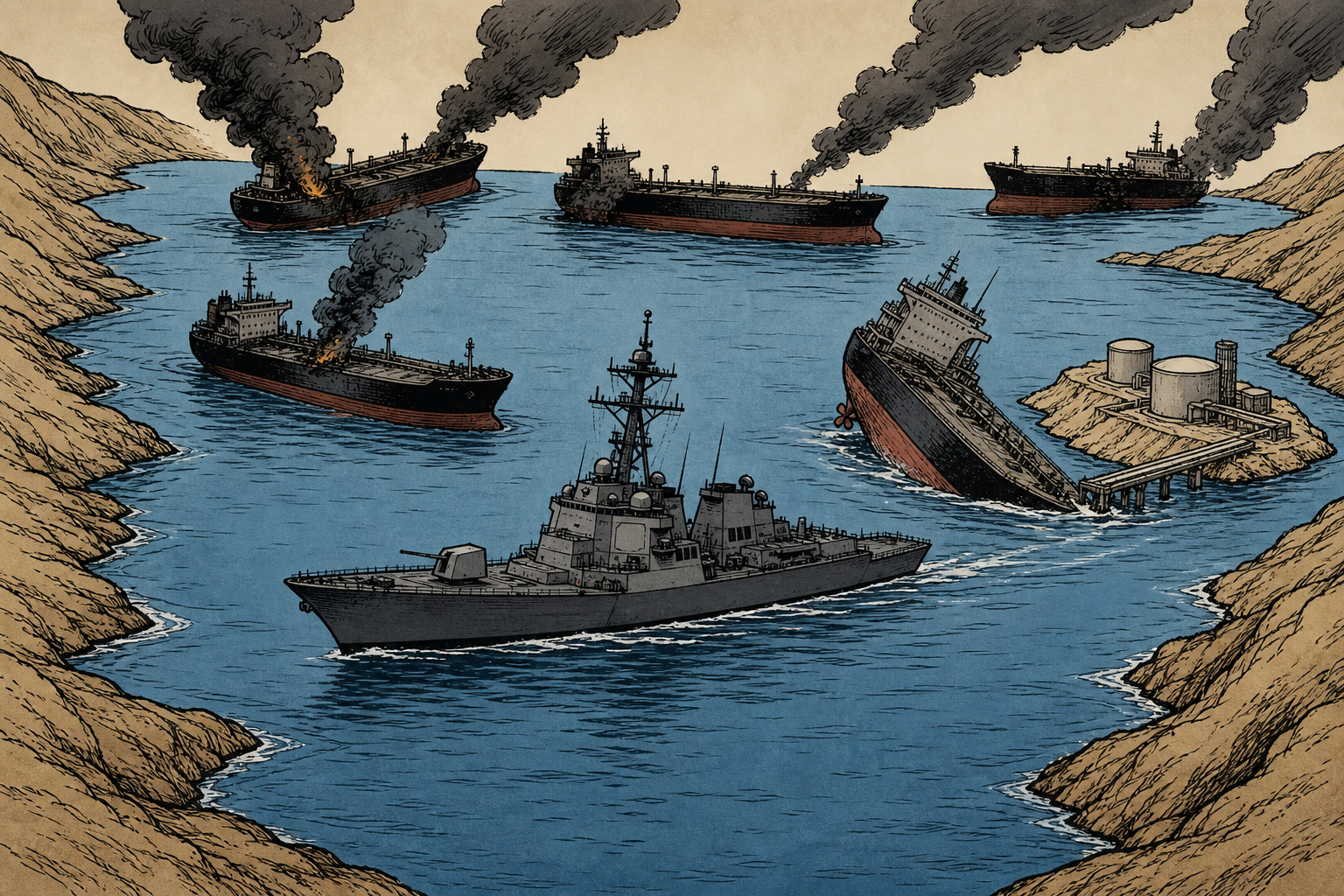
Hormuz: a tentative reopening. The U.S. naval blockade began lifting June 16 and a handful of ships moved — but tanker traffic is still largely holding back, with owners waiting for Friday’s signing and analysts calling current transits “very risky.” Trump says the strait fully reopens Friday; who manages it and whether Iran can charge “maritime fees” remain disputed, with Oman rejecting any fees. Brent crude fell roughly 3% to near $80 on the prospect of returning supply.
Signing: Friday at Bürgenstock (since postponed). As of June 16, Switzerland’s foreign ministry had confirmed the June 19 ceremony for the Bürgenstock resort in Nidwalden, with Iran’s FM Araghchi saying the first round of nuclear talks would happen the same day. That round was later postponed open-ended (see the June 19 update above). The MoU was pre-signed digitally June 15; the full text is still to be released — so several circulating term details remain unverified.
Lebanon is the live fault line. Iran’s Joint Military Command warned Israel on June 16 to “expect a hard response” if it keeps striking southern Lebanon, with Tehran tying its compliance to a Lebanon ceasefire. Washington counters that Hezbollah is excluded from the deal and Israel keeps its own defense authority — the dispute most likely to unravel everything.
The framework, as described by U.S. and mediating officials: Iran affirms it “will not pursue, procure, or attempt to purchase nuclear weapons”; the Strait of Hormuz reopens and the U.S. naval blockade is lifted; some sanctions on Iranian oil are suspended; and roughly $24 billion in frozen assets — Iran’s own money, blocked abroad under sanctions rather than U.S. funds — is to be unfrozen as Iran meets its commitments, with the two sides describing the timing very differently. A 60-day window follows to settle the hardest question — the fate of Iran’s near-weapons-grade enriched uranium. Trump said the deal “would result in the elimination of Iran’s enriched uranium stockpile,” but the mechanism is exactly what remains unwritten.
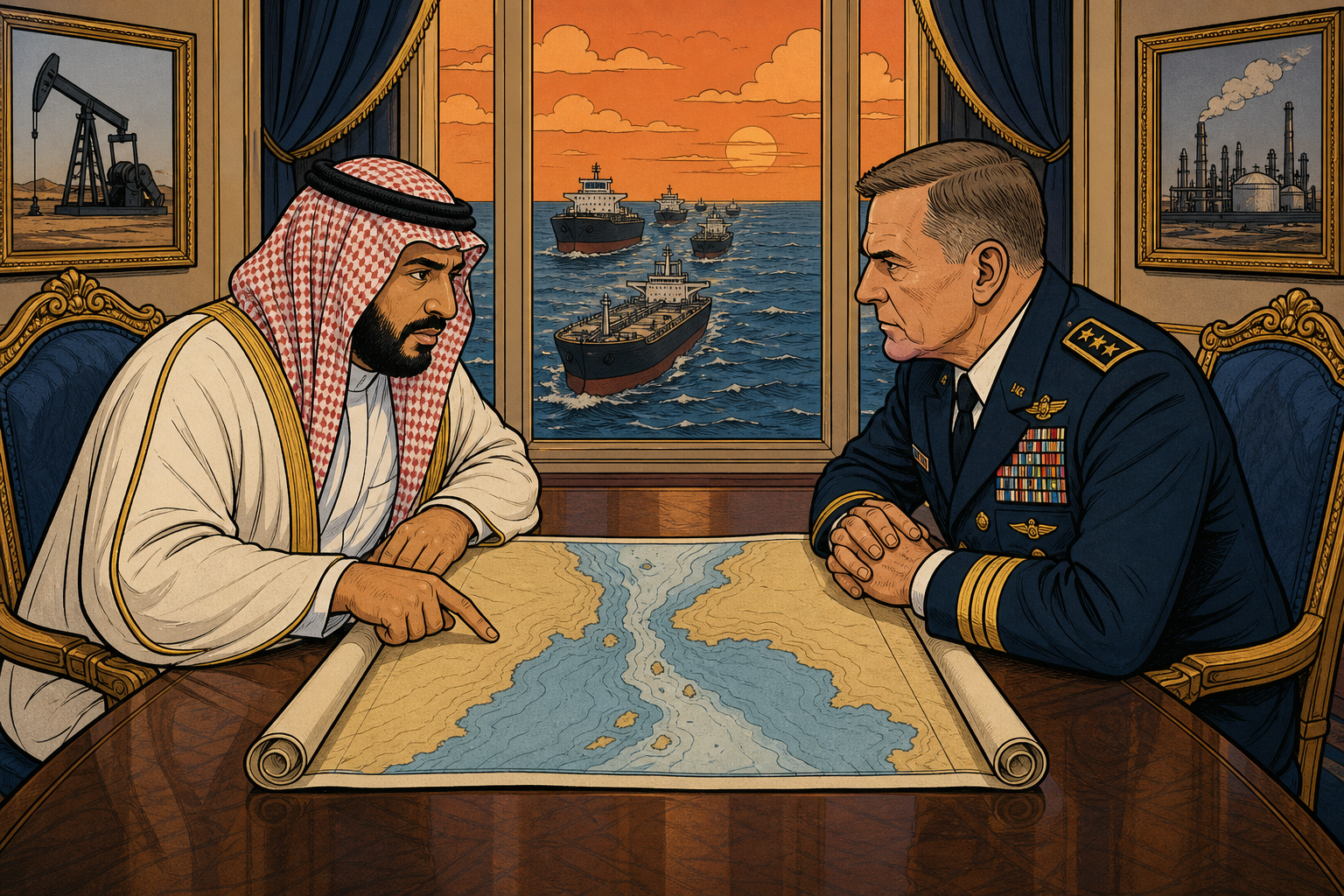
Tehran moved immediately to frame the deal as a strategic win. Foreign Minister Abbas Araghchi told state media the nation had achieved “not only tactical victories… but also important strategic accomplishments.” Deputy Foreign Minister Kazem Gharibabadi added that the memorandum “does not mean trusting the enemy; it has been written with active distrust.” Iranian state TV went further, claiming the “U.S. is forced to sign” the agreement.
“The Iranian nation achieved not only tactical victories during the imposed war, but also important strategic accomplishments.”
Abbas Araghchi · Iranian Foreign Minister · via IRNA · June 15, 2026
The Deal with the Islamic Republic of Iran is now complete. Congratulations to all! I hereby fully authorize the toll free opening of the Strait of Hormuz, and, simultaneously herewith, authorize the immediate removal of the United States Naval blockade. Ships of the World, start your engines. Let the oil flow!
Paraphrased commentary · not a verbatim post
The detonator is Lebanon. According to Pakistani Prime Minister Shehbaz Sharif, who helped broker the deal, “both sides have declared the immediate and permanent termination of military operations on all fronts, including in Lebanon.” Because Hezbollah is Iran’s proxy, Washington and Tehran effectively negotiated an Israel-Hezbollah ceasefire — without Israel at the table. Israeli officials warn the clause could force an IDF withdrawal from southern Lebanon and let Hezbollah regroup along the border.
The clause: the deal terminates operations on “all fronts, including Lebanon” — per the Pakistani mediator who helped broker it.
Israel’s fear: it imposes an Israel-Hezbollah ceasefire Israel never signed, potentially forcing an IDF pullback and letting Hezbollah re-fortify.
Israel’s position: “Israel is not a party to the memorandum of understanding” — and is not bound by it.
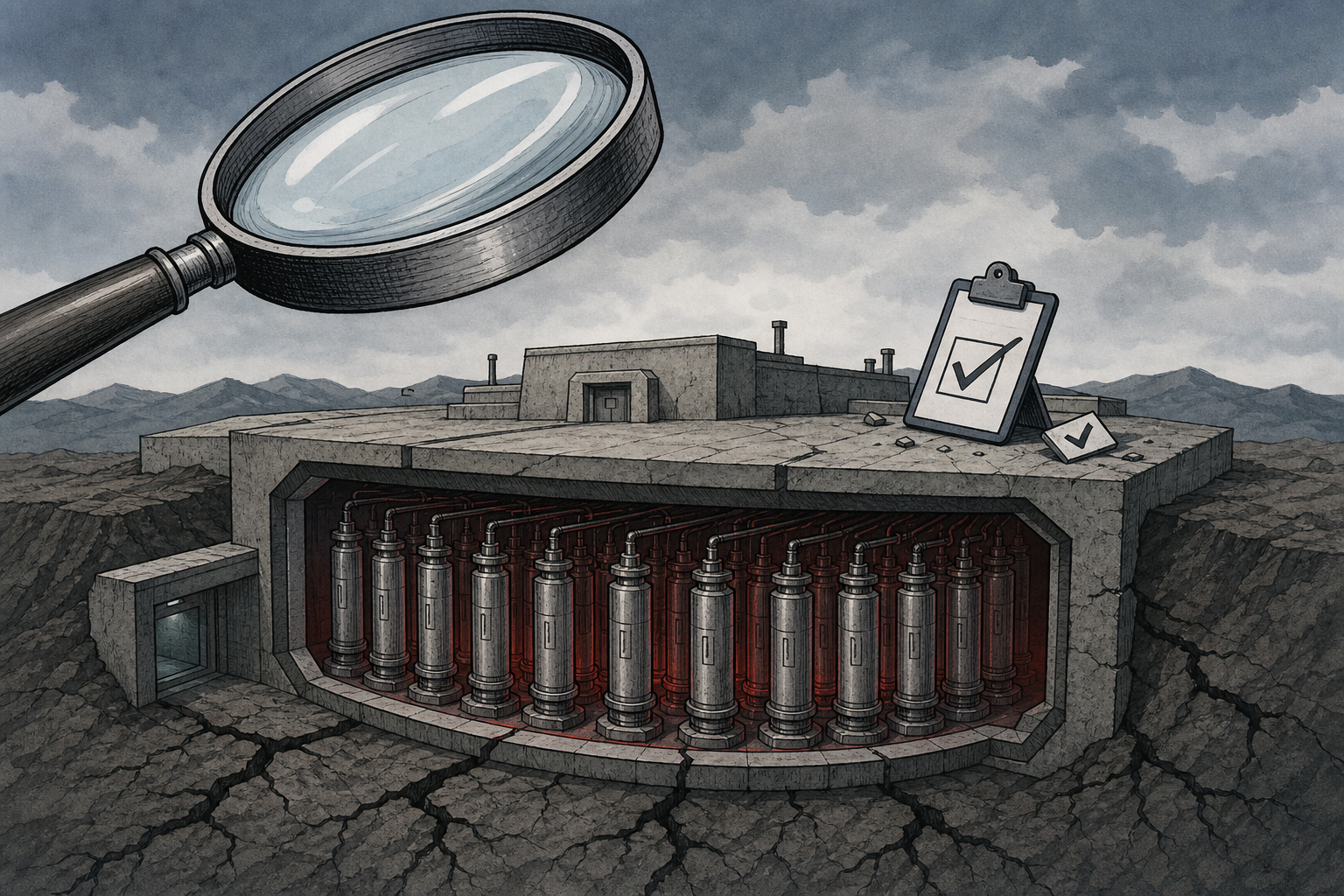
The Israeli response was swift and, unusually, bipartisan. National Security Minister Itamar Ben-Gvir declared the deal does not bind Israel. Defense Minister Israel Katz vowed the IDF “will remain in the security zones in Lebanon, Syria, and Gaza, without any time limit,” and that any Iranian or Hezbollah attack would be met “with full force.” Finance Minister Bezalel Smotrich called the agreement “bad for Israel and for the entire free world.” Even opposition figures — Benny Gantz of National Unity, Yair Golan of The Democrats, and former IDF chief Gadi Eisenkot — condemned it, with Gantz calling any limit on Israel’s freedom of action in Lebanon “a strategic failure.”
“Trump's agreement does not bind us. Israel is not subject to the United States, and we are an independent and sovereign nation. We are not partners to this agreement.”
Itamar Ben-Gvir · Israeli National Security Minister · per Times of Israel · June 15, 2026
For all the fanfare, the framework was only pre-signed digitally on June 15; the formal text remains unpublished as of the June 19 postponement, with no new signing date set. Iran is reportedly circulating its own version of the memorandum, and its officials say the 60-day nuclear talks begin only once the U.S. releases the frozen funds — a sequencing dispute that could unravel the whole thing. The nuclear core — whether Iran may keep enriching, at what level, under what inspections, and what happens to its existing 60% stockpile — is precisely what was left for later. Prime Minister Benjamin Netanyahu said the final deal must include “the removal of enriched material, the dismantling of enrichment infrastructure” and limits on Iran’s missiles and proxies.
The Trump-Netanyahu relationship is itself part of the story. Trump told Axios that Netanyahu has “no f—ing judgment,” while insisting the deal was “still on,” and had earlier said the Israeli leader “won’t have any choice” but to accept it: “I call the shots.” Israeli strikes in Lebanon during the announcement window underscored how fragile the arrangement is.
With the opening of the Strait upon the signing of the Deal on Friday, for purposes of mine removal, oil will flow on both ends again for the Region, and the World! This Great Deal will bring Peace and Security to the whole Region.
Paraphrased commentary · not a verbatim post
If it holds, the deal ends a war and reopens the world’s most important oil chokepoint — a genuine achievement. But three things are true at once: Iran is celebrating, Israel is in open revolt over a Lebanon clause it never agreed to, and the nuclear terms that matter most are still unwritten — with the signing now postponed and no new date set. A peace announced over an ally’s objections, with its hardest questions deferred, is not yet a peace. The next move belongs to the signatures — and to whether Israel decides Washington’s deal really doesn’t bind them.
- 1.Fox News — 'Netanyahu's Israel Grapples With Trump-Iran Deal as Details Remain Unclear,' June 15, 2026
- 2.Fox News — 'Iran's Regime Spins Nuclear and Strait of Hormuz Deal With Trump as Victory Over US, Israel,' June 15, 2026
- 3.Jerusalem Post — "'Trump's Deal Does Not Bind Us': Israeli Leaders Decry Lebanon's Inclusion in US-Iran Deal," June 15, 2026
- 4.Fox News — 'Trump Announces US-Iran Peace Deal, Strait of Hormuz Set to Reopen,' June 14, 2026
- 5.NPR — 'Trump Says There Is a Deal to End the War With Iran,' June 14, 2026
- 6.NBC News — 'U.S. and Iran Reach Framework Deal to End War and Reopen the Strait of Hormuz,' June 14, 2026
- 7.Times of Israel — 'US, Iran Reach Deal to End War, Which Mediator Says Includes Lebanon,' June 14, 2026
- 8.Times of Israel — 'Ministers Say Israel Won't Be Bound by Iran Deal; Katz Vows IDF Stays in South Lebanon,' June 15, 2026
- 9.Axios — 'Trump to Axios: Netanyahu Has No Judgment, but Iran Deal Still On,' June 14, 2026
- 10.RFE/RL — 'Trump Says Iran Deal Now Complete; Blockade to End, Hormuz to Open,' June 14, 2026
- 11.PBS NewsHour — 'Deal Reached to End Iran War; Trump Orders Stop to U.S. Naval Blockade,' June 14, 2026
- 12.Fortune — 'Iran Pushes Differing Versions of Deal as U.S. Sticks to Timeline,' June 14, 2026
- 13.Iran International — 'U.S. Rejects Iranian Claims on Frozen Funds — Axios' (Vance: 'pay-for-performance,' no funds released before Iran performs), June 15, 2026
- 14.Euronews — 'Ships Start to Trickle Through Strait of Hormuz, but Who Will Run It Still in Doubt,' June 16, 2026
- 15.investingLive (Reuters wire) — 'Iranian Tankers Pass Through the Strait of Hormuz as the U.S. Lifts Its Naval Blockade,' June 16, 2026
- 16.NPR — 'U.S. and Iran Announce Initial Deal' (live updates; digital pre-signing, no funds released), June 15, 2026
- 17.Middle East Monitor / Anadolu — 'Switzerland Confirms US-Iran Memorandum Signing Set for Friday at Bürgenstock,' June 16, 2026
- 18.Iran International — 'Lebanon Tensions Cloud Path to Iran-US Talks' (live blog; Swiss foreign ministry says the Friday Bürgenstock talks were cancelled), June 19, 2026
- 19.Reuters (via Investing.com) — 'Iran Deal Includes $300 Billion Fund, More Than Half Already Committed, Source Says,' June 16, 2026
- 20.Argus Media — 'Hormuz Tanker Traffic Unchanged After US-Iran Deal,' June 16, 2026
Last updated June 19, 2026