Britain Outlaws Iran’s Revolutionary Guard
With a Law Built to Fit It, Not the Old One.
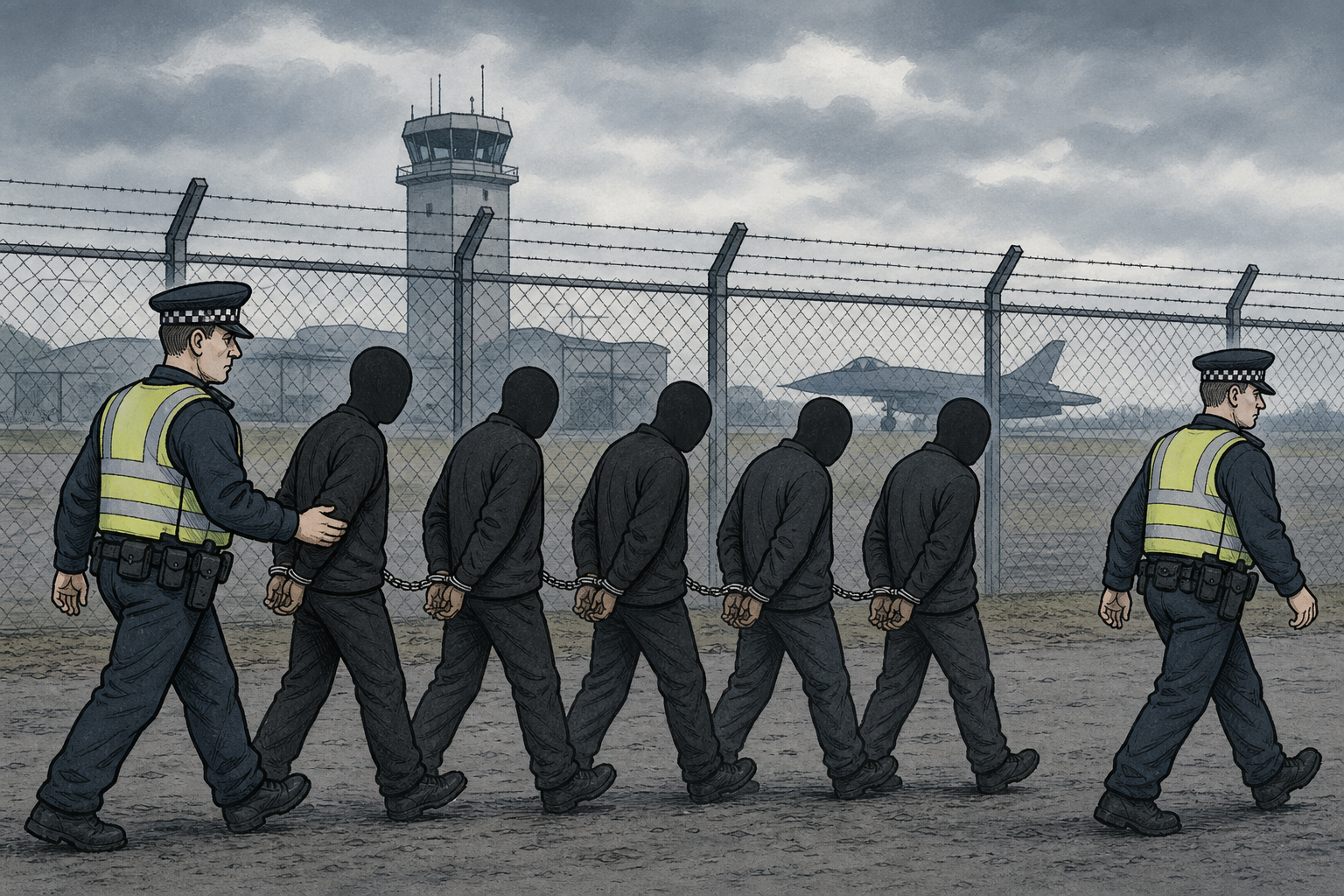
On Monday, July 13, 2026, Britain did what it had spent the first half of the year insisting it would not do. Security Minister Dame Angela Eagle told Parliament the government had designated Iran’s Islamic Revolutionary Guard Corps a threat to UK national security — alongside two other organizations, the Iran-backed proxy network IMCR and Russia’s military intelligence service, the GRU.
It is not, however, the move it resembles in the headlines. Rather than reach for the Terrorism Act 2000 — the decades-old statute Britain has used to proscribe groups like Hamas and ISIS — ministers built an entirely new law, because their own independent reviewer concluded the old one was never designed to outlaw another country’s armed forces.
The reversal followed months of mounting pressure: an arson attack on Jewish charity ambulances in Golders Green, a second attack in Kenton, and a jump in Britain’s official terror threat level to “severe.”
- 14 years — maximum sentence for supporting, assisting, or accepting material benefit from a designated body under the new National Security (State Threats) Act — Source: Israel National News; Al-Monitor
- Life — maximum sentence for sabotage carried out on behalf of a designated body, under the pre-existing National Security Act 2023 offense — Source: Israel National News
- 3 bodies — designated the same day — the IRGC, the Iran-backed proxy IMCR, and Russia's GRU — Source: Al-Monitor; The Jerusalem Post
- 3,700 — antisemitic incidents recorded in the UK in 2025, the second-highest annual total ever logged, up 4% from 2024 — Source: Community Security Trust
- ~£1 million — in damage from the March 23, 2026 arson attack on four Hatzola ambulances at a Golders Green synagogue — Source: NPR
Security Minister Dame Angela Eagle (Labour) did not soften what the IRGC actually is when she delivered the government’s written statement. The designation, she said, rests on a straightforward read of the organization’s role inside the Iranian state.
“The IRGC is a central component of the Iranian state's security apparatus, answerable directly to Iran's Supreme Leader… Its role extends far beyond that of a conventional military force. It encompasses intelligence activity, the use of proxy actors, and the projection of influence designed to advance Iranian state objectives.”
Dame Angela Eagle, Security Minister · written ministerial statement · July 13, 2026
The turnaround is real, not rhetorical. As recently as January 13, 2026, the UK government ruled out designating the IRGC “for now.” That held even as the European Union moved — France, the last EU holdout, fell in line on January 29, and the bloc’s formal designation followed on February 19. Britain, for months, was the visible exception among its closest allies.
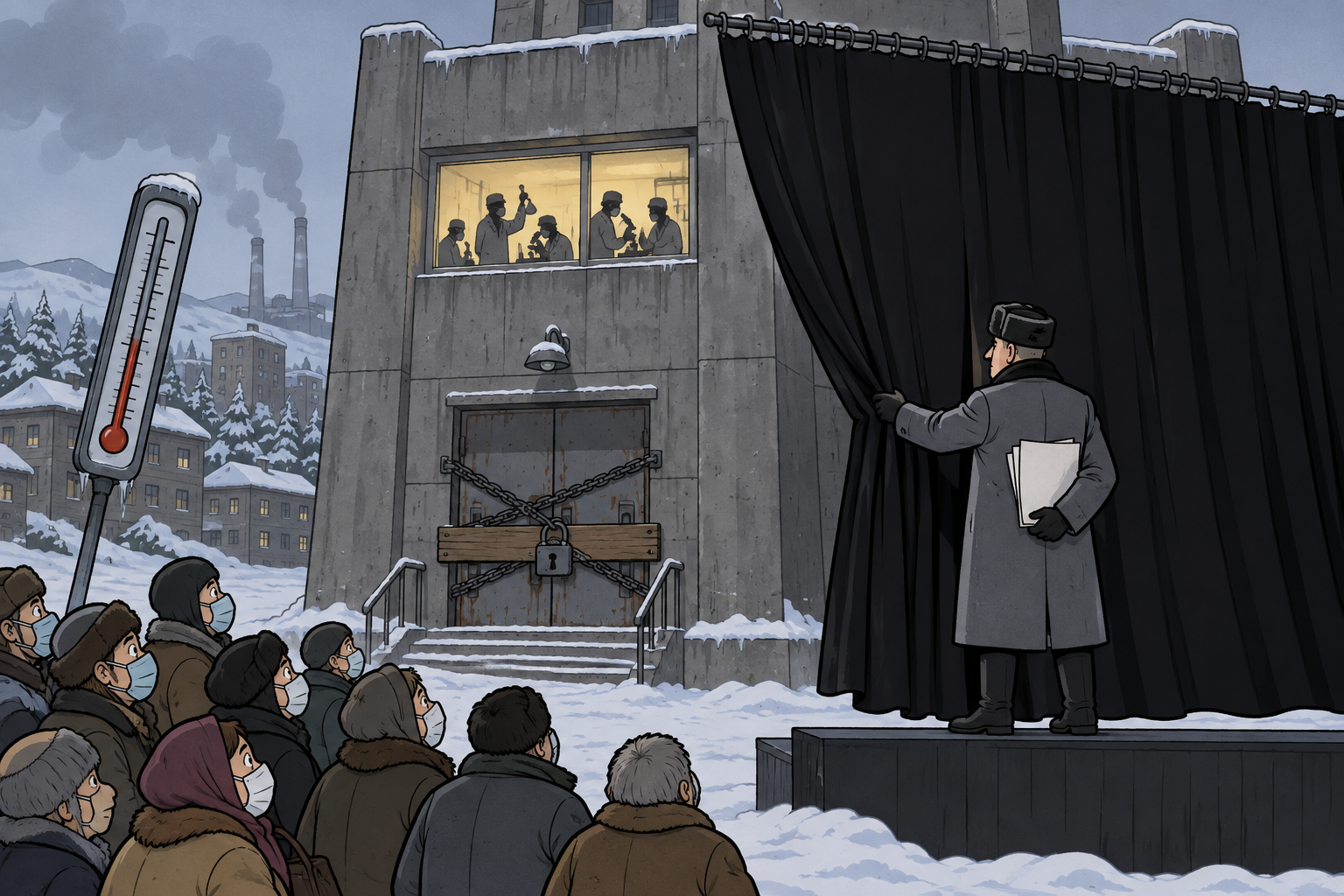
The obvious tool sat unused. Section 3 of the Terrorism Act 2000 is how Britain has proscribed dozens of organizations, including a September 2023 designation of Russia’s Wagner Group. But Wagner is a hybrid paramilitary outfit, not a formal arm of a state’s own military and intelligence apparatus. The IRGC is exactly that — and the government’s independent reviewer of terrorism legislation, Jonathan Hall KC, advised that classic proscription “isn’t appropriate for a foreign state organization.” Business Secretary Peter Kyle (Labour) described that finding plainly earlier this year: Hall “came back and said the idea of proscribing… isn’t appropriate for a foreign state organization.”
So Home Secretary Shabana Mahmood (Labour), with Lord Hanson of Flint (Labour), Minister of State at the Home Office, introduced the National Security (State Threats) Bill on June 9, 2026. It cleared the House of Lords at third reading on July 2 and the Commons cleared the Lords’ amendments — including a humanitarian-activity defense — on July 6. The Act creates a standalone Home Secretary power to “designate” a body engaged in “foreign power threat activity,” separate from, and built alongside, the traditional proscription regime.
“The IRGC poses a dangerous threat here in the UK, which our existing terrorism proscription regime was ill-equipped to deal with as it is a state actor.”
Luke Akehurst, Labour MP for North Durham
The pressure that finally moved Parliament had a body count in property damage, not lives. On March 23, 2026, an arson attack claimed by IMCR destroyed or damaged four Hatzola ambulances at the Machzike Hadath synagogue in Golders Green — roughly £1 million in damage, no injuries, five suspects later charged. On April 18, a second attack hit Kenton United Synagogue. Twelve days after that, on April 30, the UK’s official terror threat level moved from “substantial” to “severe.”
That attack chain sits inside a broader climate: the Community Security Trust recorded 3,700 antisemitic incidents across the UK in 2025, the second-highest annual total it has ever logged. IMCR — which SITE Intelligence Group calls an “Iran-aligned multinational militant collective” and which also claimed synagogue attacks in Belgium and the Netherlands — is not, in the government’s telling, a freelance operation. Eagle told MPs that “sitting behind IMCR were members of Iran’s Islamic Revolutionary Guard Corps Qods Force, who almost certainly directed IMCR attacks across Europe.” The separate October 2, 2025 attack on a Manchester synagogue during Yom Kippur, which killed two people, is not part of this chain — the attacker pledged allegiance to ISIS, with no reported IRGC link — but it deepened the same threat environment that made this July 13 decision politically unavoidable.
The Board of Deputies, representing British Jewry, had for months publicly pressed the government to designate the IRGC as a terrorist organization.
Phil Rosenberg, president of the Board of Deputies, had been one of the loudest voices making that case — not as a government official, but as the community’s elected representative body watching the attack list grow. His organization’s argument was simple: a body that trains, arms, and directs proxies responsible for burning ambulances outside a synagogue does not stop being a threat because it also wears a state uniform.
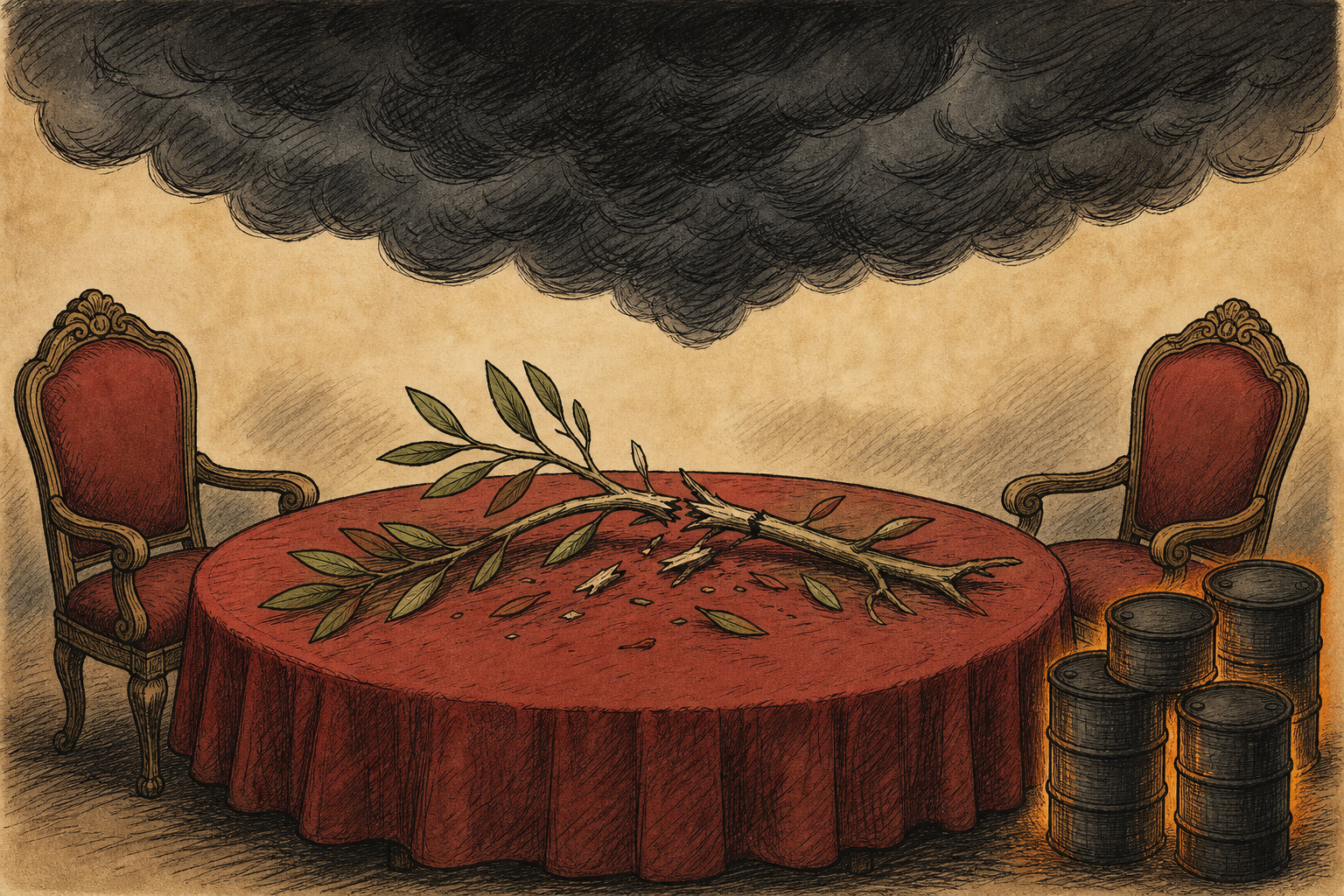
The IRGC did not stand alone on July 13. The same statement designated IMCR and, separately, Russia’s GRU — the military intelligence service tied to sabotage and assassination plots across Europe. That grouping is the clearest signal of what the new Act actually is: not an Iran-specific measure, but a general framework for hostile state activity, built to be reusable against whichever state or state-linked body meets the threshold next.
The penalties are steep and deliberately tiered. Inviting support for a designated body, expressing supportive opinions, assisting its UK-related activities, or accepting a material benefit from it now carries up to 14 years in prison. Sabotage carried out on its behalf triggers the pre-existing National Security Act 2023 offense — up to life imprisonment. Prime Minister Sir Keir Starmer (Labour) framed the point of the new tools directly.
“These new powers will make it easier to prosecute and lock up anyone carrying out their dirty work here in Britain.”
Sir Keir Starmer, Prime Minister
Britain is late to this particular list, not first onto it. The United States designated the IRGC a Foreign Terrorist Organization in April 2019. The European Union followed on February 19, 2026. Canada and Australia had already listed the IRGC before Britain acted. Foreign Secretary Yvette Cooper (Labour) and Starmer both framed July 13 as closing that gap rather than leading it.
The designation is not yet final. Under the new Act, Parliament must formally approve each designation, with a vote expected by roughly July 17, 2026. Assuming that vote passes, prosecutors gain a tool built specifically for a category of case — a foreign state’s own security service operating on British soil — that the old Terrorism Act was never designed to reach. For a government that spent January insisting the old law would have to do, that is a significant concession: the problem wasn’t the will to act, it was the absence of a statute shaped for the target.
After a year of insisting proscription was the wrong tool, Britain built a different one: a bespoke Home Secretary power, created because its own independent reviewer said the IRGC didn’t fit the old statute, and rolled out the same day against Russia’s GRU too. What changed the politics wasn’t doctrine — it was a burned-out ambulance in Golders Green, a second attack in Kenton, and a threat level that had nowhere left to go but up.